
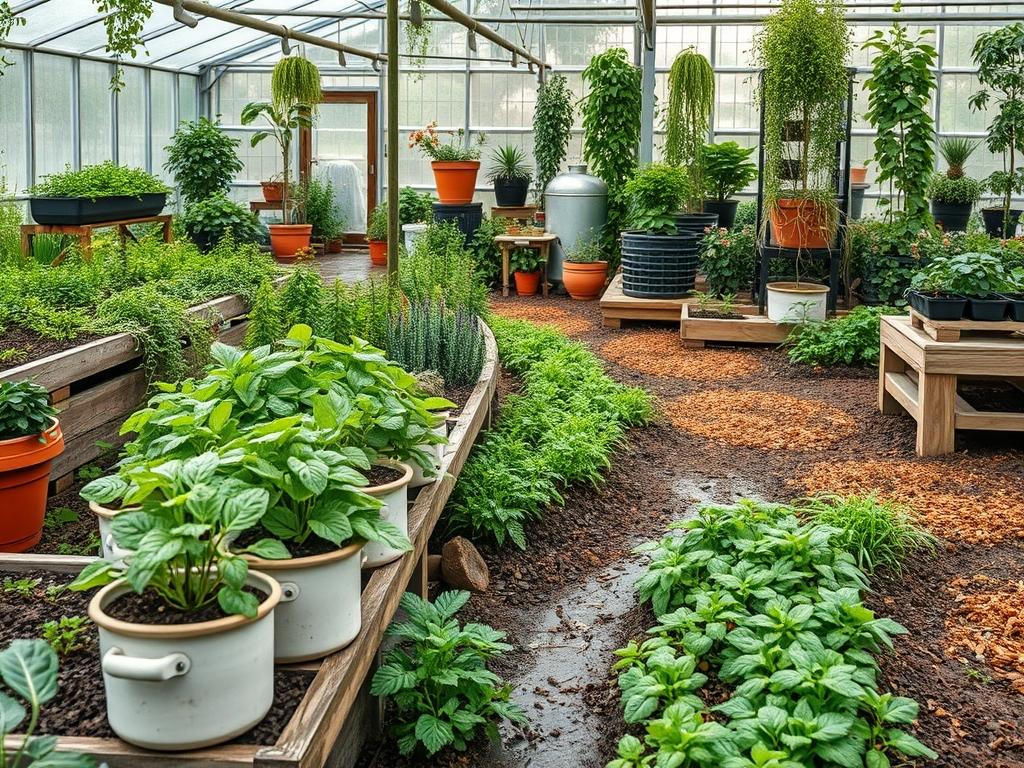
Creating a functional and aesthetic herb garden on a windowsill requires the same meticulous attention to detail as a full scale backyard master plan. Architects and designers view these small spaces as micro-environments where the principles of drainage, light filtration, and soil composition dictate the long term success of the installation. While a traditional garden allows for the natural expansion of root systems into existing subsoil, a windowsill herb garden relies entirely on the quality of a confined substrate. Understanding the technical requirements of the best soil for herbs is the primary step in ensuring these plants thrive within the structural constraints of your home.
The choice of soil impacts more than just plant health; it influences the indoor climate and the overall design aesthetic. When we design outdoor spaces, we consider the grading and the slope to manage water runoff. Inside, the container and the soil must perform these duties in a restricted volume. High quality potting media prevents the stagnation of water, which is the most common cause of failure in indoor horticulture. By selecting a medium that prioritizes aeration and consistent moisture retention, you create a sustainable internal landscape that complements the architecture of your living space.
Landscape Design Principles
Applying landscape design principles to a windowsill ensures that the herb collection looks intentional rather than cluttered. Symmetry plays a vital role in this small scale planning. By using identical Terracotta Pots or Galvanized Steel Troughs, you create a sense of rhythm that leads the eye across the window frame. Focal points can be established by placing a taller, more structural herb like Rosemary in the center, flanked by trailing varieties like Creeping Thyme or Oregano to soften the edges.
Elevation layers are equally important. In a traditional landscape, we use retaining walls and terracing to create visual interest. On a windowsill, you can achieve this by using risers or different pot heights. This allows every plant to receive maximum sunlight while creating a dynamic vertical profile. Irrigation planning on a windowsill is subtly different from outdoor setups. You must account for the lack of natural rainfall and the dry air often found near heating vents. Therefore, the soil must have a high capacity for moisture management without becoming waterlogged. Walkway clearance is another consideration; ensure the containers do not obstruct the function of the window or create moisture damage on the surrounding woodwork or stone sill.
Plant and Material Selection
The following table outlines the specific requirements for common herbs grown in windowsill environments. Choosing the best soil for herbs begins with matching the substrate to the natural habitat of the plant.
| Plant Type | Sun Exposure | Soil Needs | Water Demand | Growth Speed | Maintenance Level |
| :— | :— | :— | :— | :— | :— |
| Basil | Full Sun | Potting Mix | High | Fast | Low |
| Rosemary | Full Sun | Sandy Loam | Low | Slow | Medium |
| Mint | Partial Shade | Loamy Mix | High | Extreme | High |
| Thyme | Full Sun | Gritty Mix | Low | Moderate | Low |
| Chives | Partial Sun | Rich Potting Mix | Moderate | Fast | Low |
| Parsley | Partial Sun | Humus Rich | Moderate | Moderate | Medium |
Implementation Strategy
The process of laying out a windowsill garden involves careful staging. First, ensure the window is structurally sound and can support the weight of several 12-inch pots filled with wet soil. Start by checking the window’s orientation; south facing windows generally provide the 6 to 8 hours of light required for most Mediterranean herbs. If the light is insufficient, you may need to supplement with dedicated grow lights to prevent the plants from becoming leggy and weak.
Proper grading within the pot is achieved by placing a small layer of Pea Gravel or Pumice at the bottom. This creates a reservoir for excess water, keeping the roots from sitting in saturated soil. When adding the best soil for herbs, avoid packing it down too tightly. Soil compaction limits oxygen access to the roots and slows growth. Leave at least 1 inch of space between the soil surface and the rim of the pot to prevent overflow during watering. For edging, consider using polished stones or Decorative Mulch on the soil surface to retain moisture and provide a clean, finished look that mirrors professional outdoor landscaping.
The drainage system is the most critical component of the implementation. Ensure every container has at least one drainage hole. If you are using a decorative outer pot that lacks a hole, use a plastic liner with drainage inside it. This double potting method allows you to remove the inner pot to discard excess water, protecting your interior finishes from water damage and mineral staining.
Common Landscaping Failures
The most frequent mistake in windowsill herb gardening is using garden soil from the backyard. Garden soil is too heavy and often contains pathogens or weed seeds that thrive in a warm indoor environment. In a container, this soil will compact significantly, suffocating the roots and preventing proper drainage. The best soil for herbs is a sterile, peat based or coco coir based potting mix designed specifically for container use. These mixes are engineered to be lightweight and porous.
Root overcrowding is another issue that mirrors problems found in poorly planned outdoor landscapes. When herbs like Mint are placed in small containers, their aggressive root systems quickly fill the space, leading to a “root bound” state where the plant can no longer absorb nutrients efficiently. Proper spacing and regular repotting are necessary to maintain vigor. Furthermore, irrigation inefficiencies often result from inconsistent watering schedules. In the winter, the humidity in homes drops, causing soil to dry out faster than expected. Conversely, overwatering in the absence of high heat can lead to root rot, characterized by yellowing leaves and a distinct sour smell from the soil.
Seasonal Maintenance
Landscape management does not stop just because the garden is indoors. During the spring, herbs experience a flush of new growth. This is the ideal time to apply a balanced Organic Liquid Fertilizer at half strength. Pruning is essential during this peak season to encourage bushier growth and prevent the plants from flowering, which can turn the leaves bitter.
In the summer, the intensity of the sun through the glass can actually scorch delicate herbs like Cilantro or Parsley. You may need to move the pots back from the glass or provide a light sheer curtain to diffuse the heat. Autumn is the time for transition. If you have kept any herbs outdoors during the warmer months, they must be acclimated to the lower light levels of the indoors gradually. Check for pests like Aphids or Spider Mites before bringing any material inside to prevent an infestation.
Winter maintenance requires a reduction in watering and fertilization. Plants grow much slower during the shorter days, and their metabolic needs decrease. Ensure that the pots are not touched by the cold glass, which can freeze the foliage. If you notice the soil surface developing a white crust, it is a sign of mineral buildup from tap water. Simply scrape off the top layer and replace it with fresh Potting Mix to revitalize the environment.
Professional Landscaping FAQ
What defines the best soil for herbs in small containers?
The ideal medium is a lightweight, sterile potting mix containing Perlite or Vermiculite. These ingredients ensure high porosity and prevent compaction, which is vital for root respiration in the limited oxygen environment of a windowsill pot.
Should I use gravel at the bottom of my herb pots?
While a thin layer of Pea Gravel helps prevent soil from washing out of drainage holes, it does not replace the need for a well draining soil mix. Its primary function is to facilitate the movement of excess water away from the roots.
How often should I replace the soil in my windowsill garden?
For optimal plant health, replace the top 2 inches of soil every six months. A full soil replacement is recommended every year or whenever a plant outgrows its container to replenish nutrients and maintain a healthy soil structure.
Can I mix my own herb soil at home?
Yes, a professional grade mix can be made by combining two parts Peat Moss or Coco Coir, one part Perlite, and one part Coarse Sand. This blend provides the perfect balance of moisture retention and rapid drainage.
Why are my herbs turning yellow despite regular watering?
Yellowing is often a sign of overwatering or poor drainage. If the soil stays damp for too long, it excludes oxygen from the roots. Ensure your containers have drainage holes and use a soil mix that feels light and airy.