
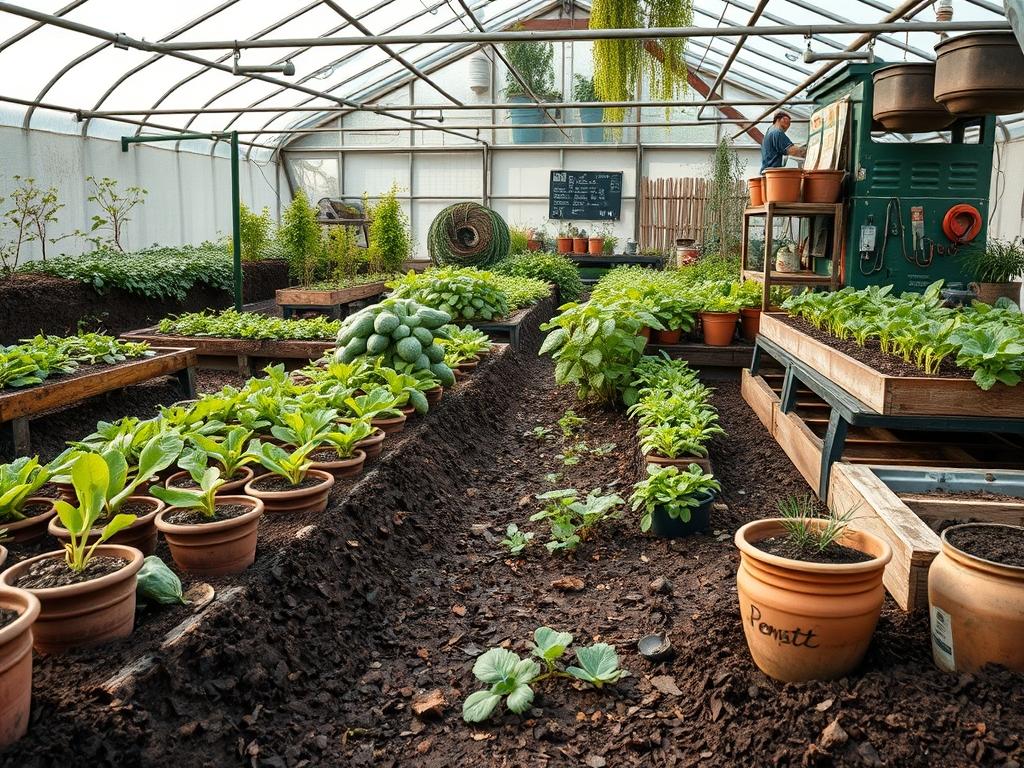
Maintaining a high performance landscape requires more than just an artistic eye; it demands a rigorous understanding of the biological systems that support your outdoor environment. As a senior landscape architect, I look at soil not just as dirt, but as the foundational engineering layer for every project. When clients ask about site hygiene and nutrient management, the conversation often turns to the sustainability of their waste cycles. While recycling nutrients back into the land is a noble goal, a critical distinction must be made regarding the materials introduced to a residential or commercial garden. The decision to avoid Composting Meat and Dairy is not merely a preference; it is a strategic choice to preserve the integrity of the soil structure, the health of the plant life, and the sensory experience of the outdoor living space. A beautiful yard relies on a delicate balance of aesthetics and functionality. Integrating unstable organic matter into your subsoil or surface amendments can lead to a cascade of maintenance failures that compromise curb appeal and long term property value.
The primary challenge in any landscape design is managing the transition from the built environment to the natural one. We strive for a seamless integration of retaining walls, natural stone pavers, and lush greenery. However, if the nutrient cycle on the property becomes a source of odors or pest infestations, the functionality of that space is lost. Professional landscaping aims to create an inviting atmosphere; but the rancidity associated with decaying animal proteins can quickly turn a high end patio area into a zone people avoid. Furthermore, the oily nature of dairy products and the complex proteins in meat do not break down with the same efficiency as cellulose and lignin found in plant waste. In a professional setting, we prioritize predictability and stability. Introducing meat and dairy into your outdoor nutrient management plan creates volatility that most residential systems are simply not equipped to handle.
Landscape Design Principles
Successful landscape architecture depends on the harmonious application of several core principles, starting with symmetry and visual balance. When we design a garden, we establish focal points such as a specimen tree or a custom water feature to draw the eye. These elements are supported by elevation layers that provide depth and interest. For these layers to thrive, the soil must be consistently healthy and well aerated. When meat and dairy are introduced into the soil or a nearby compost pile, they can cause localized anaerobic conditions. This lack of oxygen disrupts the root zones of nearby plants, leading to uneven growth and a lack of symmetry that can ruin the intended aesthetic of the design.
We also focus heavily on irrigation planning and walkways. A well designed path guides visitors through the landscape, offering different perspectives of the garden. If you have a compost area integrated near these paths, it must be discreet and odorless. Meat and dairy decomposition frequently produces a pungent sulfuric aroma that permeates the air, especially in the heat of summer. This contradicts the goal of creating a pleasant outdoor sanctuary. From a design perspective, we also consider the wildlife. Professional landscapes should attract beneficial pollinators, not scavengers. Animal waste products act as a beacon for rodents and larger predators, which can physically damage the landscape fabric, small plants, and irrigation lines while they forage.
Plant and Material Selection
Choosing the right materials is a technical exercise in matching biology to the environment. The following table outlines several common plants used in professional landscaping that require high quality, stable soil conditions to reach their full potential.
| Plant Type | Sun Exposure | Soil Needs | Water Demand | Growth Speed | Maintenance Level |
| :— | :— | :— | :— | :— | :— |
| White Oak | Full Sun | Deep, Loamy | Moderate | Slow | Low |
| Lavender | Full Sun | Well Draining | Low | Medium | Moderate |
| River Birch | Part Shade | Moist, Acidic | High | Fast | Moderate |
| Boxwood | Part Sun | Rich, Neutral | Moderate | Slow | High |
| Switchgrass | Full Sun | Any | Low | Fast | Low |
The plants listed above, particularly those with sensitive root systems like the Boxwood, are highly susceptible to changes in soil chemistry. The high salt content often found in processed meats and the fats found in dairy can coat soil particles, preventing the efficient exchange of water and nutrients. When we select mulch or organic amendments for a project, we look for materials that promote a steady, aerobic breakdown to ensure these plants remain vibrant and healthy throughout the growing season.
Implementation Strategy
Planning a garden layout requires a step by step approach that begins with grading and drainage. Proper grading involves shaping the land to move water away from the house and into designated collection areas or rain gardens. Once the land is shaped, we focus on edging and defines the transitions between lawn and garden beds. During this phase, the preparation of the soil is paramount. If you are amending your soil with home processed compost, it must be fully cured.
The first step in site preparation is to ensure the subsoil is broken up to prevent soil compaction. Next, we apply a layer of high quality organic matter. This is where Composting Meat and Dairy becomes a liability. These items take much longer to decompose than vegetable scraps or yard waste. If they are buried in the garden beds during the implementation phase, they can create pockets of decay that attract tunneling pests like moles or rats. These pests can undermine the stability of your hardscaping and create unsightly holes in your lawn.
The third step is the application of mulch. A depth of 3 inches is typically recommended to suppress weeds and retain moisture. However, if the underlying soil contains meat or dairy waste, the mulch can trap the heat of the decaying proteins, leading to a buildup of harmful bacteria. To ensure a professional finish, stick to plant based amendments such as leaf mold, composted manure from herbivores, or wood chips. This ensures that the drainage systems remain clear and that the water percolating through the soil does not carry pathogens into the local groundwater.
Common Landscaping Failures
One of the most frequent failures in amateur landscaping is poor drainage. When water sits in the soil for too long, it drowns the roots. This issue is exacerbated when fats from dairy products clog the macropores of the soil. Once these pores are sealed, the soil becomes hydrophobic or excessively soggy, leading to root rot. We also see many issues with root overcrowding. When plants are spaced too closely, they compete for nutrients. If the soil quality is inconsistent because of improper composting practices, the competition becomes even more fierce, leading to the death of the weaker specimens.
Another common mistake is the failure to account for soil compaction during the construction of retaining walls and walkways. Heavy foot traffic or machinery can pack the soil so tightly that nothing can grow. If you then add uncomposted meat or dairy to this environment, the lack of oxygen ensures that those materials will putrefy rather than decompose. This creates a toxic environment for any nearby vegetation. Proper irrigation inefficiencies also play a role; if a system is overwatering a spot where meat waste is present, the runoff can become a biohazard, potentially impacting the health of pets and residents.
Seasonal Maintenance
Landscape management is a year round commitment. In the Spring, the focus is on awakening the garden. This involves clearing debris, testing the soil pH, and applying the first round of balanced fertilizer. This is also the time to inspect your irrigation heads for winter damage. If you have been maintaining a compost pile over the winter, ensure it is turned frequently to promote aerobic activity.
During the Summer, the priority shifts to water management and weed control. High temperatures can accelerate the decomposition of any organic matter. If you have mistakenly included meat or dairy in your garden, the summer heat will magnify the odor and pest issues. Ensure your mulch layers are intact to protect the surface roots from the midday sun.
In the Autumn, we prepare the plants for dormancy. This is the best time for planting new trees and shrubs, as the cooler air and warm soil encourage root growth. Removing fallen leaves is essential, but they should be composted separately from any food waste to ensure a clean source of leaf mold for the following year.
The Winter is a period of protection. We use heavy mulch and sometimes burlap wraps to shield sensitive species from the wind and frost. This is also the time to plan for the next year, reviewing what worked and what didn’t in your nutrient management strategy. A clean, well maintained landscape should be a quiet, resting ecosystem during the winter months, free from the disturbances of scavenging animals.
Professional Landscaping FAQ
Why does meat attract pests to my garden beds?
Meat undergoes putrefaction, releasing strong odors that can be detected from great distances by scavengers. Raccoons, rats, and stray cats are naturally drawn to these scents, leading to dug up plants and disrupted mulch layers in your carefully designed space.
Can dairy products affect the pH of my soil?
Yes, as dairy products break down, they can temporarily create highly acidic conditions. This shift can be detrimental to plants that prefer neutral or alkaline environments, potentially causing yellowing leaves and stunted growth in your ornamental beds.
What is the best way to handle kitchen scraps for a landscape?
Stick to vegetable peelings, coffee grounds, and eggshells. These materials break down quickly and safely, providing a steady stream of nitrogen and carbon without the risk of pathogens or odors associated with Composting Meat and Dairy.
Does meat waste interfere with professional irrigation systems?
Indirectly, yes. Meat waste attracts burrowing animals that often chew through irrigation lines or move soil into drainage grates. This leads to costly repairs and can disrupt the automated watering schedules essential for landscape health.
How long does it take for animal products to fully decompose?
In a standard backyard environment, meat and dairy can take months or even years to fully break down. Unlike green waste, they require specific thermophilic temperatures that most residential piles never reach, leading to a messy and slow process.