
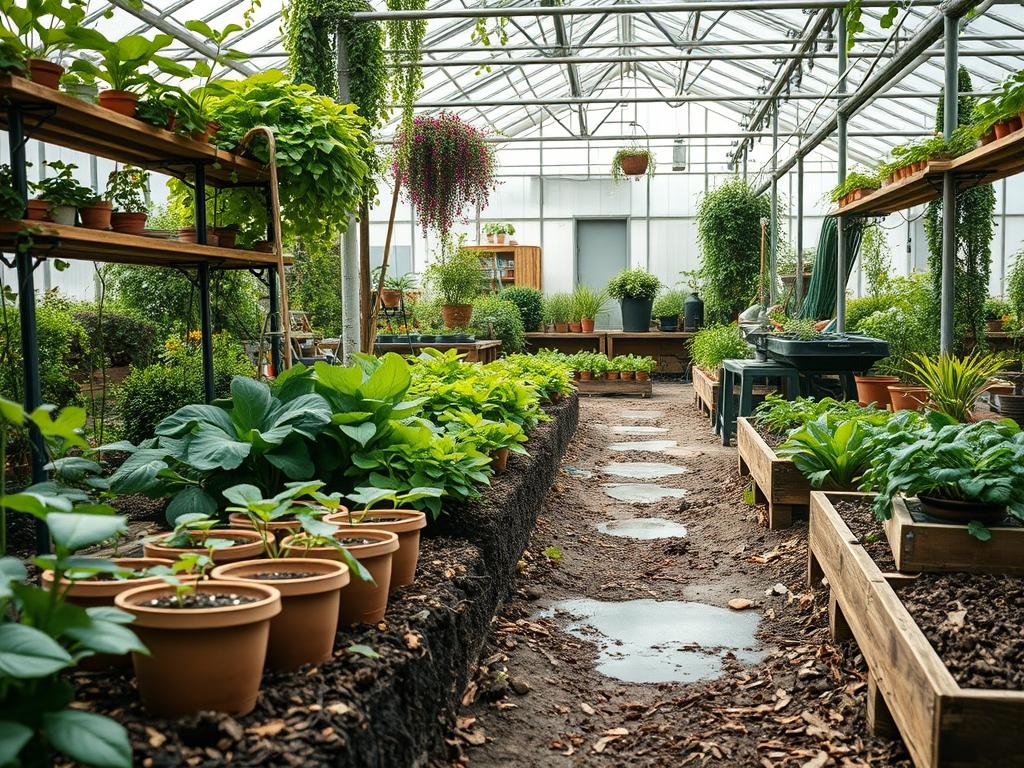
The health of a high-end landscape is often determined by factors the naked eye cannot see. While homeowners usually focus on the lush green of a lawn or the vibrant hues of a flower bed, the professional architect looks downward into the structural integrity of the earth. Improving soil porosity is the single most critical intervention for ensuring long term plant health, effective drainage, and the overall functionality of an outdoor environment. Porosity refers to the volume of void spaces within the soil profile. These voids are the conduits for life; they hold the oxygen that roots breathe and the water that carries essential nutrients. Without adequate porosity, even the most expensive horticultural specimens will eventually succumb to root rot, nutrient lockout, or stunted growth. A landscape with poor soil structure suffers from standing water and compaction, which ultimately diminishes curb appeal and creates unusable, muddy zones in what should be a functional living space.
Achieving superior soil structure requires a sophisticated understanding of how air, water, and mineral particles interact. In many modern residential developments, the native soil has been heavily compacted by heavy machinery during the construction phase. This leaves the landscape with a density similar to concrete, where pore space is nearly non-existent. Our goal as consultants is to restore the natural architecture of the ground by introducing organic amendments and mechanical interventions. By increasing the ratio of macropores for drainage and micropores for water retention, we create a resilient ecosystem that can withstand both heavy rainfall and periods of drought. This guide explores the systematic approach to transforming dense, anaerobic earth into a thriving, porous medium that supports a prestigious outdoor aesthetic.
Landscape Design Principles
Successful landscape design is built upon the synthesis of aesthetics and engineering. When planning a site, we must consider how the porosity of the soil dictates the placement of various design elements. Symmetry and visual balance are not just about the placement of Statues or Evergreens; they are governed by the underlying ability of the land to support those features. A symmetrical row of Italian Cypresses will quickly become an eyesore if one side of the drive has higher soil compaction than the other. This leads to uneven growth rates and visible decline in the affected trees. We use focal points to draw the eye, but these plants must be seated in “islands” of highly porous, amended soil to ensure they reach their full majestic potential.
Elevation layers play a vital role in managing water movement and protecting the root zones of sensitive species. By utilizing Retaining Walls and terraced planting beds, we can manipulate the gravitational pull on groundwater. In areas with high clay content, we design elevation changes that allow excess moisture to migrate away from the primary root balls. This is where the marriage of hardscaping and softscaping becomes apparent. A well-designed Walkway or Patio should never exist in isolation. It must be integrated with a drainage plan that includes Perforated Pipes and Gravel-filled Trenches to prevent runoff from saturating nearby planting zones. Visual balance is maintained when the hard surfaces and the living elements share a cohesive relationship with the water cycle of the site.
Irrigation planning must also be calibrated to the specific porosity of the soil. Highly porous, sandy soils require shorter, more frequent watering cycles to prevent leaching, whereas amended loam can hold moisture for longer durations. We utilize Digital Soil Moisture Sensors to monitor these levels in real-time. By understanding the infiltration rate, which is the speed at which water enters the soil pores, we can prevent topsoil erosion and ensure that every drop is utilized by the vegetation rather than lost to evaporation or surface runoff.
Plant and Material Selection
Selecting the right materials is a balancing act between the desired aesthetic and the biological requirements of the species. The following table outlines several popular choices and their relationship to soil and environment.
| Plant Type | Sun Exposure | Soil Needs | Water Demand | Growth Speed | Maintenance Level |
| :— | :— | :— | :— | :— | :— |
| Dwarf English Boxwood | Full Sun to Part Shade | Loamy, High Porosity | Moderate | Slow | Medium |
| French Lavender | Full Sun | Sandy, Gritty, Porous | Low | Medium | High |
| River Birch | Full Sun to Part Shade | Moist, Well-drained | High | Fast | Low |
| Japanese Forest Grass | Part Shade to Full Shade | Rich, Organic Loam | Moderate | Slow | Low |
| Blue Star Creeper | Full Sun to Part Shade | Porous, Light Soil | Moderate | Fast | Medium |
Beyond the plants themselves, the materials we use for soil amendment are crucial. We often specify Expanded Shale, Horticultural Perlite, or Coarse Builder’s Sand to physically wedge open the soil structure. These inorganic materials do not break down over time, providing a permanent solution to compaction. For organic enrichment, we rely on Screened Leaf Mold or Composted Manure, which introduce beneficial microbes that further improve soil aggregation.
Implementation Strategy
The transition from a conceptual plan to a physical reality begins with a thorough site analysis. We start by measuring the current compaction levels using a Penetrometer. Once the problem areas are identified, the implementation begins with grading. Proper grading ensures that the land slopes away from the foundation of the home at a minimum of 2 percent. This prevents the “ponding” effect that can drown root systems and compromise the soil structure.
Next, we address the soil depth. For a standard lawn, we require at least 6 inches of porous topsoil, while large trees may require a depth of 3 feet or more of amended material. We use a Rear-tine Tiller to incorporate amendments deeply into the subsoil, rather than just scratching the surface. This prevents the formation of a “clay pan,” a hard layer that traps water and stops roots from penetrating deeper into the earth. Once the soil is tilled and amended, we install the Edging to define the beds and keep the porous soil from migrating into the turf areas.
Hardscaping elements, such as Paver Stones or Decomposed Granite Paths, are installed with a base of Crushed Limestone or Clean Gravel. This ensures that the areas under our walkways remain stable while still allowing some degree of water infiltration. Finally, we apply a layer of Double-ground Hardwood Mulch at a depth of 3 inches. This mulch serves as a protective blanket, preventing the surface of the porous soil from crusting over due to sun exposure or heavy raindrop impact.
Common Landscaping Failures
The most frequent failure we see in residential landscapes is the “bathtub effect.” This occurs when a hole is dug into heavy clay and filled with light, porous potting soil. The hole acts as a basin, trapping water that cannot escape through the surrounding clay walls, effectively drowning the plant. To avoid this, the entire planting area must be amended, or a transition zone must be created between the planting hole and the native soil.
Another common mistake is the use of heavy equipment over finished garden beds. Even a few passes with a Skid-steer can undo months of soil preparation. We mandate “no-drive” zones once the soil has been aerated and amended. Additionally, improper spacing often leads to root overcrowding. When plants are placed too close together, their roots compete for the limited pore space, leading to a decline in vigor for the entire group. Finally, irrigation inefficiency, such as over-watering in low-porosity zones, creates an anaerobic environment where pathogens like Phytophthora thrive.
Seasonal Maintenance
Landscape management is a year round commitment that changes with the weather. In the spring, the focus is on aeration. We use a Core Aerator to remove small plugs of soil from the lawn, which immediately increases porosity and allows oxygen to reach the roots as they wake from dormancy. This is also the time to refresh the mulch and check for any drainage blockages caused by winter debris.
Summer maintenance involves monitoring the “thirst” of the soil. As temperatures rise, the water in the soil pores evaporates more quickly. We may apply Wetting Agents to hydrophobic soils to ensure that water can still penetrate the surface. In autumn, the primary task is the removal of heavy leaf fall. If left on the ground, a thick mat of leaves can suffocate the soil, reducing gas exchange and killing the beneficial fungi that maintain soil porosity. During the winter, we focus on erosion control. We ensure that all bare soil is covered with Pine Straw or Burlap Matting to prevent winter rains from washing away the valuable, porous topsoil we have worked so hard to build.
Professional Landscaping FAQ
How can I tell if my soil is compacted?
Perform a simple percolation test. Dig a hole 12 inches deep and fill it with water. If the water does not drain completely within 24 hours, your soil porosity is too low and requires immediate structural amendment or mechanical aeration.
Is sand the best way to improve clay soil?
No, adding small amounts of sand to clay can actually create a texture similar to concrete. Instead, use bulky organic matter like Compost or inorganic conditioners like Expanded Shale to create lasting pore space and improve the internal drainage.
Why are my plants turning yellow in the spring?
This is often a sign of “wet feet” caused by poor soil porosity. When roots sit in stagnant water, they cannot take up oxygen or nitrogen. Improving the drainage and increasing soil voids will typically resolve this chlorosis issue.
Can mulch improve soil porosity over time?
Yes, as organic mulch decomposes, it invites earthworms and microbes into the soil. These organisms create tiny tunnels and excrete “glues” that bind soil particles into crumbs, naturally increasing the overall porosity and health of the root zone.
Do I need an underground drainage system?
If your landscape has low elevation spots where water naturally collects, a French Drain or Sump Pump may be necessary. These systems work alongside porous soil to move large volumes of water away from the property during heavy storms.