
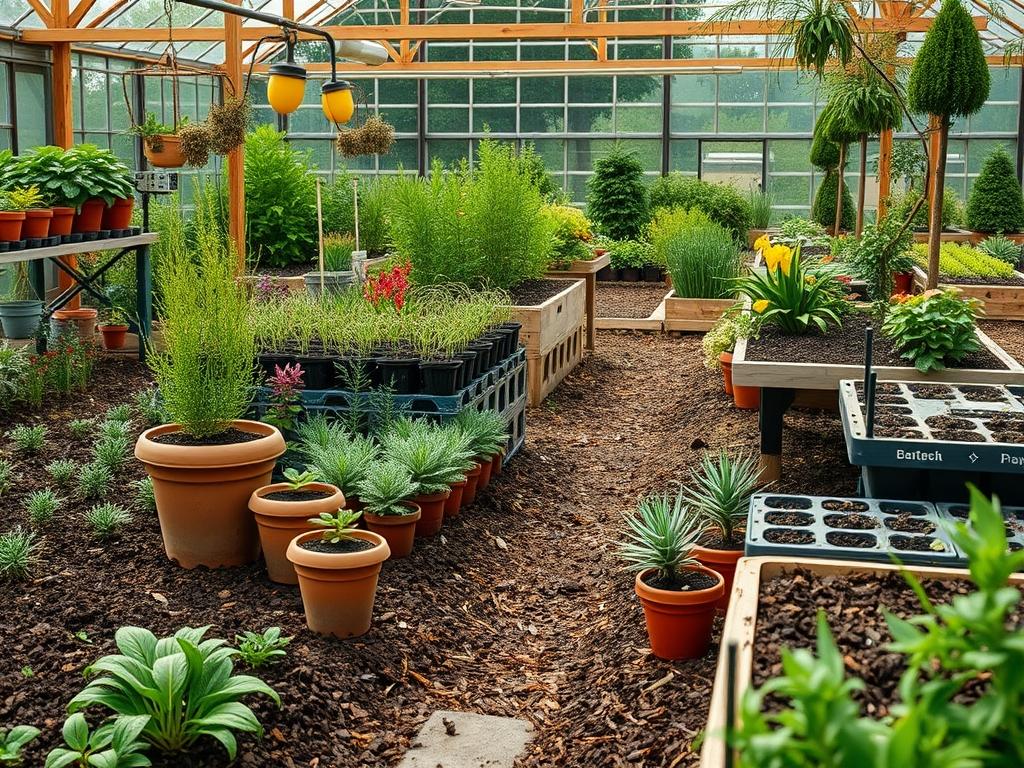
Selecting the right ground cover for a productive berry patch involves more than simple aesthetics; it requires an understanding of soil chemistry, moisture retention, and the specific physiological needs of acid-loving shrubs. Many homeowners struggle with the transition between a functional edible garden and a high-end landscape design. The result is often an unsightly patch of weeds or a mud-prone area that detracts from the home’s overall curb appeal. By utilizing Pine Needle Mulch, also known as Pine Straw, landscape architects can solve several environmental challenges simultaneously. This material provides a sophisticated, tawny texture that complements both modern and rustic outdoor living spaces while fostering an ideal subterranean environment for fruit production. Climate considerations are also paramount. In regions with heavy rainfall, traditional wood chips can float away or become a soggy mass that invites fungal pathogens. In contrast, the interlocking structure of needles stays in place on graded slopes and allows for superior gaseous exchange between the atmosphere and the root zone.
Landscape Design Principles
Effective garden planning requires a balance of form and function. When integrating a berry patch into a larger landscape, symmetry and focal points serve to anchor the space. Consider placing taller Highbush Blueberries as a transitional hedge between a formal lawn and a wooded perimeter. Using Pine Needle Mulch in these areas creates a visual bridge, as the fine texture mimics the natural shedding of coniferous trees often found in residential windbreaks. Elevation layers are critical; by mounding the soil and topping it with a 3 inch layer of needles, you create a sense of depth and intentionality that flat beds lack.
Irrigation planning must be integrated into the initial design phase. Drip Irrigation lines can be easily concealed beneath the light, airy layer of Pine Straw, ensuring that water reaches the roots without promoting leaf rot. Walkways should be clearly defined to prevent soil compaction near the delicate root systems of Raspberries or Blackberries. Using Flagstone or Decomposed Granite for paths provides a structural contrast to the soft, copper hues of the needles. This visual balance between hardscaping and softscaping defines a professional-grade outdoor environment, transforming a simple fruit garden into a curated landscape feature.
Plant and Material Selection
| Plant Type | Sun Exposure | Soil Needs | Water Demand | Growth Speed | Maintenance Level |
| :— | :— | :— | :— | :— | :— |
| Blueberries | Full Sun | pH 4.5 to 5.5 | Moderate/High | Moderate | Medium |
| Raspberries | Full Sun/Part Shade | Loamy, Well-Drained | Moderate | Fast | High |
| Strawberries | Full Sun | Rich, Organic | Moderate | Fast | Medium |
| Blackberries | Full Sun | Deep, Sandy Loam | Moderate | Fast | High |
| Elderberries | Full Sun/Part Shade | Moist, Fertile | High | Very Fast | Low |
Implementation Strategy
A successful berry patch begins with proper site preparation. Grading the area is the first step; ensure the land slopes away from house foundations and social areas to prevent standing water. Once the grade is established, use a Garden Hoe or Power Tiller to incorporate organic matter into the top 10 inches of soil. For berries, increasing acidity is often necessary. Mixing in elemental sulfur alongside the initial planting can help reach the desired pH levels.
Install your Steel Edging or Pressure-Treated Timber borders next to create a clean break between the lawn and the mulch bed. This prevents invasive grass species from creeping into the berries. When planting, space your shrubs according to their mature width to avoid future overcrowding. After the plants are in the ground, apply the Pine Needle Mulch to a depth of at least 3 inches. This thickness is the industry standard for effective weed suppression and moisture insulation. Unlike heavy bark mulches, pine needles do not require a Rake for constant smoothing; their natural tendency to interlock keeps the surface level and resistant to wind displacement. Finally, ensure the mulch is pulled back about 2 inches from the main stem of each plant to prevent crown rot and rodent nesting.
Common Landscaping Failures
One of the most frequent mistakes in edible landscaping is poor drainage. Berries, particularly Blueberries, have shallow, fibrous roots that easily succumb to root rot if the soil remains saturated. Over-mulching with heavy, non-porous materials like plastic landscape fabric or thick layers of dyed wood chips can suffocate the soil and trap too much moisture. Soil compaction is another silent killer. High-traffic areas without designated walkways lead to crushed soil pores, which limits the oxygen available to the roots.
Improper spacing is a common oversight that leads to poor air circulation. When plants are jammed together to create an “instant” full look, they become breeding grounds for powdery mildew and botrytis fruit rot. Furthermore, irrigation inefficiencies often plague DIY projects. Overhead sprinkling can wash away the light needles and promote disease on the foliage. A professional approach always favors Soaker Hoses or Drip Emitters tucked under the mulch layer. Lastly, failing to account for the settling of organic mulch can leave the soil exposed within a single season. Designers must plan for the gradual decomposition of the needles, which actually benefits the plants by slowly lowering the soil pH and adding nitrogen.
Seasonal Maintenance
Managing a landscape is a year-round commitment. In the spring, the primary focus is on replenishment and fertilization. As the previous year’s Pine Straw decomposes, add a fresh 1 inch layer to maintain the protective barrier. This is also the time to apply acid-toning fertilizers directly over the mulch, as the porous needles allow nutrients to filter down easily. Summer maintenance centers on water management. During heat waves, check the moisture level beneath the needles. You will find that the soil stays significantly cooler and wetter than exposed earth, which reduces the frequency of necessary irrigation.
In the autumn, focus on sanitation. Remove any fallen fruit or diseased leaves that have settled among the needles to prevent pests from overwintering. While some gardeners prefer to remove old mulch, it is often better to leave it as a base layer for winter protection. Winter management involves “tucking in” the plants. In colder climates, adding an extra 2 inches of Pine Needle Mulch around the base of the plants can insulate the roots against freeze-thaw cycles. This prevents the soil from heaving, which can expose and damage sensitive roots. By following this seasonal rhythm, the landscape remains both productive and visually striking throughout the year.
Professional Landscaping FAQ
How often should I replace pine needle mulch?
You should top off the beds with a fresh layer every year. Total replacement is unnecessary; the bottom layers decompose and enrich the soil with organic matter. Aim to maintain a consistent 3 inch depth for maximum weed control.
Will pine needles make my soil too acidic for other plants?
Pine needles are slightly acidic when they fall, but their effect on soil pH is gradual and localized. They are perfect for berries, but if used near alkaline-loving plants, the impact is minimal and easily managed with lime.
Is pine straw a fire hazard in residential landscapes?
While dry needles are flammable, they are generally considered safe when maintained properly. In fire-prone areas, keep mulch beds at least 5 feet away from the home siding and ensure the needles stay hydrated through your irrigation system.
Does pine needle mulch attract termites or other pests?
Actually, pine needles are less attractive to termites than thick wood chunks because they do not retain the same type of woody moisture. They provide a habitat for beneficial spiders and ground beetles that help control garden pests.
Can I use pine needles from my own trees?
Yes, if you have White Pine or Loblolly Pine on your property, you can harvest the needles. Ensure they are free from herbicides and pests before spreading them in your berry patch to maintain a clean, organic growing environment.