
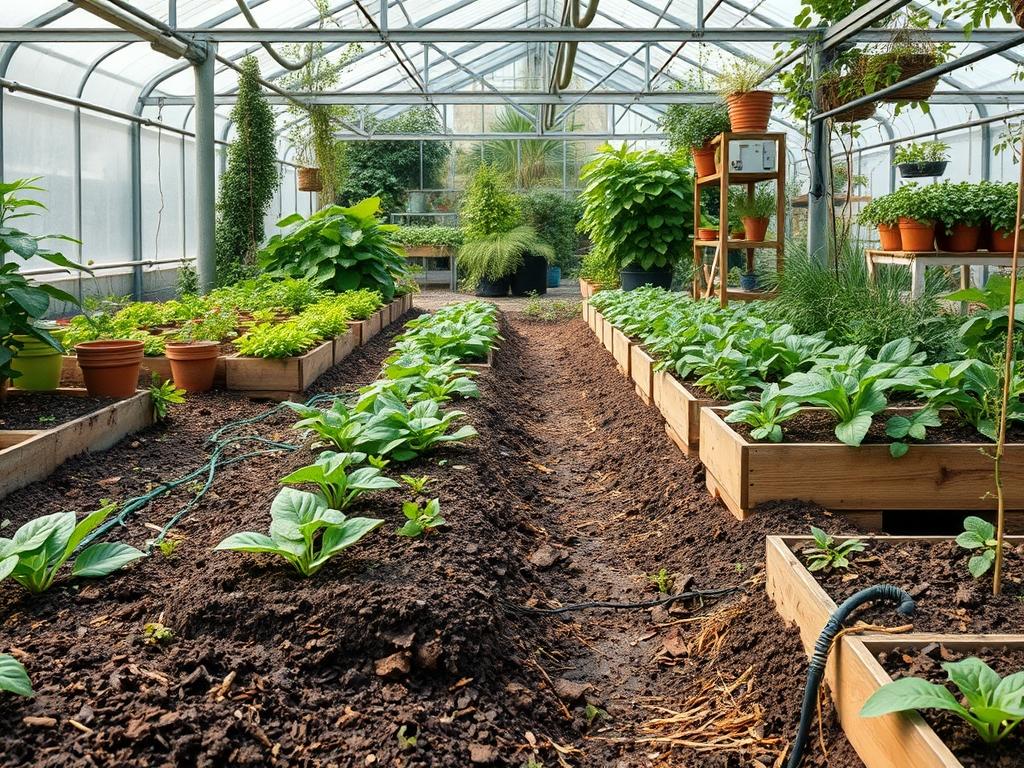
Establishing a high-end landscape requires more than aesthetic intuition; it demands a deep understanding of the subterranean environment. Soil organic matter, often abbreviated as SOM, serves as the primary reservoir for nutrients and moisture within a project site. For a landscape to achieve immediate curb appeal and long-term vitality, a designer must prioritize the rapid accumulation of this biological material. It is the difference between an outdoor space that merely survives and one that thrives. Effectively increasing organic matter is not a task for the patient; it requires a strategic application of high-quality inputs and an engineered approach to soil structure.
In professional landscaping, the challenge often lies in the transition from construction-grade fill to a living, breathing ecosystem. When a new home is built, the surrounding soil is frequently compacted and stripped of its top layer. This leaves the landscape architect with a sterile canvas that lacks the ability to support diverse plant life. To rectify this quickly, we look toward specific soil organic matter tips that prioritize biological inoculation and high-volume carbon additions. By focusing on the structural integrity of the soil, we ensure that every Perennial Garden or Hardscape Border has the foundation necessary to withstand climate fluctuations.
Landscape Design Principles
Successful design begins with the marriage of form and function, where symmetry and focal points are supported by a robust biological foundation. When planning a site, we consider elevation layers to create a sense of depth and architectural interest. Low-lying areas must be designed with drainage in mind, as excessive water can lead to anaerobic soil conditions that destroy organic matter. Conversely, raised beds and terraces require a higher percentage of organic content backfilled behind Retaining Walls to prevent the soil from drying out too quickly.
Symmetry in a formal garden depends entirely on uniform growth. If the soil organic matter is inconsistent across a site, the Boxwood Hedge on the northern side may dwarf its southern counterpart. To avoid this, we implement a site-wide soil amendment strategy before a single plant is placed. Visual balance is achieved not just through the placement of Specimen Trees, but through the consistent application of Fine-Textured Mulch and compost-tea injections. We also prioritize the installation of walkways that utilize permeable pavers, allowing water and oxygen to reach the root zones. This keeps the soil biology active, which is a key component in the rapid breakdown of organic isotopes into stable humus.
Plant and Material Selection
Selecting the right materials is the most critical phase for accelerating soil health. We categorize plants not just by their beauty, but by their ability to shed biomass and support the fungal networks beneath the surface.
| Plant Type | Sun Exposure | Soil Needs | Water Demand | Growth Speed | Maintenance Level |
| :— | :— | :— | :— | :— | :— |
| Red Clover | Full Sun | Adaptive | Moderate | Fast | Low |
| Switchgrass | Full/Part Sun | Diverse | Low | Fast | Low |
| Oakleaf Hydrangea | Shade/Part Sun | Rich/Loist | High | Medium | Medium |
| Comfrey | Full/Part Sun | Nutrient Rich | Moderate | Rapid | High |
| Dwarf River Birch | Full Sun | Wet/Acidic | High | Fast | Medium |
| Alfalfa | Full Sun | Well-Drained | Moderate | Rapid | Low |
The use of Green Manures like Alfalfa or Clover acts as a biological engine. These plants fix nitrogen and, when cut back, provide a massive influx of organic matter directly into the soil profile. For permanent installations, Native Grasses with deep root systems are preferred. These roots eventually die back and create channels for air and water, effectively composting in place.
Implementation Strategy
The implementation of a high-performance landscape begins with grading. We ensure a minimum 2 percent slope away from all structures to manage surface runoff. Once the grade is established, the fast-tracking of soil organic matter begins with the “sheet mulching” technique. We apply a 2 inch layer of high-quality Screened Compost directly over the existing soil. This is followed by a layer of unprinted cardboard to suppress weeds and, finally, a 3 inch layer of Arborist Wood Chips.
In areas designated for heavy planting, we use a Broadfork to aerate the soil without turning it over. Turning the soil introduces too much oxygen, which can cause the existing organic matter to oxidize and disappear. Instead, we vertical-mulch, which involves drilling holes into the ground and filling them with a mix of Biochar and Inoculated Compost. This strategy places the organic matter exactly where the roots will be, bypassing the years it would take for surface amendments to migrate downward. For hardscaping elements like Natural Stone Patios, we ensure that the surrounding soil is protected from compaction during the build phase by using Plywood Buffers or Temporary Mulch Pads.
Common Landscaping Failures
The most common failure in modern landscaping is the over-reliance on chemical fertilizers at the expense of soil structure. While these chemicals provide a quick green-up, they eventually kill the microbes responsible for creating soil organic matter. Another frequent error is improper drainage planning. When soil stays saturated for too long, it becomes compacted, and the organic matter begins to ferment rather than decompose into healthy humus.
Root overcrowding is another significant issue. Architects often place plants too close together for immediate visual impact, forgetting that roots need space to expand and interact with the soil biology. If the roots are cramped, the exchange of carbon between the plant and the soil is limited. Finally, the use of Plastic Landscape Fabric is a major deterrent to organic matter accumulation. It prevents the natural recycling of leaves and mulch into the soil and creates a barrier for beneficial insects like earthworms. We recommend using biodegradable barriers or densely planted “living mulches” instead.
Seasonal Maintenance
To maintain high soil organic matter levels, the maintenance schedule must be proactive rather than reactive. In the Spring, the focus is on aeration and the application of Microbial Inoculants. This “wakes up” the soil after the winter dormancy. During the Summer, the priority shifts to moisture management. High organic matter acts like a sponge, but it must be kept moist to support the fungi that process carbon. We adjust Drip Irrigation systems to provide deep, infrequent watering.
As Autumn arrives, we treat fallen leaves as a valuable resource rather than waste. We use Mulching Mowers to shred leaves into tiny fragments that fall between grass blades, providing a free source of carbon. Winter is the time for protection. We apply a fresh layer of Bark Mulch to insulate the soil and prevent the “freeze-thaw” cycle from heaving new plants out of the ground. This protective layer also ensures that the organic matter built up during the year does not wash away during heavy winter rains.
Professional Landscaping FAQ
How can I tell if my soil organic matter is increasing?
Look for a darkening of the soil color and an increase in visible earthworm activity. You may also notice that your soil holds moisture longer after irrigation and feels more crumbly rather than hard or dusty.
What is the fastest way to add organic matter to a large yard?
The most efficient method is top-dressing with a half-inch layer of compost and overseeding with a high-biomass cover crop. Mechanical core aeration before applying compost will help the organic material penetrate deeper into the root zone quickly.
Does mulch count as soil organic matter?
Mulch is a precursor to organic matter. As it decomposes through fungal and bacterial action, it eventually becomes part of the soil organic matter profile. Using a mix of wood chips and green clippings accelerates this process.
Can you have too much organic matter in your landscape?
While rare, exceeding 10 to 12 percent organic matter can lead to excessive nutrient leaching or unstable soil for heavy structures. For most ornamental landscapes, a range of 5 to 8 percent is the ideal target.
Is biochar better than compost for long-term soil health?
Biochar and compost serve different roles. Compost provides immediate nutrients and microbial life, while biochar acts as a permanent “housing complex” for those microbes. Combining both provides the fastest and most permanent increase in soil stability.