
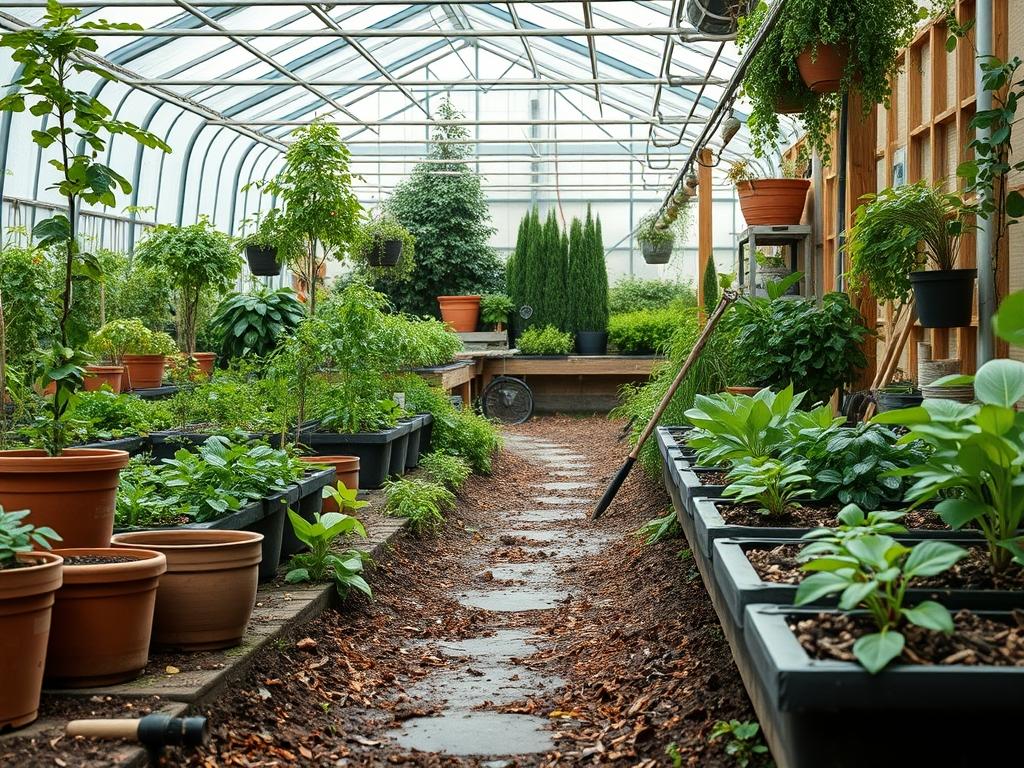
Achieving a high-performance landscape requires more than an eye for aesthetics; it demands a rigorous understanding of the chemical foundations within the soil. In the realm of professional site development, we view the ground as more than just dirt. It is a biological engine that dictates the success of every structural and organic element on the property. One of the most potent tools in a designer’s arsenal for rapid soil correction is the process of using hydrated lime. Unlike traditional pulverized limestone, hydrated lime, or calcium hydroxide, is a caustic and fast-acting material that can shift the pH of a planting bed almost overnight. This rapid transformation is essential when preparing a site for high-impact curb appeal where seasonal deadlines are tight. However, the intensity of this material necessitates a disciplined approach to safety and application. Without proper handling, the very substance intended to boost plant vitality can cause chemical burns to both the installer and the delicate root systems of expensive nursery stock.
Successful landscaping is an exercise in environmental management. When a client requests a lush, English-style garden in an area with naturally acidic, clay-heavy soil, the landscape architect must bridge the gap between the existing conditions and the desired outcome. Correcting soil acidity increases the bioavailability of essential nutrients like phosphorus and potassium. When using hydrated lime, the goal is to create a neutral or slightly alkaline environment that favors turfgrasses and specific ornamental blooms. This chemical balancing act directly impacts the functionality of the outdoor space. Well-balanced soil supports denser root structures, which in turn improves natural drainage and reduces the need for heavy irrigation. By prioritizing the chemical health of the site, we ensure that the architectural lines of the landscape remain crisp and that the foliage provides the necessary privacy and shade for a functional outdoor lifestyle.
Landscape Design Principles
When we approach the design of a grand estate or a refined urban lot, the principle of symmetry serves as our primary anchor. A symmetrical layout provides a sense of order and tranquility, which is often enhanced by the health of the perimeter plantings. If the soil pH is inconsistent across a site, one side of a symmetrical hedge may grow more slowly than the other, ruining the visual balance. Using hydrated lime allows for precise, localized adjustments to the soil biology, ensuring that every plant in a formal row grows at an identical rate. This level of control is what separates amateur gardening from professional landscape architecture.
Focal points and elevation layers provide the depth necessary for a sophisticated environment. We often use raised masonry planters or retaining walls to create these layers. However, the construction of hardscapes can often alter the local soil chemistry through mortar runoff or concrete leaching. Using hydrated lime strategically during the grading phase helps stabilize these areas, preparing the ground for the transition from hardscaping to softscaping. Visual balance is maintained by ensuring that the tallest trees in the background have the same vibrant green hue as the mid-level shrubs. This uniformity is achieved through meticulous soil testing and the subsequent application of soil conditioners to keep nutrient uptake consistent across all elevation tiers.
Irrigation planning must also be integrated into the soil strategy. Porous soils that have been properly amended with calcium allow for better water infiltration. This prevents the pooling and runoff that can undermine the integrity of walkways and stone paths. A well-designed landscape utilizes walkways not just for transit but as a tool to define different “rooms” within the garden. If the soil surrounding these paths is properly treated, the lawn edges remain sharp, and the transition from the walkway to the greenery appears seamless and intentional.
Plant and Material Selection
| Plant Type | Sun Exposure | Soil Needs | Water Demand | Growth Speed | Maintenance Level |
| :— | :— | :— | :— | :— | :— |
| Boxwood Shrub | Full Sun to Part Shade | Neutral to Alkaline | Moderate | Slow | Medium |
| Kentucky Bluegrass | Full Sun | pH 6.5 to 7.2 | High | Fast | High |
| Clematis Vine | Full Sun (Roots in Shade) | Alkaline Rich | Moderate | Medium | Low |
| Lilac Bush | Full Sun | Non-Acidic Well-Drained | Moderate | Medium | Medium |
| Lavender | Full Sun | Gritty Alkaline | Low | Fast | Low |
Implementation Strategy
The transition from a design concept to a physical reality begins with the grading process. Before any sod is laid or specimen trees are planted, the sub-grade must be assessed for drainage and composition. If the soil is found to be excessively acidic, using hydrated lime becomes a priority during the initial tilling. Because hydrated lime is highly reactive, it should be applied at a rate determined by a professional soil test, typically measured in pounds per 1,000 square feet. The installer must wear full protective gear, including long sleeves, chemical-resistant gloves, and safety goggles. A NIOSH-approved respirator is also mandatory, as the fine dust can be harmful if inhaled.
The material should be spread evenly across the surface and immediately incorporated into the top 6 inches of soil using a heavy-duty tiller. This minimizes the risk of the powder blowing into neighboring properties or onto existing sensitive foliage. Once incorporated, the area should be lightly misted with water to initiate the chemical reaction and stabilize the dust. Edging is then installed to define the boundaries between turfed areas and planting beds. We typically recommend a deep 4 inch steel or aluminum edge to prevent the lime-treated soil from migrating into areas where acid-loving plants, such as Azaleas or Blueberries, might be located. Drainage systems, including French drains or catch basins, are installed after the soil is conditioned to ensure that any excess water is channeled away from the foundation and hardscape features. Finally, a layer of hardwood mulch or pine bark is added at a depth of 3 inches to retain moisture and provide a finished look.
Common Landscaping Failures
One of the most frequent errors in professional landscaping is over-liming without a recent soil test. Excessive use of hydrated lime can lead to a condition called “lime-induced chlorosis,” where the soil becomes so alkaline that plants can no longer absorb iron. This results in yellowing leaves and stunted growth. Another common failure involves improper spacing. Designers often overlook the mature spread of a species, leading to root overcrowding. When roots compete for space, they also compete for the calcium and nutrients provided by soil amendments, leading to uneven health across the garden.
Drainage mistakes can also ruin an otherwise perfect installation. If the land is not graded with a minimum 2 percent slope away from structures, water will pool, causing soil compaction. Compacted soil lacks the oxygen pockets necessary for hydrated lime to work effectively with the soil microbes. Irrigation inefficiencies also contribute to failure. Over-watering can leach the calcium out of the root zone, while under-watering prevents the lime from reacting with the soil components. Professional consultants must ensure that the irrigation schedule is fine-tuned to the specific soil texture and the recent chemical amendments applied to the site.
Seasonal Maintenance
Managing a landscape is a year-round commitment that changes with the transit of the sun. In the spring, the focus is on reactivation. This is the ideal time to test the pH again and determine if another light application of lime is required to prepare for the spring growth spurt. We check all irrigation heads for clogs and ensure that the winter freeze has not shifted any stone walkways or retaining walls.
Summer maintenance involves moisture management and stress reduction. As temperatures rise, the alkalinity of the soil influences how well plants can withstand heat. We monitor for signs of nutrient lockout and adjust watering cycles to deep, infrequent sessions that encourage deep root penetration. Autumn is the season for soil fortification. This is often the best time for using hydrated lime for long-term correction, as it has the entire winter to mellow within the soil profile before the next growing season. We also clear away fallen leaves that can trap moisture and cause fungal issues on the turf. In winter, the focus shifts to structural protection and dormant pruning. We avoid using salt-based de-icers near lime-treated beds, as the salt can interfere with the soil chemistry and damage the delicate balance we have worked to establish.
Professional Landscaping FAQ
What is the main advantage of using hydrated lime over garden lime?
Hydrated lime works much faster than standard garden lime. It neutralizes soil acidity almost immediately upon contact with moisture. This makes it the preferred choice for professional contractors who need to see rapid results before installing expensive sod or sensitive ornamental plants.
Is it safe to use hydrated lime around pets and children?
Only after it has been thoroughly tilled into the soil and watered in. In its powdered form, it is highly caustic and can cause burns. Keep all pets and children away from the treated area until the material is fully integrated.
How do I know how much hydrated lime my soil needs?
You must perform a professional lab soil test. Never guess the amount. The lab report will provide a specific recommendation based on your current pH and your target level. Applying too much can permanently damage your soil structure and plant health.
Can I use hydrated lime on my existing lawn?
It is not recommended for top-dressing existing grass because it can burn the blades. It is best used during the soil preparation phase before the lawn is seeded or sodded. For existing lawns, use a slower-releasing granulated limestone for safety.
What protective gear is necessary when handling this material?
Safety is paramount when using hydrated lime. You must wear heavy-duty rubber gloves, wraparound safety goggles, a long-sleeved shirt, and a dust mask or respirator. Ensure you work on a calm day with no wind to prevent the powder from drifting.