
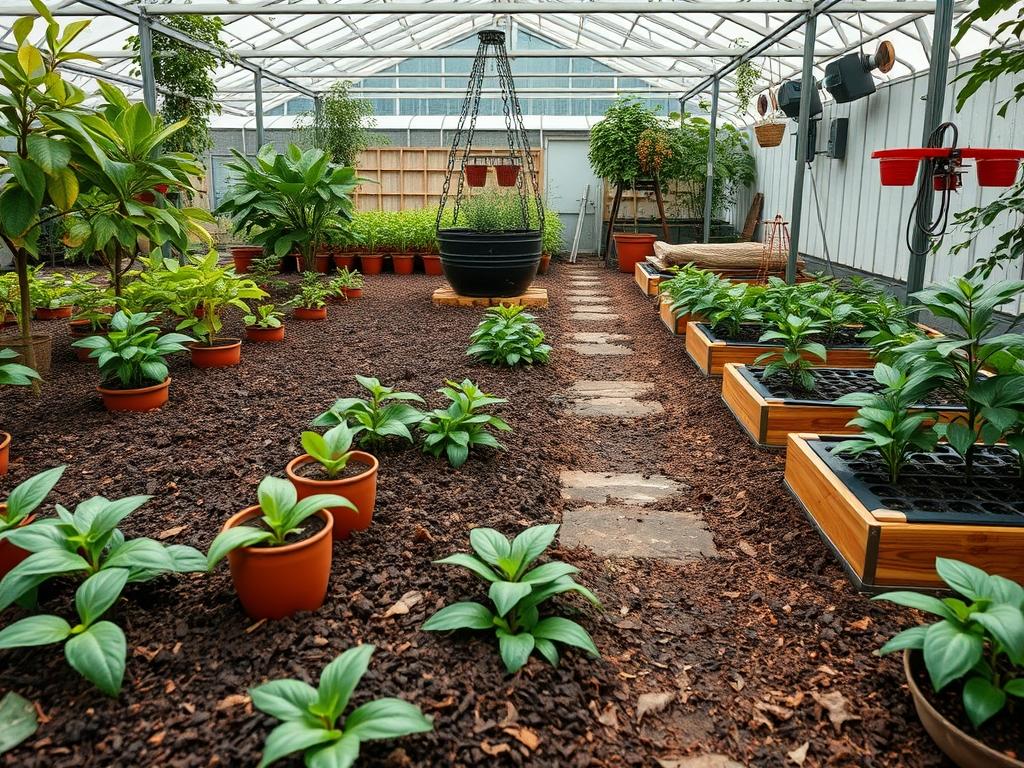
The selection of a top dressing material is far more than a final aesthetic flourish; it is a fundamental architectural decision that dictates the health and longevity of a landscape. When a designer evaluates the ground plane, they must consider how materials interact with soil chemistry, moisture retention, and local fauna. Cocoa Bean Hull Mulch, a byproduct of the chocolate industry, has emerged as a premium choice for high end residential projects due to its deep, uniform color and its unique sensory appeal. It offers a level of refinement that standard wood chips often lack, yet its application requires a nuanced understanding of both its biological properties and its environmental impact. A well planned landscape serves as a bridge between the structural rigidity of the home and the fluid growth of the natural world. Achieving this balance involves selecting materials that support the specific microclimates created by the building orientation and the site topography. For many homeowners, the goal is to create an outdoor environment that feels integrated and intentional. The choice of mulch plays a pivotal role in this, as it defines the negative space between plantings and directs the eye toward specific focal points. Whether the objective is to enhance curb appeal or to build a sustainable, drought resistant garden, the technical characteristics of Cocoa Bean Hull Mulch warrant a detailed examination of its benefits and its limitations.
Landscape Design Principles
Effective landscape design relies on the principles of symmetry, focal points, and elevation layers to create a sense of cohesion. In formal garden layouts, symmetry provides a sense of order and tranquility. Cocoa Bean Hull Mulch is particularly effective in these settings because its dark, consistent texture creates a stark visual contrast against the vibrant greens of trimmed hedges and lawns. This contrast allows the crisp lines of the garden to stand out, emphasizing the geometry of the space. When planning focal points, such as a custom water feature or a specimen tree like a Japanese Maple, the substrate should serve as a quiet backdrop that does not compete for attention. The rich, earthy brown of cocoa hulls absorbs light rather than reflecting it, ensuring that the primary visual interest remains on the plants or sculptures.
Elevation layers constitute another critical design element. A professional landscape consultant looks at the site in three dimensions, using groundcovers, mid level shrubs, and canopy trees to create depth. Mulch serves as the foundation of this vertical hierarchy. Beyond the visual, irrigation planning must be integrated into the design from the outset. Cocoa hulls act as an insulating blanket, reducing evaporation and protecting the delicate root systems of young plantings. However, the designer must account for the material’s weight and porosity. Because cocoa hulls are lighter than shredded bark or stone, they are best suited for level areas where they are less likely to be displaced by heavy rainfall or surface runoff.
Walkways and circulation paths also benefit from thoughtful mulch selection. While cocoa hulls are not a primary walking surface, they are excellent for defining the transition zones between hardscaping and softscaping. By using Metal Edging or Stone Pavers to contain the mulch, designers can prevent migration and maintain clean lines. This visual balance is essential for achieving a high end look that feels maintained rather than overgrown. Every design choice, from the placement of a Flagstone path to the depth of the mulch bed, should aim to enhance the functional flow of the outdoor living space.
Plant and Material Selection
| Plant Type | Sun Exposure | Soil Needs | Water Demand | Growth Speed | Maintenance Level |
| :— | :— | :— | :— | :— | :— |
| English Boxwood | Full Sun to Part Shade | Well drained, neutral pH | Moderate | Slow | Medium |
| Hostas | Full Shade to Part Shade | Rich, organic loam | High | Moderate | Low |
| Lavender | Full Sun | Gritty, alkaline soil | Low | Moderate | Medium |
| Hydrangea Macrophylla | Part Shade | Moist, fertile soil | High | Fast | High |
| Ornamental Grasses | Full Sun | Tolerant of most types | Low to Moderate | Fast | Low |
| Creeping Thyme | Full Sun | Well drained, sandy | Low | Moderate | Low |
Implementation Strategy
The successful application of Cocoa Bean Hull Mulch begins with rigorous site preparation. First, the area must be cleared of all perennial weeds and debris. Grading is the next essential step; the soil should be sloped at a minimum of two percent away from the building foundation to ensure proper drainage. Once the grade is established, designers often install a high quality landscape fabric or a layer of cardboard to serve as an organic weed barrier. When installing cocoa hulls, a depth of 2 inches to 3 inches is recommended. Applying the material too thinly will fail to suppress weeds, while excessive depth can limit oxygen exchange to the soil.
Edging is a critical technical requirement when using lightweight organic materials. A deep, 4 inch trench edge or the installation of permanent Steel Edging will help contain the mulch during rain events. Unlike heavier wood chips, cocoa hulls have a tendency to “knit” together after the first few waterings, forming a porous crust that resists wind displacement. During the implementation phase, it is also important to leave a small gap of approximately 1 inch to 2 inch around the base of tree trunks and woody shrubs. This prevents moisture from trapping against the bark, which can lead to rot and pest infestations. For gardens with automated irrigation, ensure that the Drip Emitters are placed beneath the mulch layer to maximize water efficiency and prevent the surface from becoming overly saturated, which can lead to the growth of harmless but unsightly slime molds.
Common Landscaping Failures
One of the most frequent mistakes in residential landscaping is improper drainage planning. When water is allowed to pool in mulch beds, the organic material begins to ferment, creating anaerobic conditions that are toxic to plant roots. While Cocoa Bean Hull Mulch is excellent for moisture retention, its fine texture can lead to compaction if it is compressed by heavy foot traffic. Compacted mulch acts as a waterproof cap, preventing moisture from reaching the root zone and causing the plants to suffer from drought even in wet weather.
Another significant concern specific to cocoa hulls is the presence of theobromine, a compound that is toxic to dogs. In households with pets, this can be a fatal design flaw. The sweet, chocolatey aroma of the hulls is often attractive to canines, leading them to ingest the material. Professional consultants must always screen clients for pet ownership before recommending this specific mulch. Furthermore, inadequate spacing during the planting phase often leads to root overcrowding. Designers must account for the mature width of each species, ensuring that the mulch bed is large enough to accommodate the root flare of the plants as they grow. Finally, failing to refresh the mulch annually can result in a loss of its nutrient benefits and its aesthetic appeal, as the organic matter breaks down and integrates into the topsoil.
Seasonal Maintenance
Landscape management is a year round commitment that evolves with the seasons. In the spring, the focus should be on “fluffing” the existing cocoa hulls with a Garden Rake to break up any crust that formed over the winter. This aeration allows air and water to penetrate more easily. This is also the time to add a thin top dressing of fresh mulch to restore the dark color and the signature aroma. During the summer, the primary task is moisture monitoring. In extreme heat, even the best mulch cannot compensate for a lack of deep watering. Checking the soil moisture level beneath the mulch layer using a Soil Probe will ensure that the irrigation system is functioning correctly.
In autumn, as deciduous trees shed their leaves, it is important to remove leaf litter from the top of the cocoa hulls. If left to decompose on top of the mulch, the leaves can create a thick mat that invites fungal diseases. Winter maintenance involves using the mulch as a protective thermal blanket. In regions with freeze thaw cycles, Cocoa Bean Hull Mulch provides excellent insulation for perennials and bulbs. By maintaining a consistent soil temperature, it prevents the “heaving” process that can push plants out of the ground. Proper seasonal care ensures that the structural integrity of the landscape design remains intact for years to come.
Professional Landscaping FAQ
Is cocoa bean hull mulch safe for all gardens?
Generally yes, but it is dangerous for homes with dogs due to theobromine. It is ideal for ornamental beds where high nutrient content and a dark, refined aesthetic are required to highlight specific plant varieties and architectural features.
How often should I replace cocoa bean hulls?
Because this mulch is organic and decomposes relatively quickly, you should apply a fresh 1 inch layer every spring. This maintains the nutrient levels in the soil and restores the rich, dark brown color that provides essential visual contrast.
Does this mulch attract pests or insects?
The sweet scent can occasionally attract certain insects, but it does not typically cause infestations. In fact, many gardeners find that the texture of the hulls acts as a mild deterrent for slugs and snails compared to heavier, moisture laden wood chips.
Will cocoa bean hulls blow away in the wind?
When first applied, they are lightweight and susceptible to wind. However, after the first significant rain or thorough watering, the hulls link together to form a stable surface. Using deep edging or stone borders helps significantly with containment.
Does the chocolate smell last all season long?
The intense aroma is most prominent for the first two to three weeks after application. While the scent fades over time, especially after heavy rains, the aesthetic and soil conditioning benefits of the mulch persist throughout the entire growing season.