
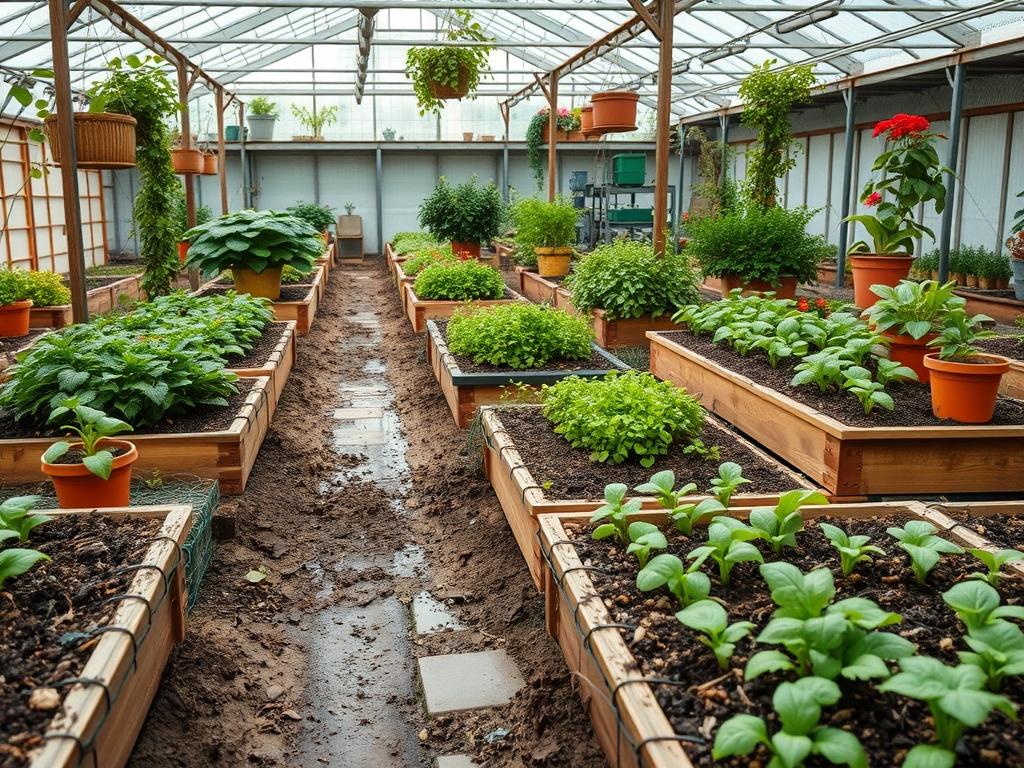
Maintaining a high-end landscape requires more than just an aesthetic eye; it demands a deep understanding of the subterranean environment. Landscape architects often encounter the frustration of “leaching,” where expensive fertilizers and vital minerals wash away through porous soil before the plant canopy can utilize them. Using Zeolite in Soil addresses this fundamental challenge by introducing a natural, volcanic mineral with a high cation exchange capacity. This mineral acts as a physical reservoir, capturing nutrients and water molecules within its honeycomb structure and releasing them slowly as the root systems demand. For any property owner seeking to maximize curb appeal while minimizing environmental runoff, integrating this material is a transformative strategy. A landscape that retains its vigor through the heat of mid-summer or the torrential rains of spring provides a functional, welcoming outdoor space that increases property value and reduces long-term maintenance costs.
In the world of professional landscaping, we view the soil as the foundation of an outdoor living room. When the foundation is weak, the entire design suffers. Whether you are managing a lush suburban lawn or a structural garden in a semi-arid climate, the goal is to create a self-sustaining ecosystem. Using Zeolite in Soil provides the structural stability needed to prevent the common “feast or famine” cycle of nutrient delivery. By holding onto nitrogen, potassium, and calcium, this mineral ensures that your boxwoods, ornamental grasses, and flowering perennials remain vibrant throughout the growing season. This efficiency is not merely about plant health; it is about responsible resource management. In many jurisdictions, reducing fertilizer runoff is no longer a suggestion but a requirement for sustainable site development.
Landscape Design Principles
Successful landscape design rests on the mastery of symmetry, focal points, and elevation layers. When we plan a site, we consider the visual weight of every element. However, the most beautiful focal point, such as a mature Japanese Maple, will fail to impress if the soil cannot sustain its canopy density. Visual balance is often achieved by staggering plant heights, using low-lying groundcovers to transition into mid-level shrubs and towering canopy trees. This layered approach creates depth. To maintain these layers, the soil must be consistently fertile across diverse elevation increments.
Irrigation planning is another pillar of professional design. In many modern layouts, we use a mix of hardscaping and softscaping to direct the eye. Walkways made of flagstone or decomposed granite often border high-performance garden beds. If these beds suffer from poor water retention, the plants will appear stunted against the rigid lines of the hardscape. Using Zeolite in Soil helps bridge the gap between architectural rigidity and biological fluidity. It allows for better water distribution across sloped areas, where gravity usually pulls moisture away from the roots. By incorporating zeolite into the grading phase, we can ensure that even the highest points of a tiered garden stay as hydrated as the lower basins.
Plant and Material Selection
Selecting the right flora is a delicate balance of climate resilience and aesthetic goals. In a professional layout, we prioritize species that provide multi-seasonal interest. Below is a breakdown of common plants used in high-performance landscapes where soil amendments like zeolite provide maximum benefit.
| Plant Type | Sun Exposure | Soil Needs | Water Demand | Growth Speed | Maintenance Level |
| :— | :— | :— | :— | :— | :— |
| English Lavender | Full Sun | Well-drained, Alkaline | Low | Medium | Low |
| Heuchera (Coral Bells) | Partial Shade | Humus-rich | Moderate | Moderate | Easy |
| Dwarf Alberta Spruce | Full Sun | Consistent moisture | Moderate | Very Slow | Medium |
| Panic Grass | Full Sun | Sandy to Loamy | Low | Fast | Minimal |
| Hydrangea Macrophylla | Part Shade | Nutrient-dense | High | Fast | High |
When selecting materials, the choice of amendment is just as critical as the plant itself. While organic compost provides an initial burst of nutrients, it decomposes over time and loses its structural benefit. Clinoptilolite zeolite, the specific form used in landscaping, is a permanent addition. It does not break down in the soil, meaning its ability to improve aeration and nutrient capture remains effective for years. This permanence makes it a superior choice for permanent installations like privacy hedges or specimen trees.
Implementation Strategy
Implementing a professional garden layout begins with precise site preparation. Before any plants arrive, the site must be cleared and the grade established to ensure proper surface drainage. Using Zeolite in Soil should occur during the initial soil preparation phase. For a standard garden bed, we recommend distributing 10 to 15 pounds of zeolite per 100 square feet. Use a rototiller or a heavy-duty spade to incorporate the mineral to a 6 inch or 8 inch depth. This ensures the amendment is situated exactly where the root zone will develop.
Once the soil is prepped, define the edging. Whether you use Corten steel, poured concrete, or natural stone, a crisp edge is the hallmark of a professional job. For larger installations, such as a new lawn, the zeolite should be spread as a top-dressing before the sod is laid or the seed is broadcast. This layer acts as a safety net for nitrogen. After planting, a 3 inch layer of hardwood mulch or pine bark should be applied to the surface. This mulch works in tandem with the zeolite below; the mulch prevents evaporation from the surface, while the zeolite holds moisture in the rhizosphere.
Common Landscaping Failures
The most frequent failure in residential landscaping is poor drainage leading to root rot. Many homeowners believe that adding more water solves every problem, but without proper soil structure, water simply sits in stagnant pockets. Using Zeolite in Soil helps mitigate this by improving the “pore space” within the soil. It breaks up heavy clay, allowing oxygen to reach the roots. Oxygen is just as important as water for plant respiration.
Another common mistake is root overcrowding. When plants are spaced too closely to achieve an “instant” full look, they compete for the same pool of nutrients. If the soil has low nutrient retention, the plants will quickly enter a state of stress, characterized by yellowing leaves or susceptibility to pests. Furthermore, soil compaction from heavy foot traffic or construction equipment can suffocate a garden. Zeolite acts as a physical buffer against compaction. Because it is a hard mineral, it maintains its shape under pressure, ensuring that the soil remains friable and easy for roots to penetrate.
Seasonal Maintenance
Landscape management is a year-round commitment. In the Spring, the focus is on awakening the garden. This is the ideal time to add a light top-dressing of zeolite to established beds if it was not done during the initial planting. This prepares the soil to catch the first round of seasonal fertilization. Use a hand rake to gently work the minerals into the top layer of soil without disturbing emerging bulbs.
As Summer arrives, the priority shifts to hydration. During periods of drought, zeolite serves as an internal reservoir, reducing the frequency of irrigation cycles. Monitor your plants for signs of wilt during the afternoon. If the soil is properly amended, you should notice a significantly longer “hold time” between waterings. In Autumn, focus on soil building. This is the time to add organic matter like leaf mold or compost. The zeolite already in your soil will help capture the nutrients released by these organic additions as they break down over the winter. Finally, in Winter, the landscape is largely dormant, but the mineral structure of your soil continues to prevent nutrient leaching from heavy snowmelt or winter rains, ensuring a healthy start for the next cycle.
Professional Landscaping FAQ
How does zeolite help with water conservation?
Zeolite acts like a microscopic sponge within the soil. It absorbs up to 55% of its weight in water and releases it slowly. This reduces the need for frequent irrigation and helps plants survive periods of extreme heat without wilting.
Can I use zeolite in existing container gardens?
Yes. You can incorporate zeolite into pots by removing the top 2 inches of soil and mixing in the mineral. It is especially effective in containers, where nutrients usually wash out of the bottom drainage holes very quickly during daily watering.
Is zeolite safe for all plant species?
As a natural, non-toxic mineral, zeolite is safe for a wide variety of plants, including vegetables, roses, and evergreens. It has a neutral to slightly alkaline pH, making it compatible with most standard garden environments and native plant species.
How often should I reapply zeolite to my lawn?
Unlike organic fertilizers, zeolite does not decompose. In most landscape applications, a single thorough application during planting or a yearly light top-dressing for turf is sufficient. It remains a permanent part of the soil profile to improve long-term structure.
Does zeolite replace the need for fertilizer?
No, zeolite is not a fertilizer itself. Instead, it acts as a “nutrient bank.” It captures the nutrients from the fertilizers you apply and prevents them from leaching away, making your existing fertilization program much more efficient and cost-effective.