The accumulation of soluble salts in the root zone represents one of the most significant challenges for modern landscape architecture and high-end garden planning. This condition, often referred to as soil salinity, inhibits the ability of vegetation to absorb moisture through osmosis, essentially creating a drought-like environment even when water is plentiful. In coastal regions or arid climates where reclaimed water is common, effective Soil Salinity Management is the difference between a thriving, vibrant estate and a fading, yellowing disappointment. Beyond the biological impact on flora, high salt concentrations can physically degrade Concrete Pavers, corrode Low-Voltage Lighting systems, and cause unsightly white efflorescence on Retaining Walls. Addressing these issues requires a strategic blend of chemical remediation, hydraulic engineering, and thoughtful aesthetic planning to maintain curb appeal and preserve the long-term functionality of outdoor living spaces.
Effective management transitions from a reactive fix to a proactive design philosophy. When salinity is present, the landscape must be engineered to facilitate the movement of minerals away from delicate root systems. This involves a deep understanding of the site’s microclimate and the chemical composition of the local water source. By prioritizing drainage and soil structure, an architect can ensure that the investment in high-quality specimens and hardscaping remains protected for decades.
Landscape Design Principles
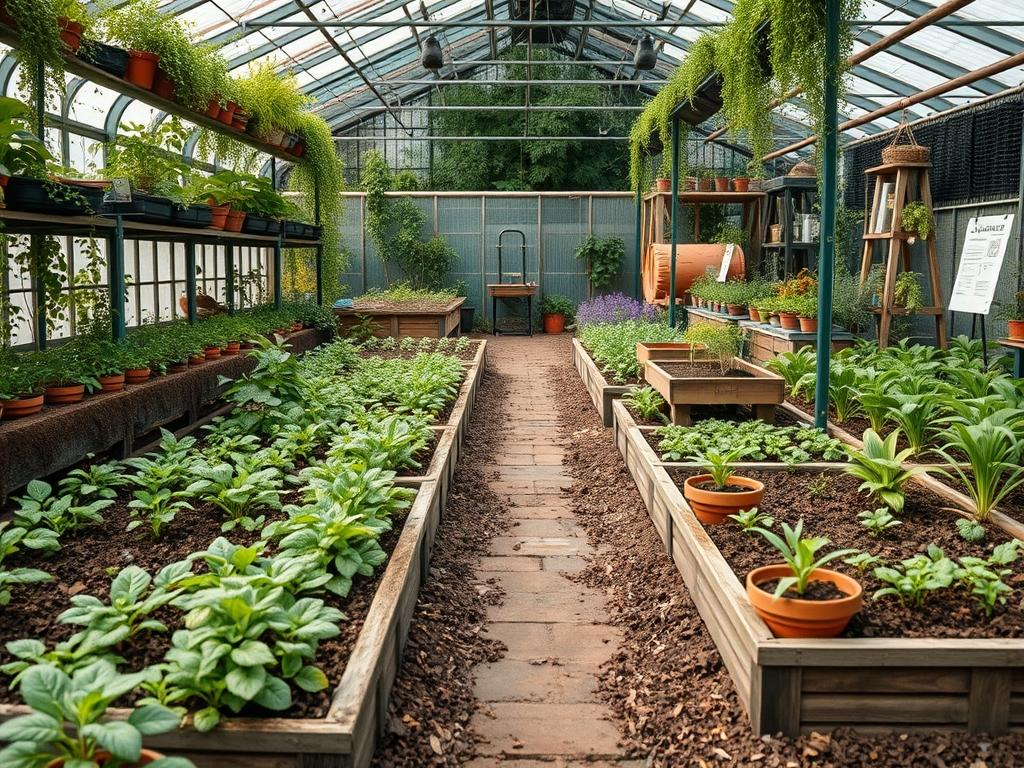
When designing for high-salinity environments, the architect must prioritize the movement of water and the elevation of plant material. Elevation is the primary tool for mitigating salt damage. By using Raised Garden Beds constructed from Natural Stone or Pressure-Treated Timber, designers can create a controlled environment where the soil profile is isolated from brackish groundwater. This layering adds visual interest and creates a sense of depth and luxury in the backyard layout. Symmetry in these environments is often achieved through the use of repetitive, salt-hardy structural plants that frame Focal Points such as Basalt Fountains or Sculptural Urns.
Modern irrigation planning is equally critical. In a salt-affected landscape, a standard spray head can be detrimental, as salt spray can cause leaf burn on sensitive foliage. Instead, designers should specify Subsurface Drip Irrigation lines. These systems deliver water directly to the root zone, minimizing evaporation which often leaves concentrated salt crusts on the soil surface. Furthermore, Permeable Pavers and Gravel Walkways should be integrated into the design to allow rainwater to flush the soil naturally. This helps maintain a healthy balance of minerals and prevents the “bathtub effect” where salt-laden water sits stagnant around root balls. Visual balance is maintained by blending these technical requirements with softscape elements that mask the underlying engineering, such as using Trailing Rosemary to soften the edges of a raised masonry planter.
Plant and Material Selection
Selecting the right biological palette is essential for a sustainable landscape. The following table provides a selection of salt-tolerant species and materials suited for saline soil conditions.
| Plant Type | Sun Exposure | Soil Needs | Water Demand | Growth Speed | Maintenance |
| :— | :— | :— | :— | :— | :— |
| Seashore Paspalum | Full Sun | Sandy/Loam | Moderate | Fast | High |
| Oleander | Full Sun | Well-Drained | Low | Fast | Low |
| Shore Juniper | Full Sun | Sandy | Low | Moderate | Low |
| Natal Plum | Sun to Part Shade | Thrives in Sand | Moderate | Moderate | Moderate |
| Blanket Flower | Full Sun | Poor/Dry Soil | Low | Fast | Low |
| Japanese Black Pine | Full Sun | Acidic/Sandy | Moderate | Slow | Moderate |
| Bougainvillea | Full Sun | Well-Drained | Low | Very Fast | High |
In addition to plant material, the choice of hardscape is vital. Silica Sand should be used for leveling rather than limestone-based sands which can increase alkalinity. For structural elements, Marine-Grade Stainless Steel fasteners and Non-Porous Stone like Granite or Slate are preferred to prevent salt-induced pitting and erosion.
Implementation Strategy
The successful execution of a salinity-focused landscape begins with a comprehensive site analysis. The first step involves using an EC Meter (Electrical Conductivity) to map the salt concentrations across the property. Once high-stress areas are identified, the Grading process begins. The land must be sloped at a minimum of 2 percent toward a designated drainage area or French Drain to ensure that salt-heavy runoff does not pool near the primary lawn or garden beds.
Following the grade work, soil remediation begins through a process known as leaching. This involves applying a high volume of low-salt water to the soil to push the minerals below the root zone. To facilitate this, professional installers often apply Gypsum (Calcium Sulfate) at a rate of 40 pounds per 1,000 square feet. The calcium in the gypsum displaces the sodium on the soil particles, allowing it to be washed away more easily. Once the chemistry is balanced, Edging tools are used to define the borders between Mulch beds and turf. A thick layer of Hardwood Mulch, approximately 3 inches deep, is essential to reduce evaporation and keep the soil surface cool, which significantly slows the upward movement of salts through capillary action.
Common Landscaping Failures
The most frequent mistake in Soil Salinity Management is the lack of adequate drainage. Many homeowners install beautiful plant palettes only to have them die within a year because water is trapped in a “clay bowl” beneath the surface, concentrating salts around the roots. Another common failure is root overcrowding. When plants are spaced too closely, they compete for the limited “clean” water available in the soil, leading to stunted growth and increased susceptibility to pests.
Improper irrigation timing also contributes to failure. Watering in the heat of the day increases evaporation, which leaves behind a concentrated mineral film. Furthermore, the use of high-nitrogen synthetic fertilizers can inadvertently increase soil salinity, as many of these products are essentially salts themselves. Professionals instead recommend Organic Compost or Slow-Release Organic Fertilizers that build soil structure without spiking the salt index. Finally, soil compaction from heavy machinery during construction can destroy the pore space needed for salt leaching, effectively “sealing” the salt into the upper layers of the earth.
Seasonal Maintenance
Landscape management is a year-round commitment that shifts with the weather. In the Spring, the focus is on recovery. This is the optimal time to perform a deep leaching of the soil using a Soaker Hose to wash away any salts that accumulated during the drier winter months. It is also the season to apply a fresh layer of Organic Matter to improve soil buffet capacity.
During the Summer, monitoring for “salt burn” is the priority. If leaves show brown, crispy edges, it may be necessary to increase the frequency of irrigation cycles to keep the salts diluted. In the Autumn, gardeners should focus on “tucking in” the landscape. This involves applying a dormant oil to woody shrubs and ensuring that Drainage Grates are clear of fallen leaves and debris. Finally, in Winter, particularly in regions where road salt is used for de-icing, physical barriers like Burlap Screens should be erected to protect sensitive boxwoods or evergreens from salt-laden spray kicked up by vehicles. Throughout all seasons, an annual soil test is the most important tool for the professional consultant to adjust the management plan.
Professional Landscaping FAQ
How do I know if my soil has high salinity?
Look for white, crusty patches on the soil surface, stunted plant growth, or “burnt” leaf edges. A professional soil test using a Conductivity Meter provides the most accurate measurement of salt concentrations in your garden beds.
Can I use tap water if I have high salt levels?
Municipal water is generally safe, but well water or reclaimed water can be high in minerals. If your water source is saline, you must focus on heavy leaching and the periodic application of Gypsum to manage accumulation.
What is the fastest way to remove salt from soil?
The most effective method is leaching. By applying large quantities of fresh water, you physically wash the soluble salts down through the soil profile and away from the root zone, provided you have adequate drainage below.
Does mulch help with soil salinity?
Yes, a 3-inch layer of Organic Mulch is highly effective. It reduces surface evaporation, which prevents salts from being pulled to the surface. It also adds organic matter that improves the soil’s ability to buffer chemical changes.
Are there any “salt-eating” plants?
Certain plants, known as halophytes, can thrive in salty conditions by storing or excreting salt. While they do not “remove” salt from the entire plot, species like Seashore Paspalum can tolerate high levels while maintaining a green, lush appearance.