
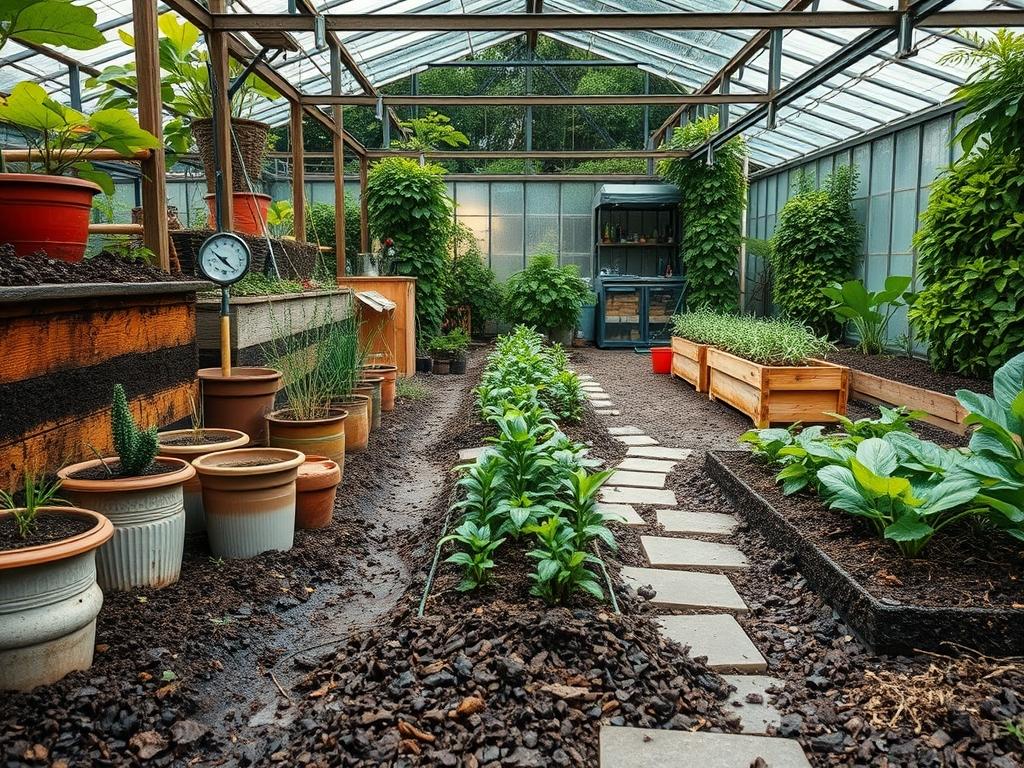
Successful landscaping is an exercise in managing the invisible forces that govern plant health and structural stability. While most homeowners focus on the vibrant colors of Perennials or the clean lines of a Paver Patio, the long term success of any outdoor environment depends entirely on the architecture of the soil. Soil porosity testing serves as the primary diagnostic tool for a landscape architect to determine if the ground can support life or if it will eventually suffocate the root systems of expensive nursery stock. Without adequate pore space, oxygen cannot reach the roots, and water cannot transition from the surface to the aquifer. This leads to stunted growth, increased susceptibility to disease, and a significant decrease in curb appeal that can diminish property value. Mastering this testing process ensures that your outdoor functionality remains high, preventing the common tragedy of a beautiful garden that dies within two or three seasons due to poor subterranean conditions.
The relationship between soil structure and outdoor living is profound. When a site suffers from low porosity, usually caused by heavy clay or construction compaction, water pools on the surface. This creates a muddy environment that renders lawns unusable and creates breeding grounds for mosquitoes. Conversely, overly porous soil, often found in sandy coastal regions, drains so quickly that plants suffer from chronic dehydration. A professional landscape consultant uses soil porosity testing to strike a balance, ensuring the landscape retains enough moisture for health while allowing enough air for cellular respiration. By understanding the ratio of macropores to micropores, we can plan for Grading, Irrigation, and Subsurface Drainage before a single plant is placed in the ground.
Landscape Design Principles
Effective landscape design relies on the principles of symmetry and visual balance, but these aesthetic goals are unattainable without healthy plant physiology. Focal points, such as a large Japanese Maple or a structured Evergreen Hedge, require consistent soil conditions to maintain their intended form. If one side of a symmetrical planting has higher soil compaction than the other, the visual balance will eventually fail as plants grow at different rates. Elevation layers also play a critical role here. By using soil porosity testing, we can determine how to terrace a slope. High porosity areas are ideal for Rock Gardens or Xeriscape elements, while lower porosity zones might require a French Drain or the installation of a Rain Garden to manage runoff.
Walkways and hardscaping must also be planned with porosity in mind. If you install a Blue Stone patio over soil with poor drainage, the freeze-thaw cycles in winter will cause the ground to heave, cracking your masonry and destroying your investment. Irrigation planning is similarly dependent on these results. There is no point in installing a high volume Spray Head system on soil that cannot absorb water faster than 0.5 inches per hour. By testing the soil first, we can design a Drip Irrigation system that delivers water at a rate the soil can actually process, preventing runoff and maximizing root oxygenation.
Plant and Material Selection
| Plant Type | Sun Exposure | Soil Needs | Water Demand | Growth Speed | Maintenance Level |
| :— | :— | :— | :— | :— | :— |
| River Birch | Full Sun | Moist, Low Porosity | High | Fast | Medium |
| Lavender | Full Sun | Gritty, High Porosity | Low | Moderate | Low |
| Hosta | Partial Shade | Loamy, Med Porosity | Moderate | Moderate | Low |
| Boxwood | Sun to Shade | Well-Drained, Med Porosity | Moderate | Slow | High |
| Switchgrass | Full Sun | Adaptable, High Porosity | Low | Fast | Low |
| Azalea | Dappled Shade | Acidic, High Porosity | Moderate | Moderate | High |
Implementation Strategy
The process of soil porosity testing begins with a Soil Probe or a simple Shovel. You should take samples from several locations across the property, as soil composition often changes between the front yard and the back. To perform a basic saturation test, dig a hole 12 inches deep and 12 inches wide. Fill it with water and let it drain completely to saturate the surrounding area. Fill it a second time and measure how long it takes for the water level to drop. A professional standard is usually a drop of 1 to 2 inches per hour. If the water vanishes in minutes, your porosity is too high; if it sits for a day, you have a compaction crisis.
Once the results are in, implementation moves to soil amendment and grading. If porosity is low, you must incorporate organic matter like Leaf Mold or Compost to a depth of at least 8 inches. For extreme compaction, mechanical aeration or the addition of Expanded Shale can create the necessary macropores. When grading the site, ensure a slope of at least 2 percent away from any structural foundations. Edging should be installed to clearly define beds and prevent turf grass from encroaching on delicate root zones. Finish the installation with a layer of Hardwood Mulch at a depth of 2 to 3 inches. This protects the surface from crusting over, which is a common way that soil porosity is ruined after the initial planting.
Common Landscaping Failures
One of the most frequent failures in residential landscaping is the neglect of drainage during the construction phase. Many contractors park heavy machinery on open soil, crushing the pore spaces and creating an impenetrable layer of earth. When new plants are placed in this “bathtub,” their roots eventually rot because they are essentially submerged in stagnant water. Another common error is improper spacing. When plants are crowded, they compete for the limited oxygen and nutrients available in the soil pores, leading to a decline in the health of the entire grouping.
Irrigation inefficiency is a further consequence of ignoring soil porosity testing. Over-watering in low-porosity soil leads to anaerobic conditions, where beneficial bacteria die and harmful pathogens thrive. You might notice yellowing leaves or a sour smell from the soil, both indicators of oxygen deprivation. Additionally, many homeowners apply too much mulch. A “mulch volcano” piled against the trunk of a tree prevents air from reaching the surface roots and the root flare, effectively suffocating the plant despite the quality of the soil underneath.
Seasonal Maintenance
Landscape management changes with the seasons, but the focus on soil health remains constant. During the spring, focus on Core Aeration. This process removes small plugs of soil to alleviate winter compaction and allow spring rains to reach the root zone. It is also the best time to apply a light layer of Compost to replenish organic matter that has broken down. Summer maintenance involves monitoring irrigation. If you notice water running off the surface of the beds, the soil may have become hydrophobic. A gentle raking of the surface mulch can break this tension and restore air and water flow.
Autumn is the ideal time for Deep Root Fertilization. By using a specialized pressurized tool, you can inject nutrients directly into the root zone, which also helps to fracture compacted soil and introduce oxygen before the dormant season. Winter is the time for observation. Watch where water settles or where ice sheets form. These locations indicate areas where soil porosity testing may have been overlooked or where the landscape has settled over time. Mark these areas for remediation once the ground thaws.
Professional Landscaping FAQ
How does soil porosity affect curb appeal?
Highly porous soil supports lush, vibrant growth and prevents unsightly puddles or dead patches. When plants receive the correct balance of air and water, they maintain their color and structure, which significantly enhances the overall visual impact of the property.
Can I fix low porosity without digging everything up?
Yes, you can use Core Aeration or Liquid Aerants to improve airflow. Adding a thin layer of organic compost to the surface each year allows earthworms to act as natural tillers, gradually improving the pore structure without disturbing existing plant roots.
What tools are best for testing soil porosity at home?
A simple Percolation Test requires only a Shovel, a Ruler, and a Stopwatch. For more scientific results, a Double-Ring Infiltrometer can be used to measure the specific rate at which water infiltrates the soil profile under controlled conditions.
How deep should I test the soil?
You should test at a depth of at least 12 to 18 inches. Most ornamental shrubs and perennials have root systems within this range. Testing only the surface can be misleading, as a compacted subsoil layer may exist just below the surface.
Does mulch type affect soil oxygen levels?
Yes, heavy or fine-textured mulches like Sawdust can mat down and block air exchange. It is better to use coarse Wood Chips or Pine Bark Nuggets, which leave enough space for gases to move between the atmosphere and the soil.