
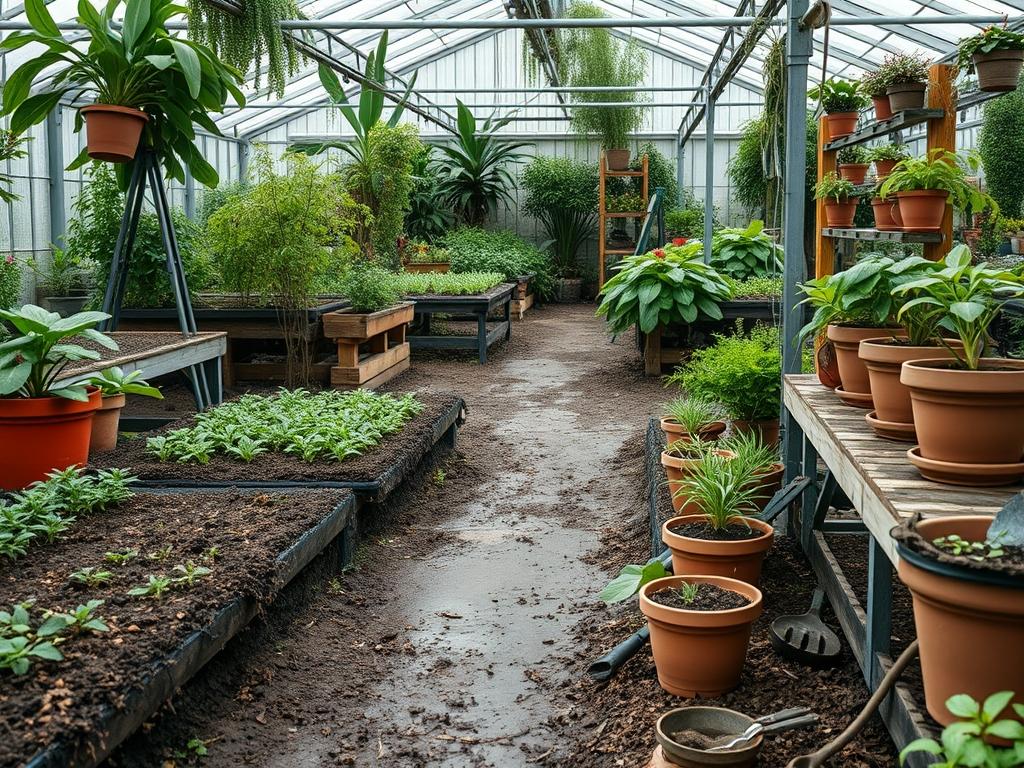
Navigating the complexities of large scale residential or commercial landscaping requires more than just an aesthetic eye; it demands rigorous logistical planning and a deep understanding of site engineering. One of the most significant challenges for any property owner or contractor involves the precise procurement of raw materials. When you transition from small garden beds to expansive site developments, the financial and physical stakes of material management increase significantly. Bulk soil ordering tips often center on the principle of accuracy, as underestimating your needs leads to costly secondary delivery fees, while overestimating results in unsightly mounds of excess material that can suffocate existing turf or clog drainage systems. Successful projects balance curb appeal goals with functional necessities like proper grading and soil health, ensuring that the outdoor environment thrives across varying climate conditions.
To master the art of soil procurement, one must understand the standard unit of measurement in the industry: the cubic yard. Calculating volume is a foundational skill. You must multiply the length of your coverage area by the width, then multiply that by the desired depth in feet. For example, if you are planning a garden that is 20 feet long and 10 feet wide with a soil depth of 6 inches, your calculation would be 20 times 10 times 0.5, resulting in 100 cubic feet. Since there are 27 cubic feet in one cubic yard, you divide 100 by 27 to arrive at approximately 3.7 cubic yards. Always factor in a compaction buffer of 15 to 20 percent, as loose soil will settle significantly after the first heavy rain or irrigation cycle.
Landscape Design Principles
Effective landscape design is rooted in the strategic application of symmetry and visual balance. By creating focal points, such as a large Specimen Tree or a structural Retaining Wall, you guide the observer’s eye through the space. Symmetry does not always mean a mirror image; asymmetrical balance can be achieved by pairing a large, heavy object on one side with a grouping of smaller, lighter elements on the other. Elevation layers add a third dimension to the design, preventing a flat, uninteresting appearance. This is often achieved through the use of terraced beds or raised planters filled with high quality Garden Mix Soil.
Functional planning must precede aesthetic choices. Irrigation Planning is perhaps the most critical technical component, ensuring that water reaches the root zones of varied plant species without wasting resources or causing erosion. Integrating Flagstone Walkways or Paver Paths defines the movement within the space, protecting the soil from compaction caused by foot traffic. Furthermore, designers must consider the transition between hardscaped areas and softscaped zones. A well designed landscape uses these transitions to soften the sharp lines of a home’s architecture, employing Native Shrubs and groundcovers to create a seamless flow from the built environment to the natural world.
Plant and Material Selection
Selecting the right biological components for your soil type is essential for long term sustainability. Below is a reference for common selections in professional designs.
| Plant Type | Sun Exposure | Soil Needs | Water Demand | Growth Speed | Maintenance |
| :— | :— | :— | :— | :— | :— |
| Boxwood Shrub | Full Sun to Part Shade | Well Drained Loam | Moderate | Slow | Medium |
| Purple Coneflower | Full Sun | Sandy or Clay Mix | Low | Fast | Low |
| Japanese Maple | Filtered Sunlight | Organic Compost | Moderate | Slow | High |
| Heritage River Birch | Full Sun | Moist Topsoil | High | Fast | Medium |
| Blue Fescue Grass | Full Sun | Gritty/Well Drained | Low | Moderate | Low |
| Hostas | Full Shade | Rich Humus | Moderate | Moderate | Low |
Implementation Strategy
The transition from a design on paper to a physical landscape starts with site preparation and Grading. You must ensure the ground slopes away from building foundations at a minimum decline of two percent. This prevents water from pooling against the structure and directs it toward French Drains or established swales. Once the subgrade is established, professional landscapers use an Edger to define the boundaries of garden beds, creating a clean lip that prevents grass from encroaching on the planting zones.
When the bulk soil arrives, typically delivered by a Dump Truck, it should be staged as close to the final destination as possible to minimize labor. Use a Skid Steer for large volumes or a heavy duty Wheelbarrow for tighter residential spaces. Spread the Topsoil or Organic Matter in even layers, avoiding the temptation to walk over the freshly spread material, which leads to harmful Soil Compaction. After the plants are installed, apply a layer of Hardwood Mulch at a depth of exactly 3 inches. This specific depth is crucial; too thin and it fails to suppress weeds or retain moisture, too thick and it prevents oxygen from reaching the soil surface.
Common Landscaping Failures
The most frequent failure in large scale projects is improper drainage. When soil is not graded correctly, or when heavy local clay prevents infiltration, plants suffer from root rot. Another common mistake involves root overcrowding. Designers often place young plants too close together to achieve an immediate “full” look, but within three years, these plants compete for nutrients and light, leading to stunted growth or death. Using a Measuring Tape to adhere strictly to the spacing requirements on the nursery tag is a non negotiable rule for professionals.
Soil compaction is a silent killer in the landscape. When heavy machinery moves over wet ground during construction, it collapses the air pockets within the soil. Without these pockets, roots cannot breathe and water cannot move downward. Furthermore, irrigation inefficiencies often stem from a “set it and forget it” mentality. Overwatering with a Sprinkler System not only wastes money but also leashes vital nutrients out of the Root Zone, leaving the plants vulnerable to pests and disease.
Seasonal Maintenance
Landscape management is a year round commitment that shifts with the biology of the plants. In the spring, the focus is on rejuvenation. This involves testing the soil pH with a Soil Probe, applying a balanced Fertilizer, and refreshing the Mulch layers that may have thinned over the winter. This is also the time to inspect Drip Irrigation lines for leaks or clogs caused by mineral buildup during the dormant season.
As summer arrives, the priority shifts to moisture management and heat stress mitigation. Deep, infrequent watering encourages roots to grow deeper into the Subsoil, making them more resilient during droughts. In autumn, maintenance focuses on debris removal and preparation for dormancy. Clean up fallen leaves that can harbor fungi and apply a final layer of Compost to provide slow release nutrients through the winter. Winter maintenance is largely protective; use Burlap Wraps for sensitive shrubs and avoid using salt based de-icers near planting beds, as the runoff can drastically alter the soil chemistry and kill the root systems of your Perennials.
Professional Landscaping FAQ
How do I determine if my soil is high quality?
High quality soil should have a crumbly texture, dark color, and an earthy smell. Use a Soil Test Kit to check for essential nutrients like nitrogen, phosphorus, and potassium, ensuring the pH levels are appropriate for your specific Plant Species.
What is the best way to prevent weeds in bulk soil?
Request “weed free” certified Topsoil or heated Compost mixes from your supplier. Once the soil is spread, immediately cover it with a Geotextile Fabric or a thick layer of Wood Chips to prevent airborne seeds from germinating in the new medium.
Can I mix different types of bulk soil?
Yes, professionals often create a custom blend. Mixing Screened Topsoil with Coarse Sand and Mushroom Compost creates a balanced environment that offers both structural support for large plants and the drainage necessary for delicate root systems to thrive without rot.
How much does a cubic yard of soil weigh?
A typical Cubic Yard of dry topsoil weighs approximately 2,000 pounds, or one ton. If the material is wet, the weight can increase to 3,000 pounds. Ensure your delivery area can support the weight of a heavy Delivery Truck.
How do I calculate soil for a circular planter?
Use the formula for the volume of a cylinder. Multiply 3.14 by the radius squared, then multiply by the depth. Convert the final number from Cubic Feet to Cubic Yards by dividing by 27 to ensure your bulk order is accurate.