
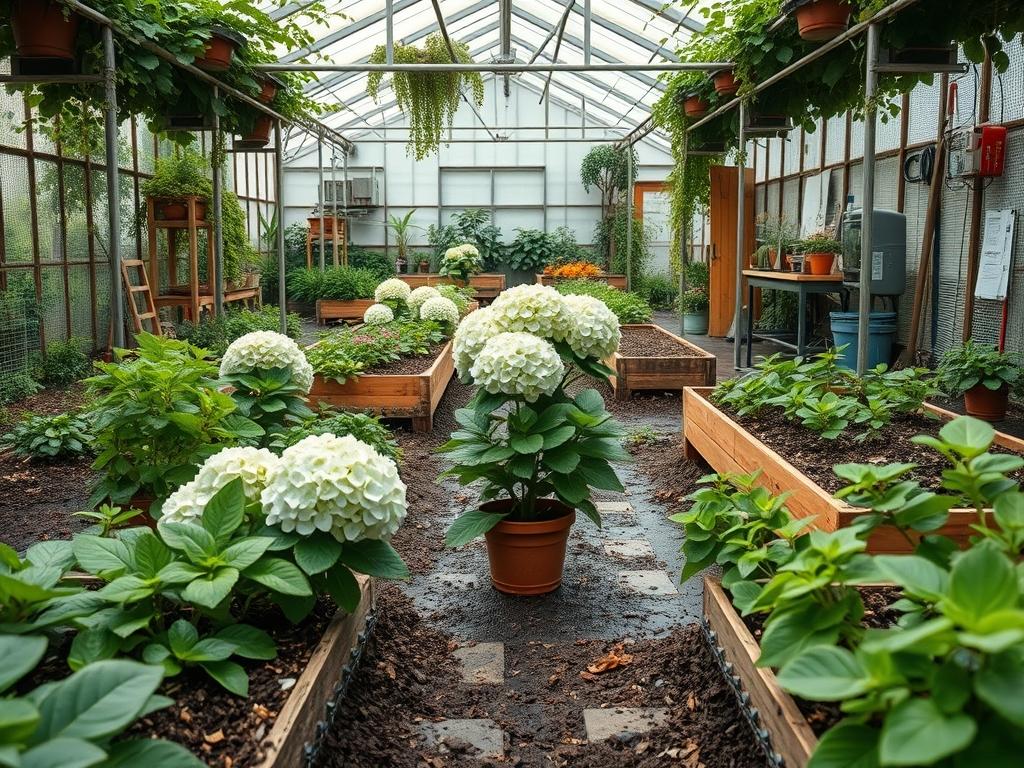
Hydrangeas are the crown jewels of the temperate landscape. They provide a structural density and a floral vibrancy that few other deciduous shrubs can match. From a landscape architect’s perspective, these plants serve as more than just aesthetic additions; they are functional tools used to define boundaries, soften rigid hardscaping, and guide the eye toward specific focal points. However, the true allure of the hydrangea, specifically the Hydrangea macrophylla, lies in its unique ability to change color based on the chemistry of its environment. To harness this chromatic potential, one must understand that the Best Soil for Hydrangeas is not a static medium but a carefully calibrated biological system. Curating this soil is essential for maximizing curb appeal and ensuring that the garden serves as a cohesive extension of the home’s architecture.
The challenge in modern landscaping often involves blending high-end functionality with a sense of place. Outdoor living areas require more than just a patio and some grass; they require a sense of enclosure and privacy that only well-planned greenery can provide. Hydrangeas excel in this role because of their broad leaves and dense habit. Yet, if the soil is neglected, these plants quickly become leggy, pale, and unproductive. When a consultant evaluates a site, the first consideration is the soil’s drainage capacity and its mineral content. In the quest for vibrant blues or deep pinks, soil management becomes an exercise in chemical engineering. By manipulating the availability of aluminum ions through pH adjustment, a gardener can effectively paint the landscape with living pigment.
Landscape Design Principles
Successful garden planning begins with the concept of symmetry and visual weight. In a formal landscape, hydrangeas are often planted in mirrored pairs to flank an entrance or a Walkway. This creates a sense of arrival and order. Because of their significant volume, they function as mid-level elevation layers, filling the space between ground-level perennials and taller canopy trees. When designing these layers, we look for a balance between texture and form. The coarse foliage of a Bigleaf Hydrangea contrasts beautifully against the fine needles of an Evergreen Yew or the delicate fronds of a Fern.
Focal points are another critical element of landscape design. A single, well-placed Oakleaf Hydrangea can serve as an autumnal anchor, its leaves turning deep shades of burgundy as the temperature drops. To ensure these plants thrive in their designated roles, irrigation planning is paramount. Hydrangeas are notoriously thirsty; their name is even derived from the Greek words for water vessel. A professional design will always incorporate a Drip Irrigation System buried beneath a layer of Hardwood Mulch. This ensures that water reaches the root zone directly without evaporating or causing fungal issues on the foliage.
Furthermore, walkways and paths should be designed with the plant’s mature spread in mind. A common mistake is placing a Hydrangea too close to a path, which leads to a constant battle between the shears and the plant’s natural form. A professional layout respects the three-dimensional space of the plant. By placing shrubs at least 4 feet from the edge of a primary walkway, the architect allows the plant to reach its full potential without obstructing pedestrian traffic. This spatial awareness ensures that the visual balance of the garden remains intact throughout the growing season.
Plant and Material Selection
| Plant Type | Sun Exposure | Soil Needs | Water Demand | Growth Speed | Maintenance Level |
| :— | :— | :— | :— | :— | :— |
| Hydrangea macrophylla | Partial Shade | Rich, Acidic to Alkaline | High | Moderate | Medium |
| Hydrangea paniculata | Full Sun | Well-drained, Loamy | Moderate | Fast | Low |
| Hydrangea quercifolia | Sun to Shade | Well-drained, Fertile | Moderate | Moderate | Low |
| Buxus (Boxwood) | Full Sun to Shade | Neutral, Well-drained | Moderate | Slow | High |
| Hosta | Shade | Organic, Moist | High | Moderate | Low |
| Arborvitae | Full Sun | Moist, Well-drained | Moderate | Fast | Medium |
Implementation Strategy
The implementation of a high-quality garden layout begins with proper site grading. Before a single plant is placed in the ground, the land must be shaped to ensure that water moves away from the home foundation and toward designated drainage areas. Hydrangeas do not tolerate “wet feet,” a condition where stagnant water sits around the roots and causes rot. If the native soil is heavy clay, we often recommend installing French Drains or creating raised planting beds to lift the root balls above the water table.
Once the grading is complete, the focus shifts to the soil itself. To achieve blue flowers, the Best Soil for Hydrangeas must be acidic, ideally with a pH between 5.2 and 5.5. In this acidic environment, aluminum becomes soluble and can be absorbed by the plant. Landscapers will often incorporate Elemental Sulfur or Aluminum Sulfate into the soil several months before planting to lower the pH. Conversely, if a client prefers pink blooms, the soil should be more alkaline, with a pH of 6.0 to 6.2. This is achieved by adding Dolomitic Lime.
The next step is professional edging. Whether using Steel Edging, Paver Stones, or a simple V-trench, a clean border defines the planting bed from the lawn. This prevents grass from encroaching on the hydrangeas and creates a crisp, manicured appearance. After the plants are positioned and the irrigation lines are tested, a layer of Triple-Shredded Hardwood Mulch should be applied at a depth of 3 inches. This mulch serves a dual purpose: it suppresses weeds and retains the consistent moisture that hydrangeas require to maintain their turgidity during the heat of summer.
Common Landscaping Failures
One of the most frequent errors in residential landscaping is soil compaction. During construction or heavy gardening, the pore spaces in the soil are crushed, leaving no room for oxygen or water to reach the roots. A hydrangea planted in compacted soil will struggle to grow, regardless of how much fertilizer is applied. To prevent this, we use Core Aerators or incorporate organic matter like Leaf Mold and Compost to maintain a loose, friable soil structure.
Improper spacing is another common pitfall. Homeowners often buy plants based on their size at the nursery, forgetting that a 6-inch pot can grow into a 6-foot shrub within a few years. Overcrowding leads to poor air circulation, which invites powdery mildew and other fungal pathogens. Furthermore, root overcrowding can lead to competition for nutrients, causing the plants to lose their structural integrity and flop over.
Finally, drainage mistakes can be fatal for large-scale plantings. Planting a hydrangea in a low spot where water gathers after a rainstorm is a recipe for disaster. Professional consultants use Percolation Tests to determine how quickly a site drains. If the water does not drain at a rate of at least 1 inch per hour, the site requires mechanical intervention, such as the installation of a dry well or the amendment of the soil with Coarse Sand and Perlite to improve porosity.
Seasonal Maintenance
Maintenance is a cyclical process that evolves with the seasons. In the spring, the focus is on growth and nutrition. As soon as the first buds appear, a balanced Slow-Release Fertilizer should be applied. If you are targeting a specific color, this is also the time to apply Soil Acidifiers or Lime. Pruning should be handled with care; for types that bloom on “old wood,” such as Hydrangea macrophylla, pruning in early spring will remove the flower buds for the entire year.
Summer maintenance is dominated by water management. During periods of drought, hydrangeas may require supplemental watering even with a functioning irrigation system. Monitoring the leaves is key; if they begin to wilt in the afternoon but recover by morning, the plant is likely okay. However, if they remain wilted, a deep soak is necessary. Deadheading, the process of removing spent blooms, can also be done in mid-summer to encourage a tidier appearance and, in some varieties, a second flush of flowers.
Autumn is the time for protection and preparation. Applying a fresh layer of mulch helps insulate the root system from the upcoming winter freeze. This is also the best time for structural pruning of Panicle Hydrangeas, which bloom on “new wood.” Reducing the height of these shrubs by one-third in late fall or early winter helps them maintain a sturdy frame that can support the heavy blossoms of the following year. In winter, the garden is dormant, but the structural elements, such as Retaining Walls and Evergreen Backdrops, continue to provide visual interest and wind protection for the sleeping shrubs.
Professional Landscaping FAQ
What is the best way to change hydrangea color?
To turn flowers blue, lower soil pH with Aluminum Sulfate. To turn them pink, add Dolomitic Lime to raise the pH. This process takes time, so begin soil amendments several months before the blooming season for the best results.
How often should I water my hydrangeas?
Hydrangeas generally need 1 inch of water per week. In sandy soil or extreme heat, you may need to water more frequently. Always check the soil moisture an inch below the surface before adding more water to avoid over-saturation.
Can I grow hydrangeas in full sun?
While Panicle Hydrangeas thrive in full sun, Bigleaf varieties usually need afternoon shade to prevent their leaves from scorching. In hotter climates, provide plenty of organic mulch to keep the root zone cool and hydrated during the peak afternoon hours.
What is the best mulch for these shrubs?
A 3-inch layer of organic mulch, such as Pine Bark or Triple-Shredded Hardwood, is ideal. Organic mulch improves soil structure as it decomposes and helps maintain the consistent moisture levels and acidic pH that most hydrangeas prefer for optimal growth.
Why did my hydrangea fail to bloom this year?
The most common reasons are improper pruning, which removes the “old wood” buds, or a late spring frost that kills the developing flowers. Ensure you know your specific variety’s pruning needs and provide winter protection in particularly cold micro-climates.