
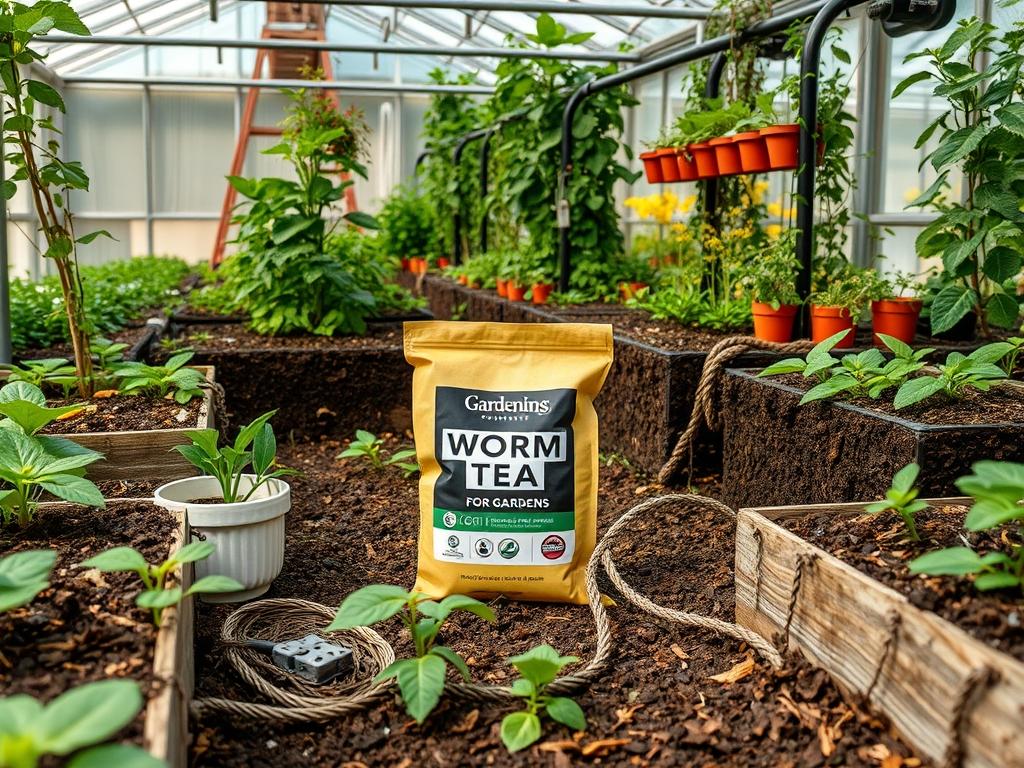
Achieving a high-performance landscape requires more than just aesthetic planning; it demands a deep understanding of the biological health of the soil. Professional landscape architects focus on the structural integrity of the outdoor environment, yet the long term success of any installation depends on the invisible subterranean ecosystem. When developing premium outdoor spaces, the challenge often lies in maintaining vibrant foliage and resilient turf in varying climate conditions. One of the most effective, sustainable methods to enhance this vitality is the integration of Worm Tea for Gardens. This nutrient dense liquid, derived from vermicompost, serves as a biological catalyst that transforms sterile backyards into thriving, self-sustaining habitats. By prioritizing soil health through organic amendments, designers can ensure that curb appeal remains high and that the functional aspects of the garden, such as biodiversity and cooling effects, are maximized throughout the year.
The architectural foundation of a garden is built on more than just stone and timber. It is rooted in the nutrient cycling of the earth. High-end residential projects often involve significant earthworks and grading, which can strip away the essential topsoil and microbial life needed for plant health. Recovering this lost vitality is a priority for any consultant aiming for a lush, professional finish. Using liquid vermicompost allows for a targeted application of beneficial microbes directly to the root zones of expensive specimen trees and delicate ornamental borders. This approach bridges the gap between traditional landscaping and advanced ecological restoration, providing a sophisticated solution for the modern homeowner.
Landscape Design Principles
When designing a professional landscape, symmetry and focal points define the initial visual impact. A well placed Japanese Maple or a structured row of Boxwood creates a sense of order and permanence. However, the visual balance of these elements is compromised if the plants exhibit chlorosis or stunted growth due to poor nutrient uptake. Incorporating liquid organic fertilizers into the design phase allows for better elevation layers. By ensuring the soil is biologically active, the vertical progression from ground covers to mid-story shrubs and canopy trees remains consistent and healthy.
Irrigation planning is another pillar of professional landscape design. Modern systems often incorporate fertigation units, which allow for the metered delivery of liquid amendments like Worm Tea for Gardens. By integrating these biological solutions into the hardscaping and irrigation infrastructure, maintenance becomes streamlined. Walkways and transition zones should also be considered. Using permeable pavers alongside garden beds treated with microbial teas helps manage runoff while ensuring that the moisture reaching the soil is packed with beneficial bacteria. This holistic view of the garden as a living machine ensures that every design element, from retaining walls to turf zones, works in harmony.
Plant and Material Selection
Selecting the right plant material is critical for durability and design intent. The following table outlines several common landscape plants and their requirements, emphasizing how they interact with high-quality soil amendments.
| Plant Type | Sun Exposure | Soil Needs | Water Demand | Growth Speed | Maintenance Level |
| :— | :— | :— | :— | :— | :— |
| Boxwood Shrubs | Full to Partial | Well-drained | Moderate | Slow | High (Pruning) |
| Hosta Varieties | Full Shade | Rich/Organic | High | Medium | Low |
| Native Grasses | Full Sun | Poor to Sandy | Low | Fast | Very Low |
| Hydrangeas | Partial Sun | Moist/Loamy | High | Moderate | Medium |
| Fruit Trees | Full Sun | Deep/Humus | Medium | Moderate | High |
| Perennial Salvia | Full Sun | Gritty/Dry | Low | Fast | Low |
Materials used in the brewing of worm tea should be of professional grade. This includes high-quality worm castings, unsulphured molasses to feed the bacteria, and dechlorinated water. Using these specific materials ensures that the resulting tea is free from pathogens and rich in the aerobic bacteria necessary for superior plant growth.
Implementation Strategy
Implementing a professional vermicompost tea program begins with the site analysis. Before any tea is applied, the landscape must be properly graded to prevent pooling. Effective drainage is the precursor to successful fertilization. Once the site is prepared, create a “brewing station” in a shaded utility area of the property. For a standard residential lot, a 32-gallon container equipped with high-output air stones is recommended. This setup ensures the liquid remains oxygenated. Anaerobic conditions must be avoided, as they produce harmful acids and unpleasant odors that can damage plant tissue.
The first step in the layout is the application of a deep 3-inch layer of organic mulch. This mulch acts as a sponge, holding the worm tea and providing a habitat for the microbes to flourish. During the planting phase, use the tea as a root drench for all new installations. This reduces transplant shock significantly. For established gardens, use a backpack sprayer to apply the tea as a foliar feed. The stomata on the leaves absorb nutrients directly, while the microbes help suppress common fungal diseases. This dual-action strategy ensures that the functional goals of the landscape, such as shade production and privacy screening, are met rapidly.
Common Landscaping Failures
One of the most frequent failures in landscape management is the over-reliance on synthetic high-nitrogen fertilizers. While these provide a quick green-up, they often lead to soil compaction and the destruction of the natural soil web. Over time, the soil becomes a hard, lifeless medium that repels water rather than absorbing it. Another common mistake is improper spacing. When plants are crowded, airflow is restricted, leading to powdery mildew and pest infestations. Using Worm Tea for Gardens as a foliar spray can mitigate some of these issues, but it cannot replace the need for professional-grade spacing and planning.
Drainage mistakes also rank high among landscaping failures. If a site is not graded correctly, even the best organic treatments will wash away or cause root rot in stagnant water. Furthermore, many contractors fail to account for the root spread of large canopy trees. This leads to root overcrowding and competition for resources. A professional consultant uses liquid vermicompost to ensure that even in competitive environments, the available nutrients are highly bioavailable, allowing multiple layers of vegetation to coexist without the usual signs of stress or nutrient deficiency.
Seasonal Maintenance
Landscape management shifts with the solar cycle. In the spring, focus on waking up the soil. This is the optimal time for a heavy application of worm tea to stimulate new root growth and prepare the plants for the heat of the summer. Ensure that all irrigation lines are flushed and that any winter debris is cleared from the base of the plants to allow the tea to penetrate the root zone effectively.
Summer maintenance involves managing heat stress. Applying a diluted version of the tea during the early morning hours can help plants retain moisture and resist wilting. In the autumn, the goal shifts to dormancy preparation. High-phosphorus worm tea applications help strengthen the cellular structure of woody perennials before the first frost. Winter is a time for evaluation. While the plants are dormant, the consultant should review the past year’s growth and adjust the brewing schedule. During this time, maintaining a healthy mulch layer is paramount to protecting the microbial colonies established during the warmer months.
Professional Landscaping FAQ
How often should I apply worm tea to my garden?
For residential landscapes, a bi-weekly application during the growing season is ideal. This frequency maintains a consistent microbial population in the soil without overwhelming the nitrogen balance. Focused applications should occur during the spring flush and mid-summer heat.
Can worm tea burn my delicate ornamental plants?
Unlike synthetic fertilizers, worm tea is highly unlikely to burn plants. It contains low levels of salts and gentle, organic nutrients. You can apply it safely to everything from delicate ferns to robust oak trees without risk of foliage damage.
What is the best time of day for application?
Early morning is the most effective time for application. This allow the liquid to soak into the root zone and leaves before the sun reaches its peak. Applying in the evening is also possible, provided there is enough airflow to prevent moisture-related fungus.
Do I need special equipment to apply worm tea?
A basic pump sprayer or watering can is sufficient for small areas. For larger estates, a commercial-grade diaphragm pump and hose reel system ensure even coverage across expansive turf and garden beds without clogging the nozzles with organic particulates.
Does worm tea replace the need for compost?
Worm tea is a supplement, not a total replacement for solid compost. While it provides an immediate boost of microbes and soluble nutrients, solid compost offers long-term structure and organic matter that sustains the soil over many years. Both should be used.