
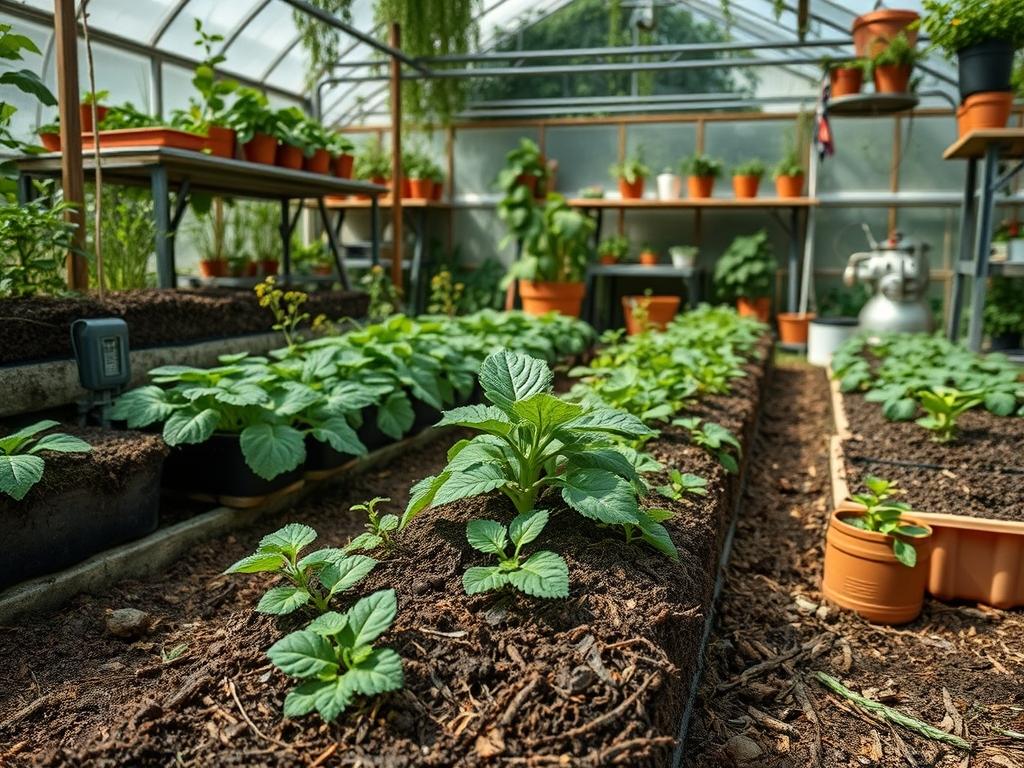
Integrating the stately Althaea officinalis, commonly known as the marshmallow plant, into a modern landscape requires a nuanced understanding of hydraulic properties and structural aesthetics. Most homeowners encounter a significant challenge when attempting to fill damp, low-lying areas of their property where traditional ornamental species might succumb to root rot. However, for a landscape architect, these zones represent an opportunity to utilize the marshmallow as both a functional and visual asset. Achieving a high level of curb appeal with this species depends heavily on your ability to provide the best soil for marshmallow, which balances high moisture retention with enough porosity to prevent stagnant anaerobic conditions. This plant acts as a vertical anchor in the garden, reaching heights of four to five feet, making it an ideal candidate for softening the hard lines of a retaining wall or adding texture to a backyard perimeter.
The success of any outdoor environment relies on the marriage of form and function. When planning a site that includes Althaea, we consider the plant not just as a botanical specimen but as a structural component. It offers a soft, velvety texture that contrasts beautifully against rigid hardscaping elements like flagstone paths or wrought iron fencing. Because the marshmallow prefers riparian environments, the landscape plan must account for the natural topography of the land. We often use these plants to stabilize transition zones between active lawn areas and naturalized water features or swales. By understanding the specific geological needs of the species, we can transform a problematic, soggy corner of a lot into a lush, flowering focal point that enhances the overall property value and ecological health of the site.
Landscape Design Principles
In professional landscape architecture, we prioritize the concept of elevation layering to create depth and visual interest. The marshmallow plant serves as an exceptional “back of the border” species due to its tall, upright habit. When designing a perennial bed, we apply the principle of symmetry by flanking entryways or arbors with these soft pink blooms, creating a sense of formal elegance. Alternatively, for a more naturalistic “meadow” look, we group them in clusters of three or five to mimic their growth patterns in the wild. This grouping creates a powerful focal point that draws the eye upward, breaking the monotony of lower-growing groundcovers or turf.
Visual balance is achieved by pairing the coarse, fuzzy foliage of the marshmallow with fine-textured neighbors like ornamental grasses or ferns. Irrigation planning is perhaps the most critical design principle when dealing with this species. To maintain the best soil for marshmallow conditions, we often design a dedicated drip irrigation zone that can provide consistent hydration without oversaturating the surrounding Mediterranean or xeric plants. Furthermore, the placement of walkways should be considered carefully; placing stepping stones near marshmallow drifts allows for close-up appreciation of the delicate flowers while preventing the soil compaction that occurs from foot traffic in moist areas.
Plant and Material Selection
Selecting the right companions and substrate materials is vital for a cohesive landscape. The following table outlines the requirements for Althaea officinalis and complementary species often used in similar hydrological zones.
| Plant Type | Sun Exposure | Soil Needs | Water Demand | Growth Speed | Maintenance Level |
| :— | :— | :— | :— | :— | :— |
| Althaea officinalis | Full Sun / Part Shade | Rich Loam, Moist | High | Fast | Moderate |
| Iris pseudacorus | Full Sun | Heavy Clay, Wet | Very High | Fast | Low |
| Carex elata | Part Shade | Silty Loam, Damp | High | Medium | Low |
| Hibiscus moscheutos | Full Sun | Rich Organic, Wet | High | Fast | Moderate |
| Monarda didyma | Full Sun / Part Shade | Fertile Loam, Moist | Medium-High | Fast | Moderate |
For the “best soil for marshmallow” construction, we recommend a blend of aged compost, peat moss or coconut coir, and a small percentage of coarse sand. This mixture ensures that the cation exchange capacity remains high, allowing the plant to access necessary nutrients while maintaining the “spongy” texture that Althaea roots prefer for expansion.
Implementation Strategy
The transition from a design on paper to a physical landscape requires a systematic approach to site preparation. First, identify the grading of the area. If the site is too steep, water will runoff before it can penetrate the root zone; if it is a true depression, you may need to install a French drain nearby to ensure the water stays fresh rather than stagnant. Once the site is graded, we recommend excavating the planting area to a depth of 18 inches. This allows for the removal of poor native subsoil and the introduction of a high-quality loam mixture.
Incorporating organic matter is the next step. Spread a 4-inch layer of leaf mold or well-rotted manure over the area and incorporate it into the top 12 inches of soil using a spading fork. After the soil is prepped, position the Althaea root balls at the same depth they were in their nursery containers. Spacing is critical; leave at least 24 to 36 inches between plants to allow for air circulation, which prevents fungal issues. Once the plants are in the ground, apply a 3-inch layer of hardwood mulch or pine bark. This mulch layer is essential for temperature regulation and moisture conservation. Finally, install your edging material, such as steel edging or poured concrete curbs, to keep the rich marshmallow soil from migrating into the lawn or gravel paths.
Common Landscaping Failures
One of the most frequent mistakes in managing Althaea is failing to address soil compaction. In high-traffic areas, the heavy clay often found in suburban backyards becomes pressed down, squeezing out oxygen and preventing the deep taproot of the marshmallow from establishing. This results in stunted growth and a lack of flowering. Another common failure is an “all or nothing” approach to irrigation. While the plant loves moisture, it cannot survive in a permanent anaerobic swamp where the water never moves or refreshes. Drainage must be “slow but sure.”
We also see many homeowners underestimate the spacing requirements. A healthy Althaea colony will expand rapidly; overcrowding leads to powdery mildew and weak, spindly stalks that fall over during summer storms. Proper staking with bamboo poles or garden twine can mitigate some height issues, but the best solution is proper initial placement. Lastly, using the wrong type of mulch can be detrimental. Fine-textured mulches can sometimes mat down and create a waterproof barrier, preventing the very hydration the marshmallow requires. Always use a coarse, breathable organic mulch.
Seasonal Maintenance
Landscape management is a year-round commitment. In the spring, your focus should be on soil health. As the ground thaws, pull back the mulch and apply a slow-release balanced fertilizer or a fresh layer of compost. This is also the time to check the irrigation lines for leaks or clogs. As summer progresses, monitor the leaf turgidity. If the marshmallow leaves begin to droop in the afternoon sun, increase the frequency of your watering schedule. Deadheading the spent blooms can encourage a second flush of flowers and prevent the plant from becoming too top-heavy.
In autumn, the architectural structure of the marshmallow begins to fade. Once the foliage has turned yellow or brown after the first frost, use bypass pruners to cut the stalks down to about 6 inches above the soil line. This prevents pests from overwintering in the hollow stems. Apply a fresh layer of mulch to protect the crown from “frost heaving” during the winter. During the winter months, your primary task is “passive monitoring.” Ensure that heavy snow piles from cleared walkways are not dumped directly onto the marshmallow beds, as the weight and road salt can damage the dormant crowns and alter the soil chemistry.
Professional Landscaping FAQ
What is the ideal pH for marshmallow plants?
The best soil for marshmallow maintains a pH between 6.0 and 7.5. They are remarkably adaptable but prefer slightly alkaline to neutral conditions. If your soil is too acidic, incorporate a small amount of dolomitic lime during spring preparation.
Can marshmallow grow in heavy clay soil?
While they can tolerate clay, it is not ideal. Heavy clay should be amended with gypsum and organic compost to improve aeration. Without these amendments, the dense soil can restrict the development of the plant’s significant taproot system.
How much sun does a marshmallow plant actually need?
For the most robust stalks and maximum flowering, full sun is required, meaning at least six hours of direct light. In hotter climates, they will appreciate filtered afternoon shade to prevent the foliage from scorching or wilting excessively.
Do I need to install a drainage system for them?
If your yard has standing water for more than 48 hours after a rain, a drainage solution is necessary. While they like wet soil, stagnant water can lead to root pathogens. A gentle slope or swale is usually sufficient.
What type of mulch is best for these moisture-loving plants?
Use a coarse wood chip or shredded bark mulch. These materials provide the necessary insulation and moisture retention while still allowing the soil to breathe. Avoid plastic or landscape fabric, which can overheat the soil and restrict gas exchange.