Successfully integrating specialized botanicals like Glycyrrhiza glabra into a professional landscape design requires an understanding of both aesthetic architecture and underground biology. For most homeowners and commercial developers, the primary goal of any outdoor project is to enhance curb appeal while ensuring long term functionality. However, when the design calls for deep-rooted perennials, the standard topsoil approach is often insufficient. Achieving the right balance between lush foliage and a sustainable root environment depends heavily on a process known as Licorice Soil Prep. This specific preparation focuses on creating an environment where deep taproots can thrive without the risk of stagnant water or anaerobic conditions. If the soil is too dense or the drainage is poorly managed, even the most expensive specimens will suffer from stunted growth or systemic rot within the first two seasons.
Designers must view the garden as a multi-dimensional space where the visible greenery is only as healthy as the sub-surface infrastructure. High-end landscaping isn’t just about the surface layer of mulch or the arrangement of retaining walls. It is about managing the transition between various soil horizons to support specific plant behaviors. For species that require extensive root room, the excavation and backfill process becomes the most critical phase of the installation. By prioritizing deep sand and high-quality drainage systems, architects can create a landscape that resists compaction and handles heavy rainfall with ease, ensuring that the outdoor living space remains both beautiful and structurally sound for years.
Landscape Design Principles
When planning a layout that incorporates deep-rooted species, symmetry and visual balance must be grounded in physical reality. We often use the concept of elevation layers to create depth. By placing larger, thirstier plants in lower zones and drought-tolerant, deep-rooted plants on slightly higher ground, we can use gravity to our advantage. The Licorice Soil Prep method thrives in this elevated context. Creating gentle slopes or using raised beds ensures that water moves away from the crown of the plant, preventing the fungal issues that plague flat, poorly graded sites.
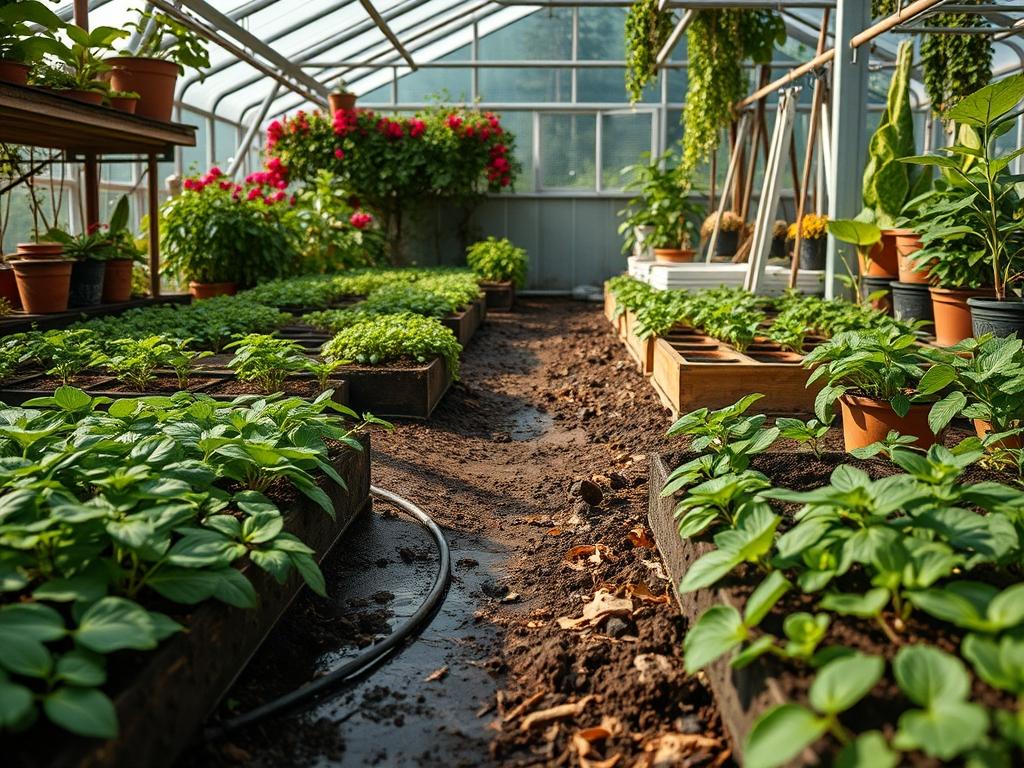
Focal points should be strategically placed where the soil depth is at its maximum. For instance, a central garden bed featuring Glycyrrhiza glabra or similar statuesque perennials benefits from being surrounded by lower-profile walkways or stone pavers. This creates a clean visual hierarchy. Irrigation planning is also vital; professional designs often utilize drip irrigation systems buried 3 to 4 inches below the surface. This targets the root zone directly while keeping the top layer of sand dry, which discourages weed germination and maintains the crisp aesthetic of the garden.
Plant and Material Selection
The following table outlines the requirements for plants that typically pair well with the deep sand and high-drainage requirements of a professional licorice-based soil profile.
| Plant Type | Sun Exposure | Soil Needs | Water Demand | Growth Speed | Maintenance Level |
| :— | :— | :— | :— | :— | :— |
| Licorice (G. glabra) | Full Sun | Deep Sand/Loam | Moderate | Fast | Medium |
| Lavender (Angustifolia) | Full Sun | Alkaline/Sandy | Low | Moderate | Low |
| Russian Sage | Full Sun | Well-Drained | Low | Fast | Low |
| Baptisia | Partial/Full | Deep Loam | Moderate | Slow | Medium |
| Rosemary | Full Sun | Gritty/Sandy | Low | Moderate | Low |
Implementation Strategy
The successful execution of Licorice Soil Prep begins with a thorough site analysis. Before any plants arrive, the area must be excavated to a depth of at least 24 to 36 inches. This deep-trenching approach allows the long taproots to penetrate without hitting a “hard pan” layer of clay or compacted subsoil. Once the site is cleared, a base layer of crushed stone or coarse gravel is often installed at the bottom of the trench to facilitate vertical drainage.
After the drainage base is set, the main backfill consists of a specific blend. A ratio of 60% coarse sand, 20% organic compost, and 20% native topsoil is frequently recommended. This mixture ensures that while the soil remains loose enough for root expansion, it still retains enough nutrients to sustain the plant during its peak growing season. As the soil is layered back into the trench, it should be lightly tamped to remove large air pockets, though over-compaction must be avoided at all costs.
Final grading involves creating a slight crown in the center of the planting bed. This ensures that surface runoff moves toward the edging or French drains rather than pooling around the plant stems. A 3-inch layer of wood chip mulch or pea gravel is applied to the surface to regulate soil temperature. This layer acts as an insulator, keeping the deep roots cool during the summer while preventing the light, sandy soil from eroding during heavy spring rains.
Common Landscaping Failures
The most frequent mistake in specialized soil preparation is the “bathtub effect.” This occurs when a hole is dug in heavy clay soil and filled with a sandy mix without providing a drainage exit. Water enters the sandy pocket and sits at the bottom, unable to penetrate the surrounding clay, which eventually drowns the roots. Landscape architects avoid this by ensuring that every planting zone has an identified drainage path, either through natural slope or sub-surface plumbing.
Another common failure is the use of fine play sand instead of coarse builder’s sand. Fine sand can actually contribute to compaction, as the small particles fill the gaps between larger soil components, creating a concrete-like density. This inhibits oxygen flow to the roots. Furthermore, many contractors fail to account for soil settling. In deep-prep scenarios, the soil may sink by 10% to 15% over the first year. Failing to over-fill the beds slightly can lead to low spots that collect water, undermining the entire purpose of the high-drainage design.
Seasonal Maintenance
In the spring, maintenance focuses on replenishing nutrients that may have leached through the sandy soil over the winter. Applying a balanced slow-release fertilizer or a fresh 1-inch layer of compost helps kickstart growth. This is also the time to inspect irrigation lines for leaks, as even a small break can lead to localized soil erosion in a sandy environment.
Summer management involves monitoring moisture levels. While the deep sand prep is designed for drainage, it also dries out faster than clay. During extreme heat, deep watering twice a week is more effective than daily shallow mists. This encourages the roots to stay deep in the soil where temperatures are more stable. In the autumn, the primary task is clearing debris and cutting back dead stalks to prevent pests from overwintering in the foliage. For winter, especially in colder climates, a thicker layer of straw mulch can protect the crown of the plants from frost heave, which is a risk in loose, sandy soils that undergo frequent freeze-thaw cycles.
Professional Landscaping FAQ
Why is deep sand necessary for licorice plants?
Licorice develops extensive taproots and stolons that can reach several feet underground. Coarse sand provides the loose structure required for these roots to expand without resistance, ensuring a healthy and productive plant.
How do I fix poor drainage in a flat yard?
The most effective solution is installing a French drain or a dry creek bed. These features redirect water away from planting zones toward a lower exit point or a specialized dry well infrastructure.
Can I use regular potting soil for Licorice Soil Prep?
Potting soil is generally too light and decomposes too quickly for deep-trench prep. A custom blend of coarse sand, native soil, and compost provides the structural integrity needed for long term perennial growth.
Does sandy soil require more fertilizer?
Yes, because sandy soil drains quickly, it also leaches nutrients faster than heavier soils. Using organic matter and slow-release granules helps maintain a consistent nutrient supply without overwhelming the plant.
What is the best mulch for high-drainage gardens?
Pea gravel or shredded bark are excellent choices. Gravel is ideal for heat retention and drainage, while bark provides organic replenishment as it breaks down. Always maintain a depth of 2 to 3 inches.