
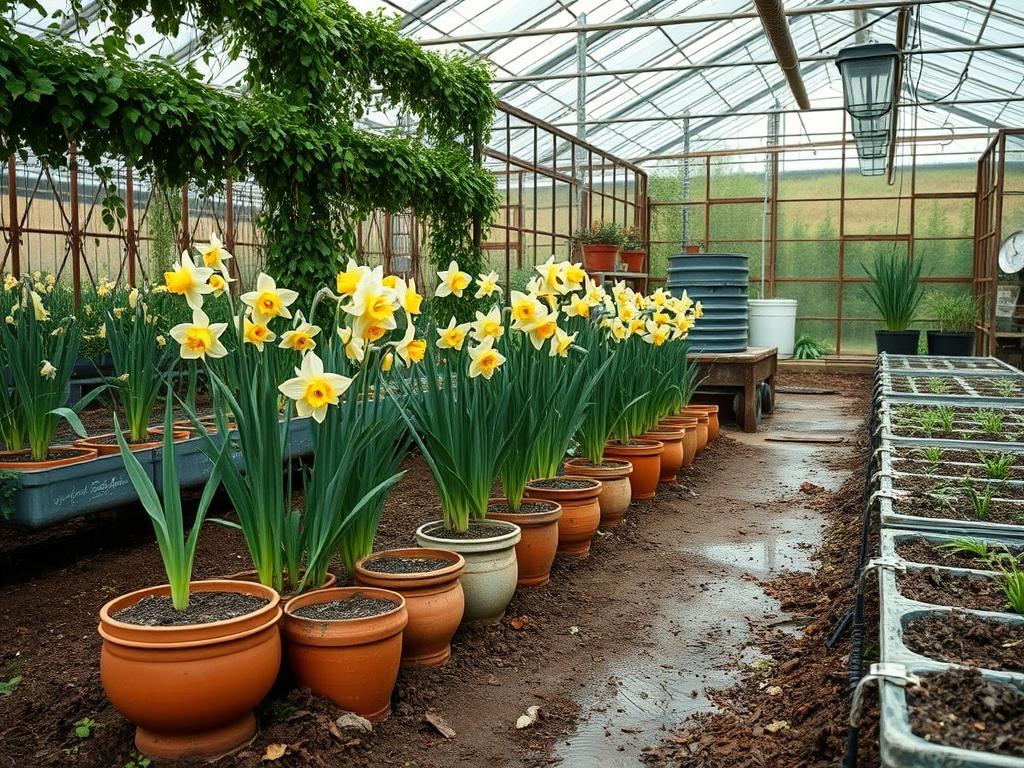
Success in high-end residential landscaping often hinges on the elements the viewer never sees. While a vibrant sweep of yellow across a vernal meadow provides immediate curb appeal, the longevity of that display is dictated entirely by the subterranean environment. As a landscape architect, I approach the installation of Narcissus not merely as a planting task but as an engineering project. The foundational challenge involves balancing aesthetic goals with rigorous technical standards, particularly regarding drainage and soil composition. When we discuss Daffodil Soil Requirements, we are looking at the intersection of soil chemistry, physical structure, and site hydrology. A well-planned garden must provide a functional outdoor environment that thrives with minimal intervention over a twenty year lifespan. This requires a deep understanding of how specific soil types interact with bulb physiology to prevent rot and encourage natural doubling.
LANDSCAPE DESIGN PRINCIPLES
Integrating daffodils into a professional site plan requires an eye for visual balance and seasonal transitions. We utilize symmetry to frame entryways, using repeated clusters of Trumpet Daffodils to guide the eye toward a focal point, such as a custom sculpture or a primary architectural entrance. However, the most successful designs often lean into naturalized drift patterns. By throwing handfuls of bulbs and planting them where they land, we mimic the irregular beauty of a mountain meadow, which softens the rigid lines of modern hardscaping.
Elevation plays a critical role in how these plants are perceived. We often utilize retaining walls to create raised planting pockets. This achieves two goals. First, it brings the fine detail of smaller varieties, like Narcissus cyclamineus, closer to the viewer’s eye level. Second, and more importantly for the health of the bulb, it allows us to exert total control over the Daffodil Soil Requirements by bypassing poor native subsoil. By elevating the planting bed, we use gravity to assist in drainage, ensuring that the bulbs never sit in stagnant water during their summer dormancy.
Walkways and pedestrian circulation paths must also be considered. We typically set bulb drifts at a setback of at least 12 inches from any stone or concrete path. This prevents the delicate foliage from being crushed by foot traffic and provides a buffer for the heat that radiates off hard surfaces during late spring. Visual layering is the final touch. We place taller species in the background of the border, using mid-size varieties to bridge the gap toward low-growing groundcovers. This creates a vertical tapestry that maximizes the impact of the early season bloom.
PLANT AND MATERIAL SELECTION
| Plant Type | Sun Exposure | Soil Needs | Water Demand | Growth Speed | Maintenance |
| :— | :— | :— | :— | :— | :— |
| Dutch Master Daffodil | Full Sun | Well-drained Loam | Moderate | Medium | Low |
| Tete-a-Tete (Miniature) | Full to Part Sun | Gritty/Sandy | Low | Fast | Minimal |
| Creeping Phlox | Full Sun | Neutral pH | Moderate | Fast | Moderate |
| Hellebores | Part Shade | Rich Organic | Moderate | Slow | Low |
| Blue Giant Perennial Scilla | Full to Part Sun | Loose, Friable | Low | Medium | Minimal |
IMPLEMENTATION STRATEGY
The installation process begins with site grading to ensure that surface water moves away from the primary planting zones. For a standard backyard layout, we recommend a slope of at least 2 percent. If the site consists of heavy clay, which is the primary enemy of Daffodil Soil Requirements, we must amend the soil or install a French drain system. We typically excavate the entire planting bed to a depth of 12 inches rather than digging individual holes. This allows for a uniform distribution of nutrients and prevents the “bathtub effect” where water collects in a single loosened hole surrounded by compacted clay.
Once the bed is excavated, we mix the native soil with leaf mold, coarse sand, and well-rotted compost. The ideal texture is a friable sandy loam. We then incorporate a slow-release 10-10-10 fertilizer or bone meal into the bottom of the trench. The bulbs are placed with the basal plate facing down, spaced roughly 6 inches apart for a dense look. The depth is crucial; we aim for a depth of 6 to 8 inches from the base of the bulb to the soil surface. After the bulbs are set, we backfill the hole and apply a 3-inch layer of shredded hardwood mulch. This mulch regulates soil temperature, preventing the freeze-thaw cycles that can heave bulbs out of the ground in late winter.
For projects involving retaining walls, we ensure the backfill behind the wall consists of a highly porous aggregate topped with at least 18 inches of engineered planting soil. This specialized mix guarantees that the Daffodil Soil Requirements are met even in urban environments where native soil is often contaminated or overly compacted. Proper edging, using steel edging or Belgian block, keeps the turf grass from encroaching on the bulb beds, maintaining a clean architectural line.
COMMON LANDSCAPING FAILURES
The most frequent failure in professional bulb planting is improper drainage. If the soil remains saturated for more than a few hours after a heavy rain, the bulbs will succumb to fungal rot. We often see contractors mistake “rich soil” for “good soil.” Soil that is too high in uncomposted organic matter can hold excessive moisture, which leads to the demise of the Narcissus colony within two seasons. Another common error is soil compaction caused by heavy machinery during the construction phase of a landscape. If the soil structure is destroyed, the roots cannot penetrate the earth to access nutrients, and the bulbs essentially starve.
Improper spacing and depth also contribute to long-term failure. Planting too shallowly, perhaps only 2 or 3 inches deep, exposes the bulbs to temperature fluctuations and mechanical damage from gardening tools like a hoe or rake. Conversely, overcrowding leads to a rapid decline in bloom quality. As the bulbs multiply, they compete for limited resources. Professionals avoid this by planning for a thinning schedule every four to five years to maintain the vigor of the stand. Finally, the premature removal of foliage is a catastrophic design mistake. The leaves must remain until they turn yellow to allow the bulb to store energy for the following year.
SEASONAL MAINTENANCE
Spring management begins with the first signs of emergence. We monitor the soil moisture and provide supplemental irrigation if the late winter has been unusually dry. Once the flowers fade, we perform deadheading, which is the removal of the spent flower head and the developing seed pod. This directs the plant’s energy back into the bulb rather than into seed production.
During the summer, the daffodils enter a period of dormancy. This is the time when the Daffodil Soil Requirements change significantly. The soil should be allowed to dry out. Excessive irrigation for nearby annuals can rot the dormant bulbs. We often use drought-tolerant companion plants to minimize the need for water during this window. In the autumn, we refresh the mulch layers and apply a secondary top-dressing of compost. This is also the ideal time for “planting in,” which involves adding new varieties to an existing landscape.
Winter maintenance is largely hands-off, provided the initial planning was sound. The primary goal is to protect the soil structure from extreme cold. A thick layer of pine bark mulch or evergreen boughs can be used in colder climates to prevent the soil from cracking. We avoid using heavy salt for ice melt near these beds, as high salinity can damage the emerging shoots and alter the soil pH, making it difficult for the plants to absorb nutrients when spring arrives.
PROFESSIONAL LANDSCAPING FAQ
What is the ideal pH for daffodil success?
Daffodils prefer a slightly acidic to neutral environment, specifically a 6.0 to 7.0 pH range. If your soil is too alkaline, apply sulfur; if too acidic, use dolomitic lime to balance the chemistry before planting.
How do I improve drainage in heavy clay?
Incorporate a significant amount of coarse grit and organic compost to a depth of 12 inches. In extreme cases, create a raised berm or install subterranean drain tile to move water away from the root zone.
Can I plant daffodils under large shade trees?
Yes, because daffodils complete their growth cycle before most deciduous trees fully leaf out. However, ensure the soil is not overly dry due to tree root competition. Supplemental autumn feeding is often necessary in these locations.
What is the best mulch for bulb beds?
A 2 to 3 inch layer of shredded hardwood mulch or pine needles works best. These materials allow for air exchange while suppressing weeds and retaining a consistent moisture level in the upper soil horizons.
Why did my daffodils fail to bloom this year?
The most likely causes are “blind” bulbs resulting from premature foliage removal last season, overcrowding, or poor Daffodil Soil Requirements. High-nitrogen fertilizers can also promote leaf growth at the expense of flower development.