
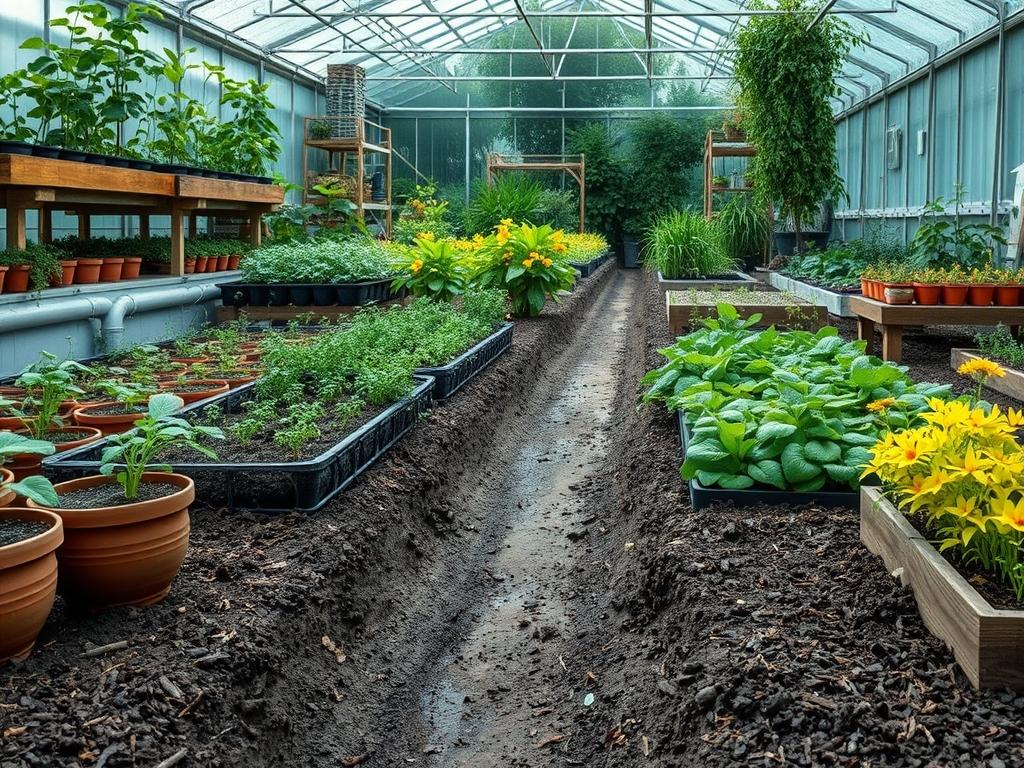
Every landscape architect understands that the most breathtaking garden design is only as resilient as the soil supporting it. When we approach a new project, we look beyond the aesthetic arrangement of perennials and natural stone; we look at the chemistry of the earth itself. In many temperate climates, heavy rainfall and organic decomposition naturally lead to acidic soil conditions, which can stunt the growth of curated ornamental displays and weaken the structural integrity of a lawn. To combat this, professional designers are increasingly looking toward ancestral methods of soil remediation, specifically the strategic application of wood ash. This byproduct of residential heating and outdoor fire pits serves as a localized, nutrient-dense amendment that enhances curb appeal by balancing soil pH and providing vital minerals. When integrated correctly, the wood ash soil benefits extend far beyond simple fertilization, acting as a catalyst for a more vibrant, functional, and sustainable outdoor environment.
Efficient landscaping requires a holistic view of how property owners interact with their environment. A garden should not just be a static image but a workspace and a sanctuary. Achieving this level of functionality requires a deep understanding of soil drainage, elevation, and the specific needs of the local flora. Wood ash, often referred to as white gold in horticultural circles, contains high concentrations of calcium carbonate, potassium, and magnesium. These elements are essential for root development and cellular strength, particularly in large-scale installations where plants must compete for resources. By utilizing wood ash to refine the soil profile, we can ensure that the investment made in high-end nursery stock yields long-term results, preventing the yellowing and die-back often associated with nutrient deficiencies or overly acidic substrates.
Landscape Design Principles
In the realm of professional landscape design, several core principles dictate the success of a project. Symmetry and balance are perhaps the most vital, as they provide the visual cues that guide an observer’s eye through the space. When planning a site, we often use focal points, such as a large Specimen Tree or a structural Retaining Wall, to anchor the design. The health of these focal points is paramount; a dying tree in a central courtyard destroys the intended symmetry. Applying wood ash to the base of alkaline-loving focal points ensures they remain robust and visually dominant throughout the growing season.
Elevation and layering also play a critical role in spatial orchestration. We utilize “foreground, mid-ground, and background” planting strategies to create depth. Lower layers often consist of groundcovers that require consistent mineral availability to carpet the area effectively. Furthermore, irrigation planning must align with these soil amendments. Because wood ash is highly soluble, it should be integrated into the soil in areas where controlled irrigation or natural drainage will not wash it away into sensitive waterways. By considering the topography of the land, an architect can place ash-enriched zones in high-visibility areas like walkways and entrance beds, where the boost in floral density will have the greatest impact on curb appeal.
Plant and Material Selection
Selecting the right plant for the right place is the signature of a seasoned consultant. Not all species appreciate the alkaline boost that wood ash provides. For example, acid-loving plants like Azaleas and Blueberries should never receive ash treatments. Conversely, many classic landscape staples thrive in the presence of these minerals.
| Plant Type | Sun Exposure | Soil Needs | Water Demand | Growth Speed | Maintenance Level |
| :— | :— | :— | :— | :— | :— |
| Lavender (Lavandula) | Full Sun | Well-drained, Alkaline | Low | Moderate | Low |
| Lilacs (Syringa) | Full Sun | Rich, Neutral to Alkaline | Medium | Fast | Moderate |
| Boxwood (Buxus) | Full/Partial Sun | Loamy, Well-drained | Medium | Slow | High |
| Clematis | Full Sun/Partial Shade | Moist, Calcium-rich | High | Fast | Moderate |
| Arborvitae | Full/Partial Sun | Moist, Deep Soil | Medium | Moderate | Low |
| Hydrangea Paniculata | Full/Partial Sun | Moist, Rich | High | Fast | Moderate |
Implementation Strategy
Implementing a wood ash strategy begins with a thorough Soil Test Kit analysis. Never apply ash blindly; you must know your baseline pH and nutrient levels to avoid “over-liming” the site. Once the needs are established, the landscape layout can be refined. Start by grading the area to ensure proper water runoff. Excess moisture combined with wood ash can create a lye-like caustic environment that might damage young roots, so drainage is essential.
For garden beds, the application rate should generally follow the “20 pounds per 1,000 square feet” rule of thumb, but this should be scaled based on your specific soil test results. Use a Broadcasting Spreader for large lawn areas to ensure even coverage. For individual shrubs, a Hand Trowel allows for precise placement. After spreading the ash, it should be lightly tilled into the top two inches of soil or covered with a three-fold layer of Hardwood Mulch. This prevents the fine particles from blowing away and helps the minerals percolate slowly toward the root zone. If you are working with hardscaping, ensure that ash does not accumulate on Pavers or Natural Stone, as the high alkalinity can occasionally cause staining or etching on certain porous materials.
Common Landscaping Failures
One of the most frequent mistakes in professional landscaping is the over-application of amendments. Excessive wood ash can raise the soil pH to levels where essential micronutrients like iron and manganese become “locked,” meaning the plants cannot absorb them regardless of how much fertilizer is applied. This often results in interveinal chlorosis, where leaves turn yellow while the veins stay green.
Another common failure involves improper spacing and root overcrowding. When designers ignore the “mature width” of a plant, the competition for soil nutrients becomes fierce. If wood ash is applied to an overcrowded bed, some plants may thrive while others are chemically burnt by the concentrated salt content of the ash. Additionally, poor drainage can lead to soil compaction. When wood ash is wet and then dried without being mixed into the soil, it can form a hard, cement-like crust. This barrier prevents oxygen and water from reaching the root systems, effectively suffocating the very plants you are trying to nourish.
Seasonal Maintenance
Landscape management is a year-round commitment. Each season requires a different approach to wood ash and general soil care to maintain a high-performance environment.
Spring: This is the primary window for soil testing and pH adjustment. Apply wood ash early in the spring before the heavy growth spurt begins. This allows time for the rain to move the calcium and potassium into the leaf-developing structures of your perennials.
Summer: During the heat of the summer, focus on irrigation management. Ash-treated soils can sometimes become more alkaline as water evaporates. Monitor your plants for signs of heat stress and ensure that the Drip Irrigation system is functioning at peak efficiency. Avoid applying fresh ash during mid-summer droughts.
Autumn: As the growing season winds down, incorporate wood ash into your Compost Bin. Mixing ash with brown leaves and green kitchen scraps helps neutralize the acidity of the decomposing organic matter, creating a “power-compost” for the following year. This is also the time to apply a light dusting of ash to the lawn to strengthen the grass roots before dormancy.
Winter: If you live in a region with heavy snow, wood ash can be used sparingly on Walkways as a traction aid and a mild ice melt. However, be cautious of the runoff once the snow melts. Store your dry wood ash in a Galvanized Steel Bucket with a tight-fitting lid to prevent it from clumping or leaching minerals before you are ready for the spring application.
Professional Landscaping FAQ
Can I use ash from any wood source in my garden?
No; only use ash from untreated, natural wood. Avoid charcoal briquettes, pressure-treated lumber, or painted wood, as these contain heavy metals and chemicals that will contaminate your soil and harm your ornamental plants.
How does wood ash compare to agricultural lime?
Wood ash acts more quickly than lime because of its fine particle size. However, it is only about half as effective at neutralizing acid, meaning you typically need twice as much ash by weight as you would lime.
Will wood ash help my lawn grow thicker?
If your soil is acidic, yes. It provides potassium, which is essential for drought resistance and stem strength in turfgrass. It also helps suppress certain types of moss that thrive in low-pH, nutrient-poor environments.
How often should I apply wood ash to my flower beds?
Application frequency depends entirely on soil testing. Generally, a light application every two years is sufficient for most landscapes. Over-applying can lead to nutrient imbalances that take years to correct through specialized acidification.
Is wood ash safe to use around pets and children?
Once incorporated into the soil and watered in, it is generally safe. However, raw ash is caustic and can irritate paws, skin, or lungs if inhaled. Always wear a Respirator and gloves during the application process.