
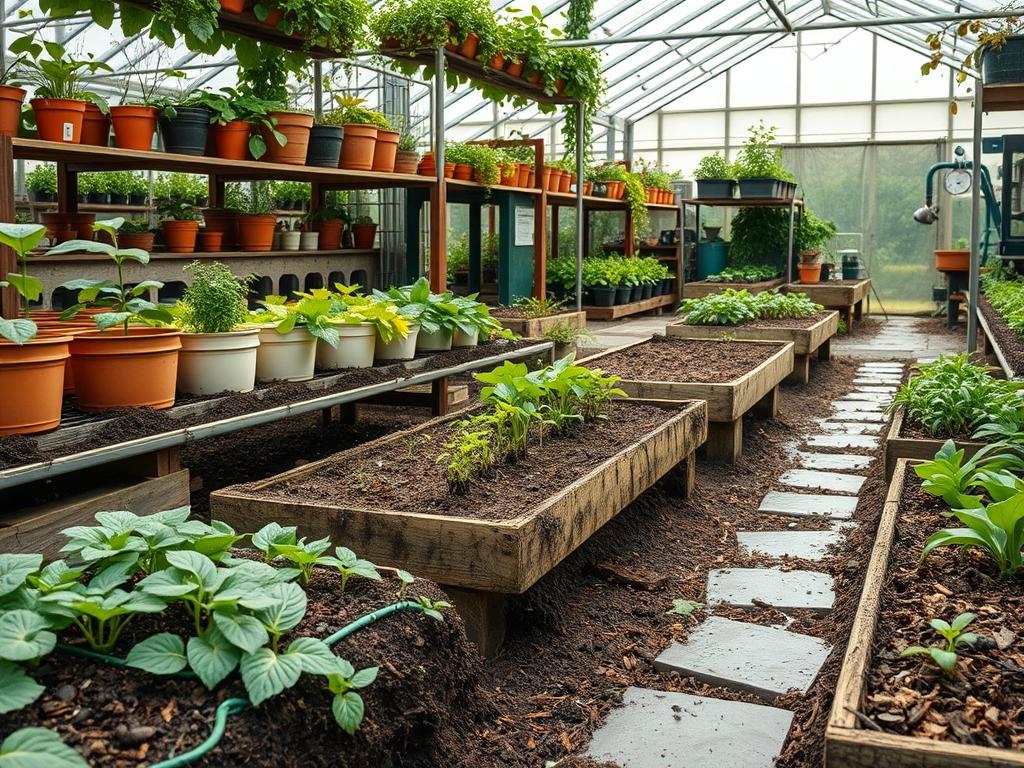
Landscaping is often perceived as a purely aesthetic endeavor, yet the most resilient outdoor environments are those built from the ground up, starting with the invisible ecosystem of the soil. When designing a high end residential or commercial landscape, the primary challenge is not merely selecting the right aesthetic elements but ensuring the biological foundation can support long term growth without heavy chemical intervention. A landscape that prioritizes building soil microbes achieves a level of natural fertility that reduces maintenance costs, improves curb appeal through vibrant plant health, and creates a functional outdoor space that withstands climate fluctuations. By shifting focus from synthetic inputs to the rhizosphere, landscape architects can design systems that are both beautiful and ecologically self sustaining. This biological approach facilitates deeper root systems and better water retention, ensuring that the investment made in expensive specimen trees and manicured garden beds pays off over decades rather than just a few seasons.
Landscape Design Principles
Effective landscape design requires a balance between mathematical precision and biological necessity. Symmetry and focal points often dominate the visual plan, but these elements must be supported by a functional subterranean network. When planning elevations and layers, consider how water moves across the site. Grading should not simply move water away from a structure; it should direct it toward planting zones where specialized soil microbes can thrive in moisture. Low areas can be transformed into rain gardens using bio-swales that filter runoff while supporting anaerobic and aerobic bacterial colonies.
Focal points like a centenary oak or a structured stone fountain serve as the anchors of a design, yet their health is tied to the fungal networks beneath. To create visual balance, use elevation layers starting with a vigorous groundcover, followed by mid-sized shrubs, and finally a high canopy. This layering mimics a natural forest edge, which is the most productive environment for mycorrhizal fungi. These fungi form symbiotic relationships with roots, extending the reach of the plant to scavenge for phosphorus and water.
Walkways and hardscaping should be planned with soil health in mind. Using permeable pavers or flagstones set in crushed limestone allows the soil to breathe. Traditional concrete slabs often create “dead zones” where soil compaction and lack of oxygen kill beneficial microbes. By integrating porous materials, you maintain the “soil skin,” allowing for gas exchange and moisture infiltration that keeps the surrounding garden beds fertile. Irrigation planning must move beyond simple spray heads; drip irrigation is preferred because it delivers water directly to the root zone without leaching away the delicate microbial glues that hold soil aggregates together.
Plant and Material Selection
| Plant Type | Sun Exposure | Soil Needs | Water Demand | Growth Speed | Maintenance Level |
| :— | :— | :— | :— | :— | :— |
| White Microclover | Full Sun / Part Shade | Any / Nitrogen Poor | Low | Fast | Very Low |
| Little Bluestem | Full Sun | Well-Drained | Very Low | Moderate | Low |
| Comfrey (Bocking 14) | Full Sun / Part Shade | Deep, Rich | Moderate | Fast | Moderate |
| Serviceberry | Sun / Part Shade | Loamy / Acidic | Moderate | Moderate | Moderate |
| Winterberry | Full Sun / Part Shade | Moist / Heavy Clay | High | Slow | Low |
| Bee Balm | Full Sun | Rich / Organic | Moderate | Fast | Moderate |
| Switchgrass | Full Sun | Deep / Sandy | Low | Fast | Low |
Implementation Strategy
The implementation of a microbe-centric landscape begins with a move away from traditional tilling. Tilling shatters the delicate fungal hyphae and introduces too much oxygen, which causes a bacterial bloom that rapidly consumes organic matter and leaves the soil depleted. Instead, utilize a sheet mulching or “lasagna gardening” technique. Begin by marking out your garden beds using a high quality edging tool to create a sharp, professional finish. Lay down a layer of plain brown cardboard to suppress weeds; this cardboard eventually breaks down and serves as food for carbon-demanding microbes and earthworms.
Once the base layer is set, apply 3 to 4 inches of high quality organic compost. This serves as the primary inoculant for your soil. For specific areas where you are planting high value trees, use a soil probe to check for compaction. If the soil is too dense, use a broadfork to aerate the ground without flipping the soil profile. When placing your plants, dust the root balls with a mycorrhizal inoculant powder. This ensures that the beneficial fungi are in direct contact with the roots from day one.
Drainage must be addressed during the initial grading phase. If the site has heavy clay, install a French drain system that redirects excess water to a gravel-filled sump or a dry creek bed. After the plants are in the ground, apply a layer of arborist wood chips at a depth of 2 to 3 inches. Avoid using “dyed” mulches, as the chemicals can be toxic to the soil biome. The wood chips will slowly decompose, providing a steady stream of carbon to the fungi, which in turn convert it into stable soil humus.
Common Landscaping Failures
The most frequent failure in professional landscaping is the over-reliance on synthetic high-nitrogen fertilizers. While these provide a quick “green up,” they act as salts that dehydrate and kill soil microbes. Over time, this leads to soil compaction and increased susceptibility to pests. Another common mistake is improper drainage planning. When soil remains saturated for too long, it becomes anaerobic, smelling like sulfur or rotten eggs. This condition kills beneficial aerobic bacteria and promotes root rot.
Root overcrowding is another issue, often caused by planting specimen trees in “teacup holes.” If a hole is dug into heavy clay and not properly transitioned, the roots will simply circle the hole rather than penetrate the surrounding soil. This leads to girdling roots and eventual tree failure. Proper spacing is also vital; planting too densely for “instant impact” reduces airflow and creates a breeding ground for pathogenic fungi. Finally, irrigation inefficiency often stems from frequent, shallow watering. This encourages roots to stay near the surface where they are vulnerable to heat, rather than diving deep into the microbially rich subsoil.
Seasonal Maintenance
Spring maintenance should focus on “feeding the fret.” As the soil warms to 55 degrees Fahrenheit, microbes become active. This is the ideal time to apply a compost tea drench to the entire landscape. This liquid biological finish boosts the population of beneficial microbes just as plants are entering their peak growth phase. Avoid heavy pruning until the first flush of leaves has hardened off, as as this allows the plants to maximize their energy output to the root zone.
Summer management is about moisture consistency. Soil microbes require a film of water to move and feed. If the soil dries out completely, microbial activity halts, and many beneficial organisms go into a dormant or cyst state. Maintain your mulch depth and ensure your irrigation system is set for deep, infrequent cycles. This encourages roots to follow the moisture downward, where soil temperatures are more stable.
Autumn is the most important season for building soil fertility. Rather than removing all fallen leaves, use a mulching mower to shred them into the lawn or move them into the garden beds. These leaves are “brown gold,” providing the exact nutrients the soil needs to recharge for the following year. Winter is a period of rest, but the soil is still alive. Apply a fresh layer of mulch if the ground is bare to protect the soil surface from the “freeze-thaw” cycle, which can physically rupture soil aggregates and damage the microbial habitat.
Professional Landscaping FAQ
How do I know if my soil has healthy microbes?
Look for indicators like earthworm activity, a dark earthy smell, and a crumbly soil structure. You can also perform a “slump test” where a ball of moist soil holds together but breaks apart with gentle pressure.
Can I use bark mulch around all types of plants?
Bark mulch is excellent for woody perennials and trees because it supports fungal growth. However, for annual flower beds or vegetable zones, a faster-breaking mulch like compost or straw is often more effective for bacterial dominance.
How long does it take to see results from microbial landscaping?
While some benefits like better water infiltration appear within months, it typically takes two to three growing seasons to see a fundamental shift in soil structure and a significant reduction in the need for external fertilizers.
Does pet waste affect the soil microbe balance?
Yes. High concentrations of pet waste can introduce harmful bacteria and excessive nitrogen salts that burn the soil biome. It is best to manage pet areas separately or use neutralizing limestone in high traffic zones.
Is it necessary to re-inoculate the soil every year?
In a well-managed landscape, no. Once the microbial community is established and provided with a consistent food source like mulch or leaf litter, the population will become self-sustaining and grow naturally over time.