
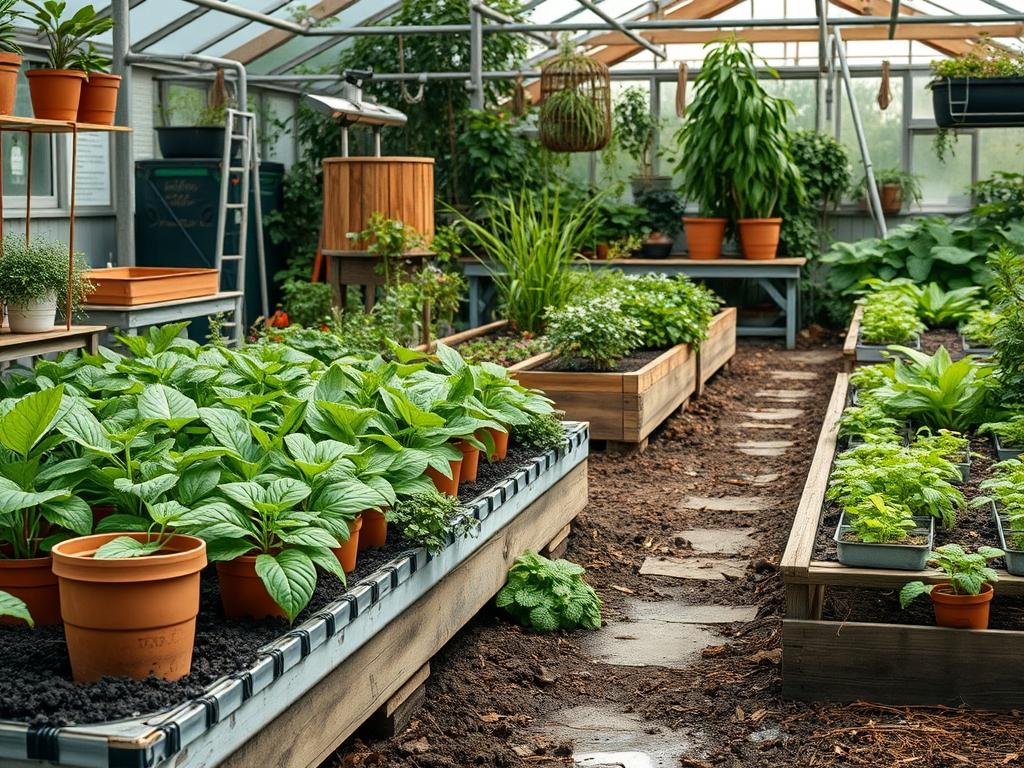
Successful landscape architecture begins long before the first skid steer touches the soil or the first boxwood is placed in its trench. It starts with a fundamental understanding of the biological engine that drives the entire outdoor environment. To a professional consultant, the aesthetic appeal of a property is merely the visible symptom of the health of the subterranean ecosystem. If the soil lacks the necessary structural and chemical balance, the most meticulously designed outdoor living space will eventually succumb to stagnation, disease, and structural failure. Central to this biological foundation is the Carbon to Nitrogen Ratio, a metric that dictates the rate of decomposition, the availability of nutrients, and the long term viability of every plant in the design. Balancing this ratio is not just a gardening hobby; it is a critical engineering requirement for high end residential and commercial landscapes.
The challenge in modern landscaping often lies in the desire for immediate results, which frequently conflicts with the slow requirements of soil maturation. When we specify a 30:1 ratio for compost and soil amendments, we are aiming for the sweet spot where microorganisms can thrive without competing with the plants for nitrogen. If the ratio exceeds this, perhaps reaching 50:1 through an overabundance of wood chips or sawdust, the nitrogen becomes immobilized. The visual result is a yellowing of the foliage and a failure of the turfgrass to knit together. Conversely, a ratio that is too low, such as 10:1, results in rapid nitrogen release that can burn sensitive root systems and produce a foul, anaerobic odor that ruins the luxury experience of a backyard retreat. A landscape architect must therefore treat compost as a precision material, similar to how one might specify the PSI of concrete for a retaining wall.
Landscape Design Principles
Effective landscape design is a multidisciplinary exercise in geometry, ecology, and civil engineering. Symmetry often serves as the primary tool for creating a sense of order and grandeur, particularly in formal entries. By mirroring columnar evergreens or limestone pavers, we guide the eye toward a central focal point, such as a custom water feature or a bespoke fire pit. However, visual balance involves more than just left-to-right mirroring. It requires a deep understanding of elevation layers. We utilize the foreground, midground, and background to create depth, ensuring that the transition from a low-profile creeping thyme walkway to a towering European Beech feels intentional rather than cluttered.
Functionality is the cornerstone of any site plan. We must account for the way humans move through space by designing walkways that are at least 48 inches wide to allow two people to walk side-by-side. These paths should be constructed from materials that complement the home’s architecture, such as flagstone or decomposed granite. Beneath these surfaces, irrigation planning must be rigorous. A well-designed system uses drip irrigation for planting beds to minimize water waste and MP Rotator nozzles for turf areas to ensure even distribution. This infrastructure must be integrated into the grading plan to ensure that water moves away from the foundation and toward designated rain gardens or catch basins, preventing the soil saturation that can ruin the Carbon to Nitrogen Ratio by inducing anaerobic conditions.
Plant and Material Selection
| Plant Type | Sun Exposure | Soil Needs | Water Demand | Growth Speed | Maintenance Level |
| :— | :— | :— | :— | :— | :— |
| Evergreen Shrub | Full Sun to Part Shade | Well-Drained, Neutral pH | Moderate | Medium | Low |
| Perennial Grass | Full Sun | Sandy Loam, High Carbon | Low | Fast | Low |
| Deciduous Tree | Full Sun | Deep, Nutrient Rich | High during Est. | Slow to Medium | Medium |
| Groundcover | Full Shade to Part Sun | Rich Organic Matter | Moderate | Fast | Low |
| Flowering Ornamental | Part Sun | Balanced C:N Ratio | High | Medium | High |
| Native Wildflower | Full Sun | Minimal Amendments | Very Low | Fast | Very Low |
Implementation Strategy
The implementation of a professional landscape begins with site grading. This is the stage where we manipulate the topography to ensure structural integrity and proper drainage. Using a transit level, we establish the high and low points of the property. For most standard residential lots, a 2 percent slope away from the primary residence is the minimum requirement to prevent hydrostatic pressure against the basement walls. Once the grade is established, we turn our attention to the hardscaping, including the installation of retaining walls. These should be built on a base of compacted 21A gravel or crushed stone to provide a stable foundation that resists frost heave.
Edging provides the clean lines that define a high-end landscape. Whether using 14-gauge steel edging or a deeply cut spade edge, this barrier prevents the encroachment of turf into the mulch beds. When it comes to mulching, depth is vital. A 3-inch layer of shredded hardwood mulch is the industry standard. This layer serves multiple purposes; it retains moisture, suppresses weeds, and eventually breaks down into the soil. As it decomposes, it contributes carbon to the soil. We must monitor this process to ensure the Carbon to Nitrogen Ratio remains healthy. If we add too much “brown” material without a nitrogen source, we may need to supplement the area with a slow-release nitrogen fertilizer or feather meal to keep the microbial cycle in balance.
Common Landscaping Failures
The most frequent failure in professional landscaping is improper drainage. When water is allowed to pool in a low point, it displaces the oxygen in the soil pores. This not only drowns the plant roots but also halts the aerobic decomposition of organic matter, leading to a buildup of toxic compounds and a plummeting Carbon to Nitrogen Ratio. Another common mistake is root overcrowding. Designing for the size of the plant at the time of installation, rather than its maturity five years later, leads to a choked aesthetic and intense competition for resources. This often forces the removal of expensive specimens just as they are reaching their prime.
Soil compaction is a silent killer of landscape vitality. During the construction phase, heavy equipment often compresses the soil, destroying the macro-pores necessary for air and water movement. If this is not remediated with a core aerator or by incorporating coarse organic matter, even the best irrigation system will fail to provide water to the root zone. Furthermore, many contractors ignore the specific needs of native plants, over-fertilizing them with high-nitrogen salts that lead to “leggy” growth and increased pest susceptibility. A balanced approach, focusing on the quality of the compost and the specific microbial needs of the species, is always superior to chemical interventions.
Seasonal Maintenance
Landscape management is a year-round commitment. In the spring, the focus is on reactivation. This includes removing dead perennial stalks and applying a fresh layer of compost to re-establish the Carbon to Nitrogen Ratio after the winter dormancy. We also perform irrigation audits, checking for cracked lines or clogged heads caused by frozen ground. In the summer, maintenance shifts to water management and weed suppression. Hand-weeding is often necessary to protect the delicate root systems of young ornamentals. This is also the time to monitor for heat stress, adjusting the smart irrigation controller to account for increased evapotranspiration rates.
Autumn is the season for soil building. As leaves fall, they can be shredded with a mulching mower to return carbon to the turf, or collected and added to the compost pile to reach that elusive 30:1 balance. This is the ideal window for planting deciduous trees and shrubs, as the cooling air temperatures and warm soil encourage rapid root development before the first hard frost. In the winter, the landscape consultant focuses on structural pruning and protection. Pruning ornamental trees while they are dormant allows for better visibility of the branch structure and minimizes the risk of disease transmission. Winter protection, such as wrapping sensitive arborvitae in burlap, helps prevent desiccation from harsh winds and heavy snow loads.
Professional Landscaping FAQ
What is the ideal Carbon to Nitrogen Ratio for landscape compost?
The target ratio for finished compost in a professional landscape is approximately 30:1. This balance provides enough carbon for energy and nitrogen for protein synthesis, ensuring microorganisms can break down organic matter without stripping the surrounding soil of essential nutrients for plants.
How does mulch depth affect the soil chemistry?
A layer of 3 inches is ideal. Excessive mulch can create a barrier that prevents oxygen exchange and leads to a carbon-heavy environment. This can temporarily tie up nitrogen at the soil surface, stunting the growth of shallow-rooted perennials and annuals.
Why is drainage more important than irrigation?
While irrigation provides life, poor drainage causes death. Excess water creates anaerobic soil conditions that kill beneficial bacteria and rot root systems. A well-graded landscape with proper French drains ensures that the soil remains oxygenated, which is vital for nutrient cycling.
When should I use native plants instead of ornamentals?
Native plants should be used for at least 70 percent of the landscape to support local biodiversity and reduce maintenance. They are adapted to the local climate and typically require fewer soil amendments once they are established in the native grade.
How can I tell if my soil is compacted?
If water beads on the surface or a soil probe cannot easily penetrate the top 6 inches, your soil is compacted. Compaction restricts root expansion and limits the pore space needed for the microbial activity that maintains a healthy Carbon to Nitrogen Ratio.