
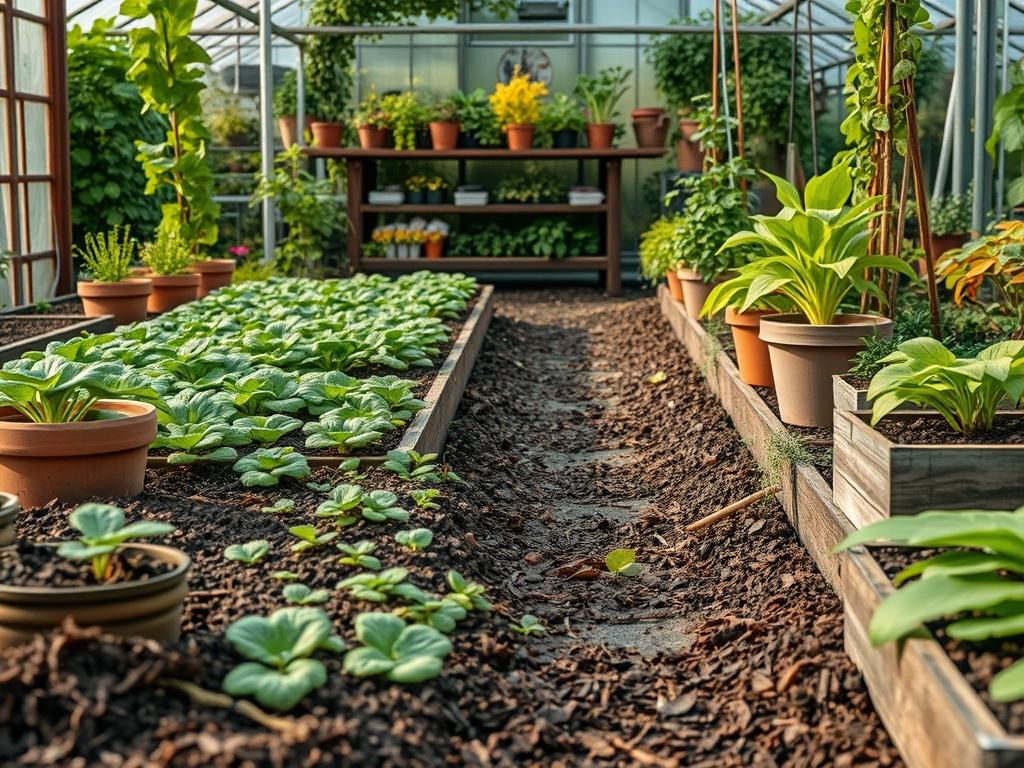
The transition from the vibrant greens of summer to the copper and gold hues of autumn presents a unique logistical challenge for any high-end residential or commercial property. To the untrained eye, the heavy accumulation of deciduous debris is a maintenance hurdle that requires immediate removal and disposal. However, from the perspective of a senior landscape architect, this annual event is a sophisticated delivery of biological resources. Understanding and mastering the benefits of leaf mulch allows property owners to create a closed-loop ecosystem that enhances soil health, suppresses invasive species, and provides essential thermal regulation for root systems during the frigid winter months. By treating these fallen leaves as a premium amendment rather than waste, you can radically improve the curb appeal and structural integrity of your outdoor environment while significantly reducing the need for synthetic fertilizers.
Climate considerations play a major role in how we manage these organic materials. In regions with heavy autumnal rainfall, raw leaf litter can become a matted, anaerobic layer that suffocates the turf and perrenials beneath it. Conversely, in drier climates, this same material can serve as a vital moisture barrier. The goal of a professional garden plan is to harness these natural materials to achieve specific outdoor functionality goals: reducing erosion on sloped elevations, improving the cation exchange capacity of the soil, and ensuring that the aesthetic of the landscape remains intentional and polished. When managed correctly, the use of leaf mulch supports a lush, resilient garden that reflects a deep commitment to sustainable land stewardship.
Landscape Design Principles
A successful landscape design relies on the interplay of symmetry, focal points, and elevation layers to guide the eye and create a sense of order. When integrating leaf mulch into a professional plan, visual balance is paramount. Traditionally, dark brown or black wood mulches are used to provide a clean contrast against green foliage, but finely shredded leaf mulch can offer a more natural, forest floor aesthetic that complements native plants and rustic hardscaping. To maintain symmetry, mulch should be applied with consistent depth and crisp edges across all matching garden beds. Using steel edging or poured concrete curbs helps define these boundaries, ensuring that the organic material does not spill onto flagstone walkways or paver patios.
Incorporate mulch into your irrigation planning by recognizing its role as a secondary moisture regulator. By placing a 3-inch layer of shredded leaves around the base of focal points, such as a specimen Acer palmatum, you reduce the evaporation rate of the soil, allowing your drip irrigation system to run more efficiently. Elevation layers also benefit from this application. On steeper grades, leaf mulch helps to break the impact of heavy rain, preventing the soil from washing away and exposing sensitive root structures. When designing these areas, use retaining walls to create terraced levels where mulch can be contained effectively, contributing to a sense of deliberate, architectural layering.
Plant and Material Selection
Selecting the right plant palette is essential when planning to use leaf mulch as your primary ground cover. Not all species react the same way to the acidic shift that some decomposing leaves, such as those from Quercus species, can induce. The table below outlines several plants that integrate exceptionally well with an organic mulching strategy.
| Plant Type | Sun Exposure | Soil Needs | Water Demand | Growth Speed | Maintenance Level |
| :— | :— | :— | :— | :— | :— |
| Hydrangea macrophylla | Part Shade | Loamy/Acidic | High | Moderate | Medium |
| Ilex glabra | Full Sun/Part Shade | Moist/Sandy | Moderate | Slow | Low |
| Hosta fortunei | Full Shade | Rich/Humus | Moderate | Fast | Low |
| Echinacea purpurea | Full Sun | Well-Drained | Low | Moderate | Low |
| Rhododendron | Part Shade | Highly Acidic | Moderate | Slow | Medium |
| Carex pensylvanica | Shade/Part Sun | Loose/Dry | Low | Moderate | Low |
The choice of leaf material also matters. Maple leaves, oak leaves, and beech leaves are excellent candidates for shredding. However, avoid using leaves from the Black Walnut tree, as they contain juglone, a natural herbicide that can inhibit the growth of many ornamental plants. For the best results, mix your leaf mulch with a small amount of composted manure or alfalfa meal to provide a nitrogen boost, which assists the carbon-heavy leaves in breaking down without robbing the soil of essential nutrients.
Implementation Strategy
The process of transitioning from raw leaf drop to a finished, professional-grade mulch requires a systematic approach. First, assess the grading of your site. Ensure that all garden beds slope slightly away from the foundation of your home to prevent moisture accumulation near the retaining walls or basement. Once the site is prepped, the leaves must be processed. Using a mulching mower or a high-speed leaf shredder, reduce the leaves to approximately one tenth of their original size. This step is non-negotiable; whole leaves will form a waterproof mat that prevents oxygen and irrigation water from reaching the soil.
After shredding, clear any existing debris from the beds and define your borders with a half-moon edger or a power edger. Apply the shredded leaves to a depth of 2 to 3 inches, taking care to leave a small gap around the stems and trunks of your plants. This prevents bark rot and deterrents rodents from nesting against the plant. For larger backyard layouts, consider the drainage patterns. If you have French drains or surface grates, ensure the mulch is not placed in a way that will clog these systems during a heavy downpour. Finally, lightly water the newly applied mulch to weigh it down and initiate the decomposition process that will eventually turn these leaves into rich, dark humus.
Common Landscaping Failures
One of the most frequent mistakes in residential landscaping is the creation of mulch volcanoes. This occurs when mulch is piled high against the trunk of a tree, trapping moisture against the bark and leading to fungal infections or girdling roots. Another common failure is the use of un-shredded leaves. While it may seem easier to simply rake leaves into the garden, the flat surface of whole leaves creates an impenetrable barrier that causes water to run off the surface rather than soaking in. This leads to profound irrigation inefficiencies and can actually kill the perennials you are trying to protect.
Compaction is another silent killer of healthy landscapes. If leaf mulch is applied too thickly, or if it is walked upon frequently, the soil beneath can lose its porosity. This prevents the exchange of gases and stunts the growth of mycorrhizal fungi, which are essential for nutrient uptake. Furthermore, failing to account for the nitrogen cycle can lead to yellowing leaves in the spring. As soil microbes work to break down the high-carbon leaf matter, they temporarily use up available nitrogen. A professional consultant avoids this by incorporating a slow-release nitrogen fertilizer or organic meal into the mulch layer during the initial application.
Seasonal Maintenance
Managing a landscape is a year-round commitment that changes with the weather. In the spring, your focus should be on “fluffing” the remaining leaf mulch with a garden rake to incorporate oxygen and checking the depth. As the plants begin to emerge, you may need to pull mulch away from the crowns of delicate perennials. During the summer, the mulch will continue to break down, and you should monitor the soil moisture levels frequently. If the mulch layer starts to looked bleached or thin, a light top-dressing of compost can refresh the aesthetic without requiring a full re-application.
Autumn is the primary season for mulch production. This is the time to harvest your “brown gold” and prepare the beds for the dormant season. Finally, in the winter, the leaf mulch serves as an insulating blanket. On days when the ground is not frozen, check the perimeter of your hardscaping and walkways to ensure wind hasn’t shifted the mulch into drainage channels. By following this seasonal cycle, you maintain a healthy soil structure that supports robust plant growth and high-performance outdoor living spaces.
Professional Landscaping FAQ
How often should I replenish my leaf mulch?
You should evaluate the depth every autumn. Because shredded leaves decompose faster than wood chips, a yearly application of 2 inches is typically required to maintain the soil health and aesthetic benefits throughout the growing season.
Can leaf mulch attract unwanted pests to my home?
When kept at the proper 3-inch depth and away from the foundation, leaf mulch supports beneficial insects. However, avoid mounding it against wooden structures, as damp organic matter can attract termites or carpenter ants seeking moisture.
Does leaf mulch change the pH of the soil?
While fresh leaves can be slightly acidic, the pH usually neutralizes as they decompose into humus. If you use a high volume of Oak leaves, monitor the soil with a pH tester and add garden lime if necessary.
Is it better to mix mulch into the soil or layer it?
For established beds, layering is the preferred method as it mimics natural forest cycles. This protects the soil surface and allows earthworms to naturally incorporate the organic matter into the lower profiles without disturbing the root systems.
Can I use leaf mulch in my vegetable garden?
Yes, it is an excellent choice for vegetable plots. It suppresses weeds and maintains consistent moisture for shallow-rooted crops. Ensure the leaves are free from pesticides or herbicides used on the lawn before applying them to edible plants.