
Integrating edible shrubs into a sophisticated landscape design requires a shift in perspective from traditional fruit production to aesthetic environmental engineering. The blueberry, specifically the Vaccinium genus, offers a unique set of challenges that, when addressed correctly, result in a striking visual display of deep green summer foliage and brilliant crimson autumnal shifts. Most residential soil is fundamentally hostile to these plants. Standard turf grass and ornamental perennials typically thrive in a neutral pH between 6.5 and 7.0, whereas blueberries demand a niche, highly acidic environment between 4.5 and 5.5 pH. When a landscape architect incorporates these shrubs, they are not merely planting a bush; they are designing a specialized soil ecosystem. Achieving the best soil for blueberries involves a technical understanding of drainage, organic matter decay, and permanent acidity management. This guide explores the architectural necessity of soil modification and site planning to ensure your outdoor living space remains both functional and visually captivating.
Landscape Design Principles
Successful blueberry integration begins with structural symmetry and the strategic use of focal points. Because these shrubs tend to have a mounded, multi-stemmed habit, they function beautifully as mid-elevation layers in a tiered garden bed. Architects often place them behind low-growing ground covers like Dwarf Mondo Grass and in front of taller evergreens such as Spartan Juniper. This layering creates a sense of depth and permanence.
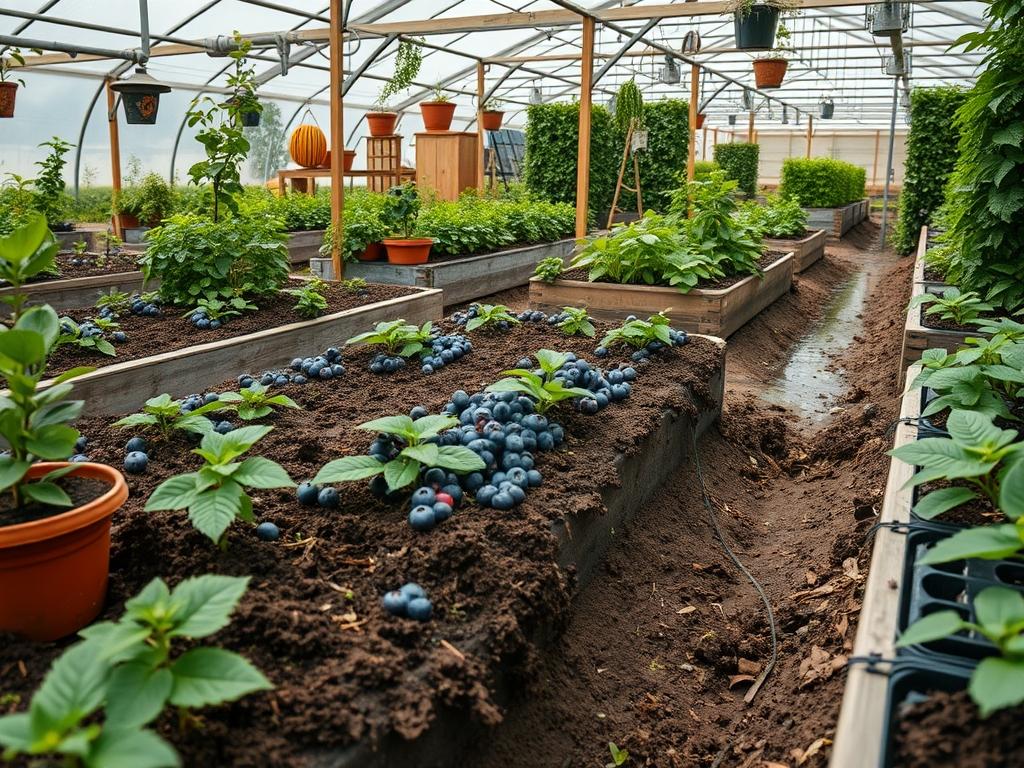
Elevation is a critical tool for the landscape consultant. Given that blueberries require impeccable drainage to prevent root rot, many professional designs utilize raised masonry planters or tiered retaining walls. These structures allow the architect to import the specialized acidic media without it being contaminated by the surrounding alkaline native soil. By elevating the root zone by 12 inches to 18 inches, you ensure that the water table does not saturate the delicate hair-like roots during heavy rainfall.
Walkways and movement through the space should lead the eye toward these shrubs during their peak seasons. In the spring, white or pink bell-shaped blossoms provide a delicate texture, while in the summer, the heavy blue clusters offer a tactile element to the garden. Irrigation planning must be subterranean or drip-based to maintain the visual purity of the landscape. Over-head spray can lead to foliage disease and unsightly mineral spotting. By hiding 1/2-inch Drip Irrigation Lines beneath a thick layer of Pine Bark Mulch, the designer maintains the illusion of a natural, self-sustaining grove while ensuring the precision delivery of moisture.
Plant and Material Selection
Selecting the correct cultivar is as important as the substrate itself. The choice depends on your USDA Hardiness Zone and the available space within your garden layout. The following table outlines the specifications for common varieties and the required amendments to create the best soil for blueberries.
| Plant Type | Sun Exposure | Soil Needs | Water Demand | Growth Speed | Maintenance Level |
| :— | :— | :— | :— | :— | :— |
| Highbush (Vaccinium corymbosum) | Full Sun | pH 4.5-5.2; High Organic | High | Medium | Moderate |
| Lowbush (Vaccinium angustifolium) | Full to Partial Sun | Sandy; Peat-heavy | Moderate | Slow | Low |
| Rabbiteye (Vaccinium virgatum) | Full Sun | Well-drained; Acidic | Moderate | Fast | Low |
| Sphagnum Peat Moss | N/A | Acidic Amendment | N/A | N/A | High Utility |
| Elemental Sulfur | N/A | pH Lowering Agent | N/A | N/A | Technical |
| Aged Pine Bark | N/A | Organic Aeration | N/A | N/A | Moderate Utility |
Implementation Strategy
The transition from a design on paper to a physical garden requires a meticulous implementation strategy. First, the site must undergo a grading assessment. If the area is flat or prone to pooling, the installation of a French Drain or a specialized drainage trench is mandatory. Blueberries cannot tolerate standing water, yet they have no tolerance for drought. This paradox is solved by creating a soil structure that holds moisture through capillary action while allowing excess water to move through the profile rapidly.
To prepare the planting area, excavate a trench or individual holes at least 3 feet wide and 1 foot deep. The native soil should be discarded or used elsewhere if it contains high clay content or a high pH. Replace this with a blend of 50 percent Sphagnum Peat Moss and 50 percent Aged Pine Bark. This mixture is widely considered the best soil for blueberries because it provides the necessary acidity and the porosity required for oxygen to reach the roots.
Edging is the next step in the architectural process. Use Steel Edging or Cedar Timbers to create a clean line between the blueberry bed and the adjacent lawn. This prevents the turf from encroaching on the blueberry roots and allows the gardener to apply Elemental Sulfur precisely without affecting other plants. Once the shrubs are positioned, apply a 3-inch layer of Pine Bark Mulch. This mulch acts as a protective barrier, regulating soil temperature and slowly breaking down into humic acid, which naturally maintains the low pH the plants require.
Common Landscaping Failures
The most frequent error in blueberry cultivation is the failure to monitor soil pH over time. Many homeowners believe that once they have amended the soil, the job is done. However, groundwater is often alkaline, and over several seasons, the pH will naturally drift upward. When the soil rises above 5.8 pH, the plant loses its ability to uptake iron, resulting in interveinal chlorosis, where the leaves turn yellow while the veins remain green. A Digital pH Meter is a mandatory tool for the serious landscape manager.
Another common failure is root overcrowding and soil compaction. Because blueberry roots are fine and grow near the surface, walking near the base of the plant can crush the root system and restrict air flow. This is why the design must include clearly defined Flagstone Walkways or Paver Paths to keep foot traffic away from the drip line of the shrubs. Improper spacing also leads to disaster. While grouped plantings are aesthetically pleasing, cramming Highbush Blueberries closer than 4 feet apart will restrict airflow, leading to powdery mildew and fruit rot in humid climates.
Irrigation inefficiency also ranks high among landscape failures. Many systems are set to a generic timer that does not account for the high transpiration rates of large-fruited shrubs. If the soil is allowed to dry out completely, the peat-based media can become hydrophobic, meaning it will repel water rather than absorbing it. This requires a professional-grade Wetting Agent or a labor-intensive re-saturation process to fix.
Seasonal Maintenance
Designing a landscape with blueberries requires a four-season management plan to preserve the investment. In the Spring, the focus is on growth and pH adjustment. This is the time to apply Ammonium Sulfate or a specialized Acid-Loving Plant Fertilizer. These products provide nitrogen in a form the blueberry can digest while simultaneously acidifying the soil.
Summer maintenance revolves around water management and bird exclusion. As the berries ripen, the plant’s demand for water peaks. Ensuring the soil remains moist at a depth of 6 inches is vital for fruit size and foliage health. For high-end landscapes, temporary Bird Netting can be discreetly installed using Green Polymer Stakes to prevent the local wildlife from stripping the crop before harvest.
Autumn is the season for aesthetic appreciation and soil preparation. The vibrant red leaves serve as a primary focal point. During this time, the architect should recommend a replenishing layer of Pine Bark Mulch to protect the crown from the coming winter. It is also the ideal window to apply Elemental Sulfur, as it takes several months for soil bacteria to convert the sulfur into sulfuric acid, which will be ready for the spring growth spurt.
Winter maintenance is largely structural. Once the plant is dormant, pruning should be performed using Bypass Pruners. The goal is to remove any wood that is more than six years old, as younger wood produces larger and more abundant fruit. Thinning the center of the bush allows for better light penetration, which is essential for the health of the interior foliage.
Professional Landscaping FAQ
What is the single most important factor for blueberry soil?
The soil pH is the primary factor. Even with perfect nutrients and water, a pH above 5.5 prevents the plant from absorbing iron and minerals, leading to stunting and eventual death. Use Sphagnum Peat Moss to stay within the 4.5 to 5.5 range.
Can I grow blueberries in heavy clay soil?
It is not recommended. Clay retains too much water and has high alkalinity. Instead, build a raised bed at least 12 inches high and fill it with a mix of Pine Bark, Peat Moss, and Coarse Sand for better drainage.
How often should I test the soil acidity?
Testing should occur at least twice per year, specifically in the early spring and late autumn. This allows you to make incremental adjustments with Elemental Sulfur or Iron Sulfate before the plant shows signs of distress or nutrient deficiency.
What type of mulch is best for an acidic landscape?
Pine Bark Mulch or Pine Needles are the superior choices. Unlike hardwood mulch, which can neutralize soil over time, pine-based products help maintain an acidic environment as they decompose, providing the best soil for blueberries and similar acid-loving species.
How do I handle irrigation in a mixed-plant bed?
Use a zoned irrigation system. Blueberries require more frequent, shallow watering than deep-rooted trees or drought-tolerant perennials. Placing them on a dedicated Drip Line Zone ensures they receive customized hydration without overwatering the surrounding landscape elements.