
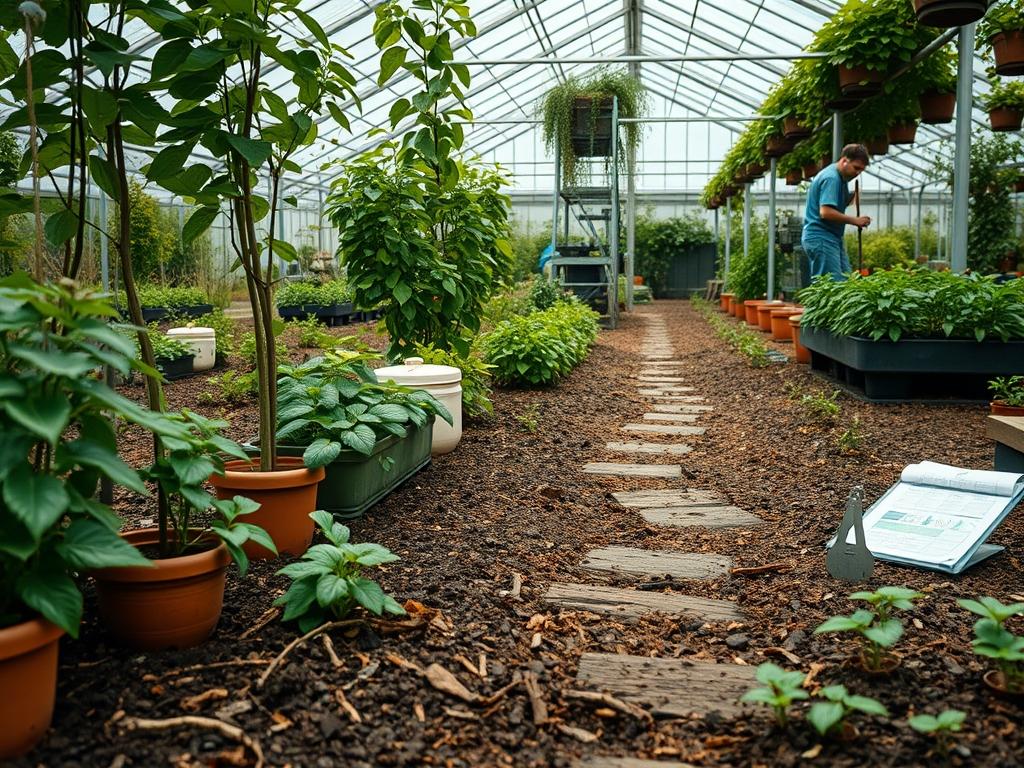
Integrating the exotic beauty of the Passiflora genus into a residential or commercial landscape requires more than just an appreciation for its intricate blooms. As landscape architects, we view the passionflower as a high performance vertical element that offers dense privacy screening, intricate textures, and pollinator attraction. However, the successful establishment of these vigorous vines depends heavily on understanding how Passionflower Soil Needs dictate the long term health of the plant. Without the correct soil structure and a robust support system, these vines often succumb to root rot or structural collapse during heavy winds. Achieving the right balance between moisture retention and rapid drainage is the cornerstone of a functional outdoor environment that features these climbing perennials.
In many temperate and subtropical climates, the challenge lies in managing the sheer growth rate of the vine while ensuring the subterranean environment supports such metabolic intensity. A well planned landscape considers the curb appeal of a flowering trellis, but also the invisible mechanics of the root zone. Proper site preparation allows the Passiflora incarnata or Passiflora caerulea to thrive without becoming a maintenance burden. By focusing on high drainage substrates and rigid vertical frames, designers can create a focal point that enhances the outdoor living experience while respecting the biological limits of the species.
Landscape Design Principles
Effective landscape design relies on the intentional placement of elements to create harmony and functionality. When incorporating passionflowers, symmetry and focal points are often achieved through the use of twin arbors or pergolas flanking an entryway. These structures provide the necessary verticality to break up the monotony of horizontal lawn spaces. We use elevation layers to create depth, placing the climbing vines in the background to serve as a lush green wall that sets off lower tier plantings like dwarf shrubs or perennial grasses.
Irrigation planning must be integrated into the initial design phase to prevent localized flooding. Passionflowers require consistent hydration, yet their roots are incredibly sensitive to anaerobic conditions caused by standing water. By utilizing slight grading, we can direct surface runoff away from the base of the vine, ensuring the Passionflower Soil Needs for aeration are met. Walkways should be positioned at least 3 feet away from the main planting site to prevent soil compaction from foot traffic, which can crush the delicate macropores needed for gas exchange in the root zone. Visual balance is maintained by pairing the aggressive growth of the vine with heavy, grounded materials like natural stone or concrete planters, which anchor the landscape’s aesthetic.
Plant and Material Selection
Selecting the right cultivars and hardscape materials is vital for a sustainable garden. The following table outlines the requirements for common passionflower varieties and their typical companion plants used in professional installations.
| Plant Type | Sun Exposure | Soil Needs | Water Demand | Growth Speed | Maintenance |
| :— | :— | :— | :— | :— | :— |
| Purple Passionflower | Full Sun | High Drainage / Sandy | Moderate | Fast | Medium |
| Blue Crown Passionflower | Full Sun to Part | Loamy, Well-drained | Moderate | Very Fast | High |
| Incense Passionflower | Full Sun | Rich, Porous Loam | High | Fast | Medium |
| Star Jasmine | Full Sun / Shade | Standard Garden Soil | Moderate | Medium | Low |
| Clematis | Full Sun (Cool Roots) | Humus Rich, Moist | High | Medium | High |
For the support structures, we recommend powder coated steel, cedar wood, or heavy duty wire tension systems. Using a 14 gauge stainless steel wire provides a minimalist look while offering the tensile strength required to hold hundreds of pounds of wet foliage during the peak of the growing season.
Implementation Strategy
The implementation of a professional grade passionflower installation begins with a thorough site analysis and grading. To satisfy the specific Passionflower Soil Needs, we typically excavate a planting hole that is 24 inches wide and 18 inches deep. This is significantly larger than the root ball, allowing us to backfill with a custom soil amendment mix consisting of one part coarse sand, one part aged compost, and two parts native topsoil. This mixture ensures that water moves through the profile at a rate of at least 2 inches per hour.
Once the hole is prepared, install the vertical support before the plant goes into the ground to avoid damaging the root system later. Whether using a trellis, retaining wall with integrated cabling, or an obelisk, ensure the structure is anchored at least 12 inches into the ground with concrete or compacted gravel. After planting the vine at the same depth it was in its nursery container, apply a 3 inch layer of shredded hardwood mulch or pine bark. This mulch regulates soil temperature and prevents weed competition while slowly adding organic matter to the soil. Edging the bed with steel headers or cobblestone keeps the aggressive roots somewhat contained and provides a clean line between the planting bed and the turf or walkway.
Common Landscaping Failures
The most frequent mistake in managing Passionflower Soil Needs is ignoring the risks of soil compaction and poor drainage. In suburban developments, the soil is often heavily compacted by construction machinery, creating a “bathtub effect” where water sits in the planting hole and rots the roots. Without adding perlite or pumice to break up heavy clay, the passionflower will exhibit yellowing leaves and stunted growth.
Another common failure is improper spacing and support. Many homeowners use flimsy plastic netting that collapses under the weight of a mature Passiflora. A healthy vine can grow 20 feet in a single season; therefore, the support must be permanent and rigid. Improper irrigation, specifically overhead watering, can lead to fungal diseases like fusarium wilt. We recommend drip irrigation emitters placed 6 inches from the base of the stem to deliver water directly to the soil, keeping the foliage dry and reducing water waste. Finally, failing to account for the vigorous nature of the root suckers can lead to the vine popping up in the middle of a lawn or nearby flower beds, disrupting the intended landscape symmetry.
Seasonal Maintenance
Landscape management is a year round commitment that changes with the solar cycle. In the spring, focus on structural pruning. Clear out any dead wood from the previous winter using bypass pruners and apply a 10-10-10 slow release fertilizer to kickstart the vegetative phase. This is also the time to check the tension on any support wires and make adjustments before the vine gains weight.
During the summer month, monitoring the Passionflower Soil Needs involves checking moisture levels twice a week. If the soil is dry 2 inches below the surface, provide a deep soak. Supplemental liquid seaweed fertilizers can help maintain the vibrant bloom cycle during periods of extreme heat. As autumn approaches, reduce fertilization to allow the vine to harden off. For semi hardy species, apply an extra 2 inches of mulch around the crown to protect against the first frost. In winter, major renovations to the hardscaping or trellis system should be completed while the vine is dormant. In colder zones, the foliage may die back to the ground; this is the ideal time to clear away old growth to make room for the rapid spring expansion.
Professional Landscaping FAQ
How do I fix heavy clay soil for passionflowers?
Excavate a wide area and incorporate coarse builder’s sand and organic compost to a depth of 18 inches. This increases the macropore space, allowing for the high hydraulic conductivity that Passionflower Soil Needs require to prevent root rot in clay.
What is the best support for a fast growing vine?
Heavy duty stainless steel cables or cedar pergolas are ideal. These materials handle the significant weight of the mature foliage and withstand weather better than light wood or plastic. Ensure the structure is anchored deep enough to resist wind shear.
Do passionflowers need a lot of fertilizer?
They benefit from a balanced, slow release fertilizer applied in early spring and mid summer. Avoid high nitrogen mixes late in the season, as this encourages soft growth that is easily damaged by winter frosts and may reduce the number of blooms.
Can I grow passionflowers in large containers?
Yes, provided the container is at least 15 gallons and has multiple drainage holes. Use a high quality potting mix amended with additional perlite. Container plants require more frequent watering and more attentive structural support than those in the ground.
How do I prevent the vine from spreading too far?
Install root barriers or steel edging to a depth of 12 inches around the planting zone. Regularly prune away the suckers that emerge from the base. Maintaining a clear mulch ring around the plant makes it easier to spot and remove unwanted spread.