
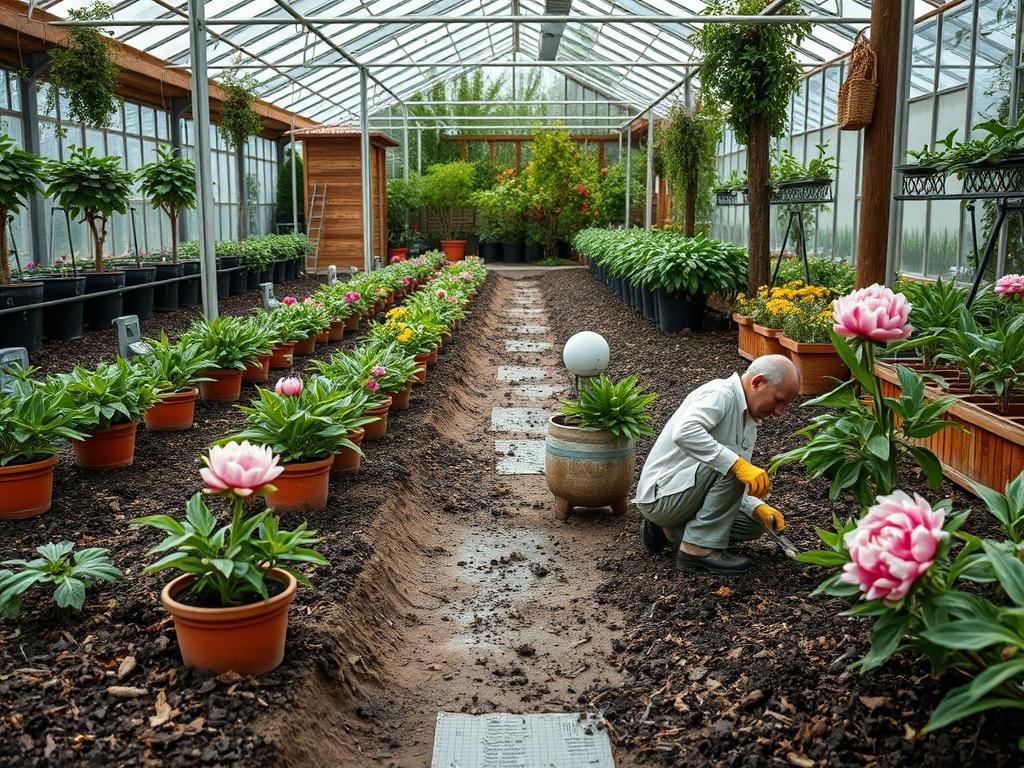
Developing a high end residential landscape requires a balance between immediate aesthetic impact and long term botanical health. Among the many species used to anchor a garden, few offer the timeless elegance and substantial return on investment of the peony. However, unlike annuals or more forgiving shrubs, peonies are heritage plants that can thrive in the same location for over fifty years if the foundation is correctly established. Successful peony soil preparation is not merely a gardening task; it is a structural engineering requirement for the garden. When a landscape architect specifies these perennials, they are looking for focal points that enhance curb appeal and define the transition between functional outdoor living spaces and the softer, naturalized elements of the property. Achieving the massive, fragrant blooms expected of high quality cultivars requires an upfront commitment to soil chemistry, drainage, and site selection.
Landscape Design Principles
In professional landscape architecture, every plant serves a structural purpose. Peonies often function as mid-level anchors in a perennial border, providing a lush green backdrop even after their brief but spectacular flowering season. Achieving proper visual balance requires placing these specimens where their heavy, large scale blooms do not overwhelm smaller, delicate nearby plants. Symmetry is frequently used in formal garden layouts, placing paired peonies at the start of a walkway or flanking a stone staircase to create a sense of arrival.
Elevation layers are critical when integrating peonies into a broader plan. Because herbaceous peonies typically reach heights of thirty to thirty-six inches, they should be positioned behind lower groundcovers like creeping phlox or thyme, but in front of taller structural elements like boxwood hedges or custom retaining walls. Professional planners also consider the irrigation footprint. Peonies should not be placed directly under the spray of a high pressure lawn sprinkler system. Instead, they require a dedicated drip irrigation zone that targets the root zone without saturating the foliage, which helps prevent fungal issues like Botrytis.
Visual balance also concerns the seasonal transition of the garden. As peonies fade in early summer, their deep green, lobed foliage remains a vital design element. By grouping them with late season bloomers such as lavender or ornamental grasses, the landscape maintains its architectural integrity through autumn. This layered approach ensures that the garden remains a functional, attractive extension of the home across all seasons.
Plant and Material Selection
| Plant Type | Sun Exposure | Soil Needs | Water Demand | Growth Speed | Maintenance Level |
| :— | :— | :— | :— | :— | :— |
| Herbaceous Peony | Full Sun | Rich, well drained loam | Moderate; consistent | Medium | Moderate |
| Tree Peony | Partial Shade | Alkaline to neutral | Low to Moderate | Slow | High |
| Itoh (Intersectional) | Full Sun/Part Shade | Neutral, organic rich | Moderate | Medium | Low |
| Nepeta (Companion) | Full Sun | Average, dry to medium | Low | Fast | Low |
| Salvia (Companion) | Full Sun | Gritty, well drained | Low | Fast | Low |
Implementation Strategy
The process of peony soil preparation begins long before the plant arrives on site. The first step involves a rigorous site analysis to assess the grading. Peonies will not tolerate “wet feet,” so they must be planted in areas where water does not pool after a heavy rain. If the backyard has a high clay content or poor drainage, a raised bed or a gentle mound should be constructed using a mixture of topsoil, horticultural grit, and leaf mold.
For each individual peony, a hole should be excavated to a depth of 24 inches and a width of 24 inches. This may seem excessive for a small root clump, but this “living zone” provides the necessary room for the roots to expand over decades without encountering compacted subsoil. At the bottom of this hole, incorporate two handfuls of bone meal or a high phosphorus bulb fertilizer, as this slowly releases nutrients that promote bloom production. Mix this with several inches of well rotted compost or aged manure.
When backfilling, the final soil consistency should be a friable, dark loam. If the soil is naturally acidic, a professional landscaper will add a small amount of garden lime to bring the pH into the 6.5 to 7.0 range. The most critical technical step is the depth of the “eyes” or the small pink buds on the roots. In USDA zones 3 through 7, these eyes must be exactly 2 inches below the soil surface. Planting them deeper will result in healthy foliage but zero blooms, while planting them shallower risks winter desiccation.
Once the plant is set, the soil should be tamped down firmly by hand, not by foot, to avoid over compaction. A one inch layer of fine bark mulch or pine straw can be applied around the base, but the mulch must be kept several inches away from the stems. Modern garden layouts often use steel edging or cobblestone borders to define these beds, preventing lawn grass from encroaching on the peony’s root space.
Common Landscaping Failures
The most frequent mistake in peony soil preparation is the failure to account for soil settling. If a large hole is dug and filled with loose organic matter, the plant may sink over the first six months, pulling the eyes too deep into the earth. To avoid this, the bottom half of the hole should be firmly packed before the plant is positioned. Another common failure is root overcrowding. While it is tempting to plant peonies close together for an immediate full look, they require at least 3 feet of spacing to ensure adequate airflow. Without this, powdery mildew can devastate the aesthetics of the garden by mid-July.
Improper irrigation setup is another frequent culprit of plant decline. Overhead watering, while convenient for turf, is detrimental to peonies. It weighs down the heavy blossoms, often breaking the stems, and creates a humid microclimate within the dense foliage that invites disease. Furthermore, soil compaction from heavy foot traffic or construction equipment near the planting site can suffocate the roots. Peonies require highly oxygenated soil environments to thrive over the long term.
Seasonal Maintenance
Landscape management for peonies changes with the movement of the sun and the drop in temperature. In the spring, as soon as the reddish shoots emerge from the soil, it is time to install peony hoops or grid supports. Waiting until the plant is large makes it nearly impossible to provide support without damaging the stems. A light application of a balanced 10-10-10 fertilizer around the drip line should be performed just as the buds begin to form.
During the summer, the primary task is deadheading. Removing spent blooms prevents the plant from wasting energy on seed production and keeps the landscape looking manicured. This is also the time to monitor for moisture levels. If the weather is particularly dry, a deep soaking once a week is preferable to light daily watering.
Autumn is the most important season for long term health. Once the foliage begins to yellow after the first frost, the stems should be cut back to within 2 inches of the ground. These clippings should be removed from the property and destroyed rather than composted to prevent the carryover of fungal spores. In winter, in particularly harsh climates, a light covering of evergreen boughs can provide protection from the freeze-thaw cycle, but thick wood mulch should still be avoided over the crown.
Professional Landscaping FAQ
How do I fix peonies that refuse to bloom?
Check the planting depth immediately. If the eyes are more than two inches deep, carefully lift the root clump in autumn and replant it higher. Ensure the site receives at least six hours of unobstructed, direct daily sunlight.
What is the best soil amendment for heavy clay?
Incorporate a blend of one part expanded shale or pea gravel to two parts high quality organic compost. This creates permanent macropores in the soil, allowing for essential drainage and gas exchange that heavy clay typically prevents.
Can I plant peonies near large trees?
It is generally discouraged. Large tree roots are aggressive competitors for moisture and nutrients. Additionally, the increasing shade from a growing tree canopy will eventually reduce the peony’s bloom count, requiring the plant to be moved.
What causes peony leaves to turn black?
This is typically Botrytis blight, a fungal pathogen. To manage it, improve airflow through proper spacing, switch to drip irrigation to keep foliage dry, and strictly remove all dead foliage from the garden site every autumn.
When is the best time to prepare the soil?
Prepare the beds in late summer for autumn planting. This allows the soil to settle naturally. Planting in the fall is superior to spring, as it allows roots to establish in cool soil before the summer heat.