
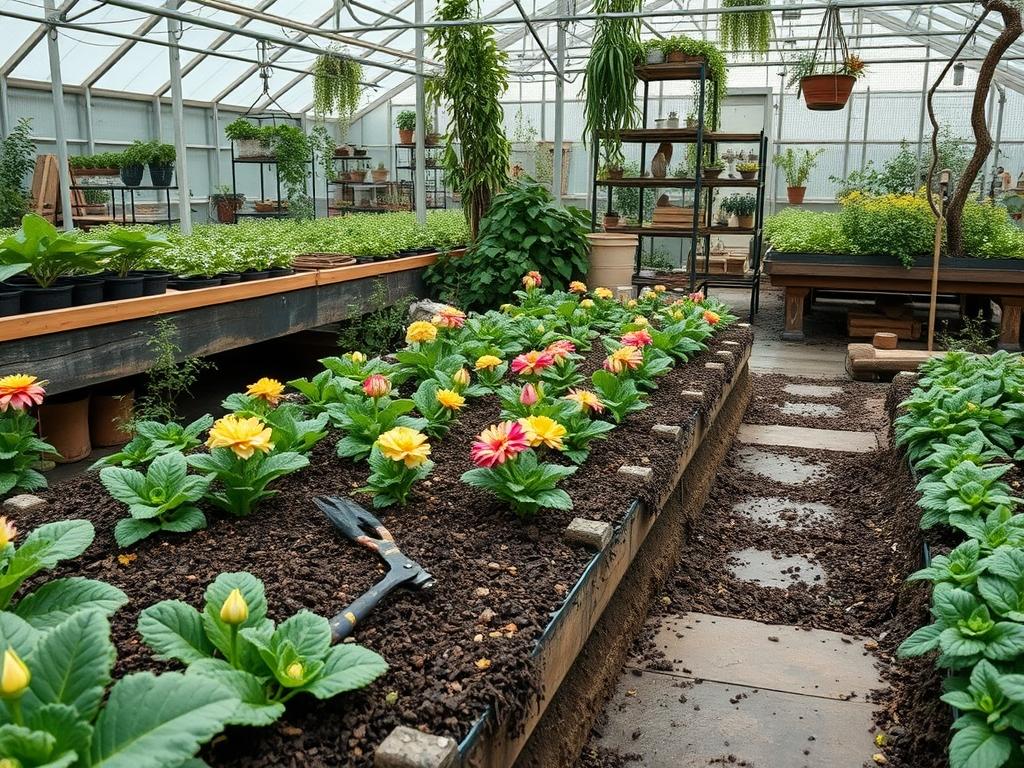
Successfully integrating high-performance perennials into a residential landscape requires a deep understanding of site-specific variables, particularly when dealing with species that are sensitive to moisture and soil density. The Persian Buttercup, or Ranunculus asiaticus, serves as a premier example of a plant that offers immense aesthetic rewards while demanding precise environmental controls. From a landscape architecture perspective, the challenge lies in balancing the visual impact of these saturated, rose-like blooms with the structural realities of the garden bed. Professionals must prioritize curb appeal without sacrificing the longevity of the plant material. This involves a calculated approach to soil science, where the best soil for ranunculus is defined by its ability to provide nutrients while facilitating rapid water movement. By viewing the garden as a functional ecosystem, designers can create vibrant outdoor living spaces that manage runoff, improve property value, and offer a seasonal color palette that is both sophisticated and resilient.
Landscape Design Principles
When planning a layout that incorporates ranunculus, the designer must look beyond the individual flower and consider the broader landscape hierarchy. Symmetry and focal points are essential tools for creating a sense of order. Ranunculus should often be grouped in clusters of 10 to 12 corms to create a saturated block of color that draws the eye toward architectural features like entryways or sculptures. These pops of color act as beacons in the early spring garden. Because of their relatively short stature, usually reaching 12 to 18 inches in height, they are best utilized in the foreground or middle tiers of a planting bed. This creates a layered elevation effect, where taller shrubs or evergreens provide a dark, structural backdrop that makes the bright petals of the ranunculus stand out.
Irrigation planning is another pillar of professional design. Because ranunculus are prone to rot in standing water, the irrigation system must be zoned separately from thirstier lawn areas. Walkways and hardscaping also play a role in the health of these plants. A well-placed stone path or paver walkway prevents foot traffic from compacting the soil around sensitive root zones. Visual balance is achieved by pairing the delicate, lace-like foliage of the ranunculus with broader-leafed neighbors or structural elements like low stone walls. This contrast in texture ensures the garden remains interesting even before the blooms emerge. Finally, the use of raised beds or berms can provide the necessary elevation to ensure that gravity assists in the drainage process, which is a fundamental requirement for these specific tubers.
Plant and Material Selection
| Plant Type | Sun Exposure | Soil Needs | Water Demand | Growth Speed | Maintenance Level |
| :— | :— | :— | :— | :— | :— |
| Ranunculus asiaticus | Full Sun | Sandy Loam, Rich | Moderate/Low | Fast | High |
| Buxus sempervirens | Sun to Part Shade | Well-drained Loam | Moderate | Slow | Medium |
| Lavandula angustifolia | Full Sun | Gritty, Alkaline | Low | Medium | Low |
| Salvia nemorosa | Full Sun | Average, Sharp Drainage | Low | Fast | Low |
| Hydrangea macrophylla | Part Shade | Rich, Moist | High | Medium | Medium |
Implementation Strategy
The transition from a design concept to a physical garden requires a systematic approach to site preparation. The first step in any high-end landscape project is grading. The land must be sloped away from the foundation of the home and any primary garden beds to prevent pooling. When preparing the site for ranunculus, the existing soil should be tested for pH and texture. If the soil is heavy clay, it must be amended significantly. The best soil for ranunculus is a custom blend of loam, coarse sand, and composted organic matter. A common professional mixture involves 60 percent sandy loam, 20 percent perlite or pumice, and 20 percent leaf mold or well-rotted manure.
Once the grading is complete, the use of metal edging or stone borders helps define the beds and keep turf grass from encroaching. Before planting the corms, use a garden fork to loosen the soil to a depth of 12 inches. This promotes deep root penetration and prevents the “bathtub effect” where water gets trapped in a hole of loosened soil surrounded by hard clay. The corms should be soaked in room temperature water for 3 to 4 hours before being placed in the ground with the “claws” facing downward. Space them approximately 4 to 6 inches apart. After planting, a 2-inch layer of fine-textured mulch, such as shredded cedar or pine bark, should be applied to regulate soil temperature. However, avoid piling mulch directly against the stems to prevent crown rot.
Common Landscaping Failures
The most frequent mistake in landscape installation is ignoring the subsurface drainage capacity. Many homeowners and novice landscapers assume that adding a few bags of “garden soil” to a hole in the clay will suffice. In reality, this often creates a pocket of wet soil that kills the Ranunculus corms within weeks. Soil compaction is another silent killer. Heavy machinery used during construction or even frequent foot traffic can crush the macropores in the soil, which are essential for oxygen exchange. Without oxygen, roots cannot breathe and the plant will eventually succumb to fungal pathogens.
Improper spacing and root overcrowding also lead to poor air circulation. When plants are packed too tightly for immediate “fullness,” they compete for nutrients and become breeding grounds for powdery mildew. Irrigation inefficiencies, such as using overhead sprinklers that wet the foliage in the evening, rather than drip irrigation that delivers water directly to the root zone, often lead to botrytis. Finally, failing to account for the dormancy period of certain plants can lead to “holes” in the landscape. A professional designer plans for the transition. As ranunculus fade in the heat of early summer, interplanting with heat-tolerant annuals or perennials ensures the curb appeal remains intact.
Seasonal Maintenance
Spring maintenance is focused on growth and support. As the Ranunculus foliage emerges, a balanced liquid fertilizer can be applied every two weeks to support bloom production. Deadheading spent flowers is crucial during this window; removing the old blossoms signals the plant to put energy into new buds rather than seed production. This extends the flowering season by several weeks. As the weather warms into summer, moisture levels must be monitored closely. Once the foliage begins to yellow and die back naturally, the irrigation to those specific zones should be reduced. In many climates, the corms are lifted and stored in a cool, dry place to prevent them from rotting in the summer heat or winter cold.
Autumn is the season for soil regeneration. This is the ideal time to incorporate new organic compost or bone meal into the beds. If you are in a mild climate, like USDA zones 8 through 10, ranunculus can be planted in the fall for late winter or early spring blooms. In colder regions, this is the time to prepare the beds for dormancy by clearing away debris that might harbor pests over the winter. Winter maintenance is largely passive, but it is a critical time for monitoring drainage systems. Ensure that gutters and downspouts are clear and that excess snowmelt is not overflowing into the dormant garden beds. If the soil stays waterlogged during the winter, any bulbs or corms left in the ground will likely perish before the spring thaw.
Professional Landscaping FAQ
What is the best soil for ranunculus to prevent rot?
The best soil for ranunculus is a porous, sandy loam high in organic matter. Avoid heavy clay at all costs. Mixing coarse sand or perlite into the substrate ensures that excess water drains away from the sensitive corm quickly.
How can I improve drainage in an existing flower bed?
You can improve drainage by incorporating organic matter and grit or by installing a French drain. Alternatively, creating a raised garden bed or a berm allows gravity to pull moisture away from the root systems of your plants.
What tools are essential for planting ranunculus corms?
A hand trowel or bulb planter is necessary for setting the correct depth of 2 to 3 inches. A garden fork helps aerate the surrounding soil, while a moisture meter can help you monitor the hydration levels of the root zone.
When is the best time to fertilize spring-blooming bulbs?
Fertilize when the first green shoots emerge from the soil. Use a balanced, water-soluble fertilizer every two weeks. Avoid high nitrogen blends late in the season, as this can prioritize foliage over the vibrant flower production desired for curb appeal.
Can ranunculus grow in containers or pots?
Yes, ranunculus excel in containers because drainage is much easier to control. Use a high-quality potting mix with added pumice. Ensure the pot has large drainage holes at the bottom to prevent water from stagnating around the roots.