
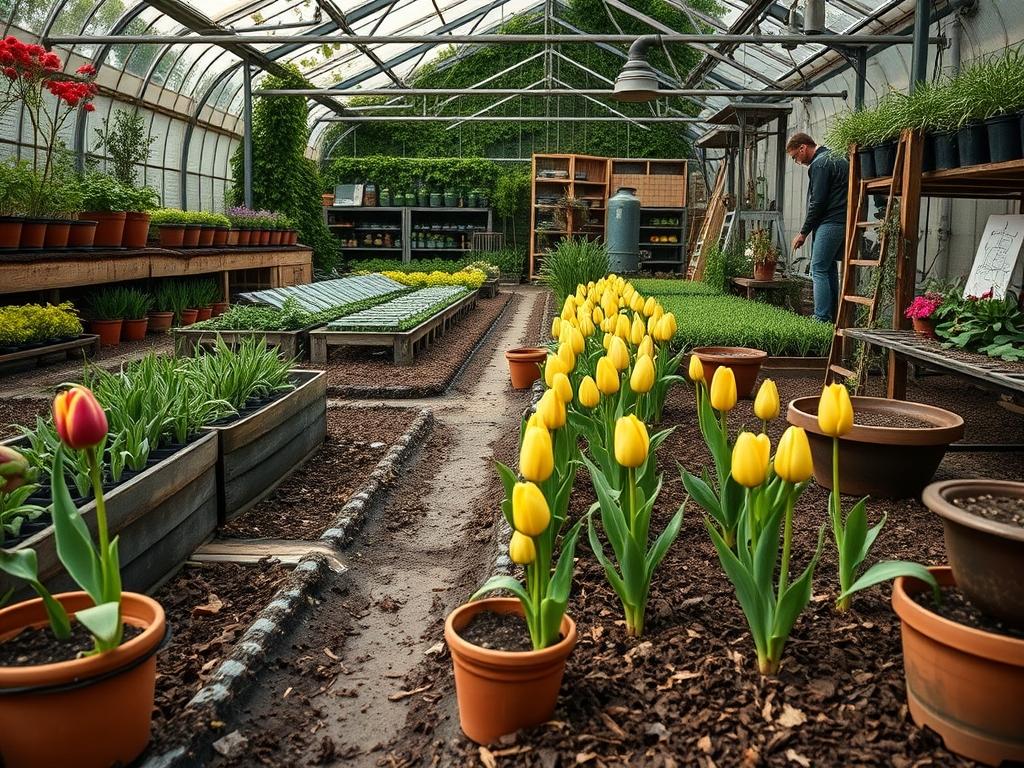
Landscape architecture often prioritizes the immediate visual impact of a project, yet the long term success of a garden relies heavily on subterranean conditions. When planning for a spring display, the tulip remains an unrivaled focal point for residential curb appeal. However, the primary challenge for designers is not the spring bloom but the winter survival of the bulb itself. Finding and mixed the best soil for tulips is the only certain way to mitigate the risk of fungal rot during the dormant season. Effective drainage is the cornerstone of architectural planting; without it, high value bulbs become victims of anaerobic conditions and standing water. Professional landscapers must balance the aesthetic desire for mass plantings with the technical necessity of soil amendment and site grading to ensure these spring anchors return year after year.
Integrating tulips into a comprehensive landscape plan requires an understanding of microclimates and soil chemistry. A well designed flower bed does more than display color, it serves as a functional component of the property drainage system. In regions with heavy snowfall or high winter precipitation, the best soil for tulips must be porous enough to allow water to move quickly past the bulb. If the soil contains too much clay, moisture traps around the Tulipa bulb, leading to localized rot. This failure can ruin the symmetry of a professional landscape and create unsightly gaps in a planned focal point. By focusing on the structural integrity of the planting medium, a consultant can guarantee a vibrant, high impact result that increases property value and enhances the outdoor living experience.
Landscape Design Principles
Successful garden planning relies on the fundamental principles of symmetry and visual balance. When utilizing tulips, designers often group them in clusters of 25 to 50 bulbs to create a dense, high contrast focal point. These clusters should be positioned in relation to permanent structures such as Retaining Walls or paved Walkways. Focal points are most effective when they draw the eye toward an architectural detail or an entryway, providing a sense of arrival. Elevation layers play a critical role here; placing bulbs on a slight incline or within raised beds ensures that they sit above the primary water table of the yard. This elevated positioning is a strategic move to prevent water from pooling around the root zone during the spring thaw.
Irrigation planning must be addressed during the design phase rather than as an afterthought. While established perennials might require consistent moisture, dormant tulip bulbs need a dry environment during their summer and winter rest periods. A professional layout often separates tulip beds from high water demand shrubs or lawns. By creating specific zones with dedicated irrigation lines, a designer can provide the precise amount of water needed without over saturating the soil. This level of control is essential for maintaining the best soil for tulips, as even the highest quality substrate cannot compensate for a poorly managed irrigation schedule that leaves the ground perpetually soggy.
Plant and Material Selection
| Plant Type | Sun Exposure | Soil Needs | Water Demand | Growth Speed | Maintenance Level |
| :— | :— | :— | :— | :— | :— |
| Tulipa (Tulips) | Full Sun | Sandy Loam | Low (Dormant) | Moderate | Low |
| Narcissus (Daffodils) | Full to Part Sun | Well Draining | Moderate | Fast | Low |
| Allium | Full Sun | Rich, Gritty | Low | Moderate | Low |
| Muscari (Grape Hyacinth) | Full to Part Sun | Average | Moderate | Fast | Minimal |
| Pachysandra | Shade | Acidic | High | Slow | Moderate |
| Buxus (Boxwood) | Full to Part Sun | Loamy | Moderate | Slow | High |
The selection of supplemental materials is just as vital as the plants themselves. To create the best soil for tulips, professionals often mix Coarse Sand, Perlite, and Organic Compost into the existing site soil. The goal is to achieve a texture that crumbles easily when squeezed. For the mulch layer, a Double Shredded Hardwood Mulch is preferred over heavy decorative stones. While stones may look clean, they can trap heat and moisture, potentially sweating the bulbs in warmer winter spells. A 2 inch layer of mulch provides sufficient insulation against extreme temperature fluctuations without impeding the gas exchange necessary for healthy soil biology.
Implementation Strategy
The execution of a tulip focused landscape begins with proper site grading. Before a single bulb is placed, the consultant must ensure the ground slopes away from residential foundations and hardscaped areas. Once the grade is established, the excavation of the planting trench should reach a depth of at least 8 inches. This allows for a 2 inch base of amended soil to be laid down before the bulbs are positioned. Placing the bulbs at a depth of 6 inches secures them against frost heave and grazing squirrels. A specialized Bulb Planter or a long handled Trowel can be used for individual placement, but for large scale landscape projects, trench planting is more efficient for achieving uniform height and bloom timing.
Edging provides the finishing touch to a professional installation. Using Steel Edging or Paver Restraints prevents lawn grasses from encroaching on the tulip beds and keeps the amended soil contained. Once the bulbs are positioned with their pointed ends upward, the trench is backfilled with a custom blend of Sandy Loam and a slow release 10-10-10 Fertilizer. This specific nutrient ratio supports root development during the autumn months without forcing premature top growth. Finally, the area is lightly tamped down to remove large air pockets, though over compaction must be avoided to maintain the porosity of the best soil for tulips.
Common Landscaping Failures
One of the most frequent errors in garden planning is the failure to account for soil compaction. In high traffic areas or near construction zones, the soil often loses its structure, becoming a dense, brick like mass. This compaction prevents oxygen from reaching the bulbs and halts drainage, leading to almost certain rot. Another common mistake is improper spacing. While a dense look is desirable, overcrowding bulbs can lead to a lack of air circulation and the rapid spread of fungal pathogens like Botrytis. A spacing of 3 to 4 inches between bulbs is usually sufficient to maintain aesthetics while protecting plant health.
Irrigation inefficiency also ranks high among landscaping failures. Many homeowners leave automatic sprinkler systems running on a summer schedule well into the autumn. This excess water, combined with falling temperatures, creates a breeding ground for mold. Furthermore, the use of heavy clay as a filler material in raised beds is a technical oversight that many DIY gardeners make. Clay retains too much water and shrinks when dry, which can actually crush delicate bulbs or shear off emerging roots. Maintaining the integrity of the soil mix is the only way to avoid these costly landscape replacements.
Seasonal Maintenance
Landscape management is a year round commitment that shifts with the seasons. In the spring, the focus is on monitoring moisture levels as the bulbs emerge. Once the flowers fade, it is critical to leave the foliage intact until it turns yellow; this allows the plant to store energy for the following year. During the summer, the tulip beds should remain relatively dry to prevent the dormant bulbs from overheating or rotting in humid conditions. This is often the best time to prune surrounding shrubs like Boxwood to ensure the tulips receive full sun during their next growth cycle.
Autumn is the most active season for tulip maintenance. This is when supplemental bulbs are added and the Mulch layer is refreshed. It is also the time to test soil pH, aiming for a neutral range between 6.0 and 7.0. As winter approaches, the primary goal is protection. In extremely cold climates, an additional layer of Straw or Evergreen Boughs can be placed over the beds to provide extra insulation. These materials are easily removed in early March before the first shoots appear. By following this seasonal rhythm, the landscape remains a disciplined and beautiful environment that thrives regardless of weather extremes.
Professional Landscaping FAQ
What is the best soil for tulips to prevent rot?
The ideal medium is a sandy loam enriched with compost. This combination ensures that excess water drains away from the bulb quickly, preventing the fungal growth that leads to winter rot while providing necessary nutrients for spring growth.
How deep should bulbs be planted in a professional landscape?
Bulbs should be planted at a depth of 6 inches, measured from the base of the bulb to the soil surface. This depth protects the plant from temperature swings and physical damage while ensuring the stem has enough support to stand upright.
Can I plant tulips in heavy clay soil?
You can, but only if the soil is significantly amended. You must incorporate Coarse Sand and organic matter to a depth of 12 inches to break up the clay, or consider using raised beds to bypass the drainage issues entirely.
When is the best time to fertilize tulip beds?
Apply a slow release 10-10-10 Fertilizer in the autumn during the planting phase. This encourages strong root establishment. A second, light application can be performed in early spring just as the first green shoots emerge from the ground.
Why did my tulips fail to return the second year?
The most common reasons are poor drainage leading to winter rot or the removal of foliage before it naturally yellowed. If the soil was too wet during the winter, the bulbs likely decomposed before they could sprout in the spring.