
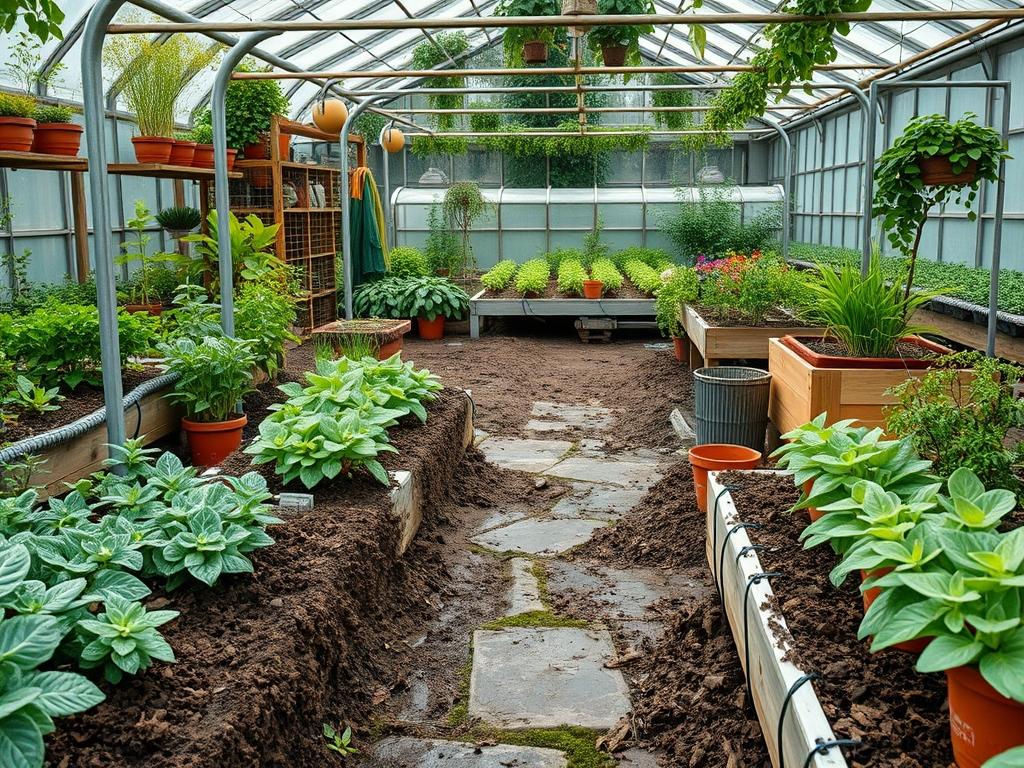
Integrating a tall, architectural perennial into a modern landscape design mandates a thorough understanding of both aesthetic impact and subterranean behavior. Levisticum officinale, frequently referred to as Lovage, represents a unique challenge for the landscape architect due to its sheer scale and vigor. It is not a subtle herb; it is a structural element that often reaches heights of 6 feet or more within a single growing season. For most residential and commercial projects, the primary goal is to enhance curb appeal while ensuring long term functionality. This requires a site plan that accommodates the specific needs of the species, particularly regarding the root zone. Lovage Soil Requirements center heavily on the presence of Deep Organic Loam, a medium that facilitates the plant’s massive taproot while providing the sustained nutrient release necessary for its rapid biomass production. In the context of climate considerations, this plant thrives in Hardiness Zones 4 through 8, making it a versatile choice for temperate regions where outdoor living spaces demand lush, green backdrops.
Landscape Design Principles
Professional landscaping relies on the strategic application of symmetry and focal points to guide the viewer’s eye through the environment. When utilizing Lovage, it serves as an ideal backdrop or a central focal point in a large herb wheel. Because of its height, it creates natural privacy screens and adds verticality to flat garden beds. Designers often employ elevation layers, placing lower-growing perennials like Thyme or Sage in the foreground to create a tiered effect. This layering is essential for visual balance; otherwise, the garden may look top-heavy. Irrigation planning must be meticulous. Since Lovage requires consistent moisture, the landscape architect should group it with other plants having similar water demands to avoid over-watering neighboring drought-tolerant species. Walkways should be positioned at least 3 feet away from the base of the plant to accommodate its wide, umbrella-like canopy. This spacing ensures that paths remain clear and accessible while allowing the plant to reach its full architectural potential without constant shearing.
Plant and Material Selection
The success of any landscape installation depends on matching plant physiology with the appropriate site conditions and materials. Below is a selection of plants frequently paired with Lovage to create a cohesive outdoor environment.
| Plant Type | Sun Exposure | Soil Needs | Water Demand | Growth Speed | Maintenance Level |
| :— | :— | :— | :— | :— | :— |
| Lovage | Full Sun to Part Shade | Deep Organic Loam | Moderate to High | Fast | Low |
| Rosemary | Full Sun | Sandy Well-Drained | Low | Moderate | Moderate |
| Bee Balm | Full Sun to Part Shade | Moist Organic Loam | High | Fast | Moderate |
| Lavender | Full Sun | Gravelly Alkaline | Low | Moderate | High |
| Common Sage | Full Sun | Loamy Sand | Low to Moderate | Moderate | Low |
| Sweet Cicely | Part Shade | Moist Loam | Moderate | Moderate | Low |
Implementation Strategy
Implementing a garden layout that supports Lovage Soil Requirements begins with professional grading. The site must be leveled to prevent water from pooling at the crown, which can cause fungal issues, yet it must retain enough moisture to satisfy the plant’s thirst. Start by excavating the planting area to a depth of 24 inches. This depth is critical because the taproot of Lovage can extend significantly, seeking out water reserves deep in the earth. If the native soil is heavy clay, it must be amended with Compost, Peat Moss, and Coarse Sand to create that essential deep organic loam texture.
Once the soil is prepared, establish clear edges using Steel Edging or Stone Borders. This prevents the expansion of the root crown into adjacent turf areas. For hardscaping, consider installling Flagstone Pavers or Permeable Gravel paths nearby to allow for maintenance access without soil compaction. A layer of 3 inches of Hardwood Mulch should be applied across the entire bed. This mulch serves multiple functions; it regulates soil temperature, suppresses weeds, and breaks down over time to further enrich the organic content of the loam. Drainage systems, such as French Drains, might be necessary if the site is at the bottom of a slope. This ensures that while the soil remains moist, it never becomes anaerobic or waterlogged.
Common Landscaping Failures
The most frequent mistake in landscape installation is ignoring the long term structural needs of the plant. Drainage mistakes often lead the list. If Lovage is planted in a basin without an exit for excess water, the roots will succumb to rot within one or two seasons. Another common failure is root overcrowding. Because Lovage grows so quickly, many amateur planners place it too close to Retaining Walls or property lines. This results in the plant leaning or becoming stunted as it competes for space. Proper spacing is non-negotiable; each plant needs at least 36 inches of diameter to thrive.
Soil compaction is another silent killer. During the construction phase of a landscape project, heavy machinery or even heavy foot traffic can crush the pore spaces in the soil. For a plant that relies on Deep Organic Loam, this compaction is a death sentence. It prevents the taproot from penetrating the earth and limits the oxygen available to the root system. Finally, irrigation inefficiencies occur when automated systems are not zoned correctly. Putting Lovage on the same zone as succulent plants will inevitably lead to the failure of one or the other.
Seasonal Maintenance
Effective landscape management changes with the calendar. In the spring, focus on cleaning up the site. Remove the dead stalks from the previous year using Hand Pruners. This is also the time to apply a Slow-Release Organic Fertilizer to the top layer of the soil to support the initial growth spurt. As the season transitions into summer, the primary task is moisture management. If the weather is particularly dry, increase irrigation frequency to maintain the moisture levels required by the loam. Monitoring for pests like leaf miners is also crucial during these months.
Autumn management involves preparing the plant for dormancy. Once the first significant frost hits, the foliage will turn yellow and collapse. Use a Landscaping Saw or heavy shears to cut the plant back to 4 inches above the ground. Apply a fresh layer of Bark Mulch to insulate the root zone against the coming freeze. In the winter, maintenance is minimal, but the landscape architect should ensure that snow removal equipment does not pile salt-laden snow onto the garden beds. Salt can ruin the chemistry of organic loam and damage the delicate perennial crown.
Professional Landscaping FAQ
How deep should the soil be for planting Lovage?
The soil should be prepared to a depth of at least 24 inches. This accommodate its extensive taproot system. Shallow soil profiles will limit the plant’s height and vigor, leading to a less impressive landscape presence over several years.
Can Lovage be grown in large containers or pots?
While possible, it is not recommended for long term landscape design. The plant’s root system is too aggressive for most containers. If used, the pot must be at least 20 inches deep and filled with high quality organic potting mix.
Is it necessary to use chemical fertilizers on Lovage?
Usually, no. If you have met the Lovage Soil Requirements by providing deep organic loam, the decaying organic matter provides sufficient nutrients. An annual top-dressing of Compost is typically all that is required for healthy, sustained growth throughout the summer.
How does soil pH affect the growth of this herb?
Lovage prefers a slightly acidic to neutral pH, ranging from 6.0 to 7.0. If the soil is too alkaline, you may see yellowing of the leaves. Use Soil Sulfur to lower the pH if your test results show high alkalinity.
What is the best way to prevent soil compaction in the bed?
Define permanent walkways using Stepping Stones or Mulched Paths. Never step directly into the planting bed. This preserves the airy, loamy structure of the soil, allowing the roots to breathe and the water to penetrate to the deep taproot.