
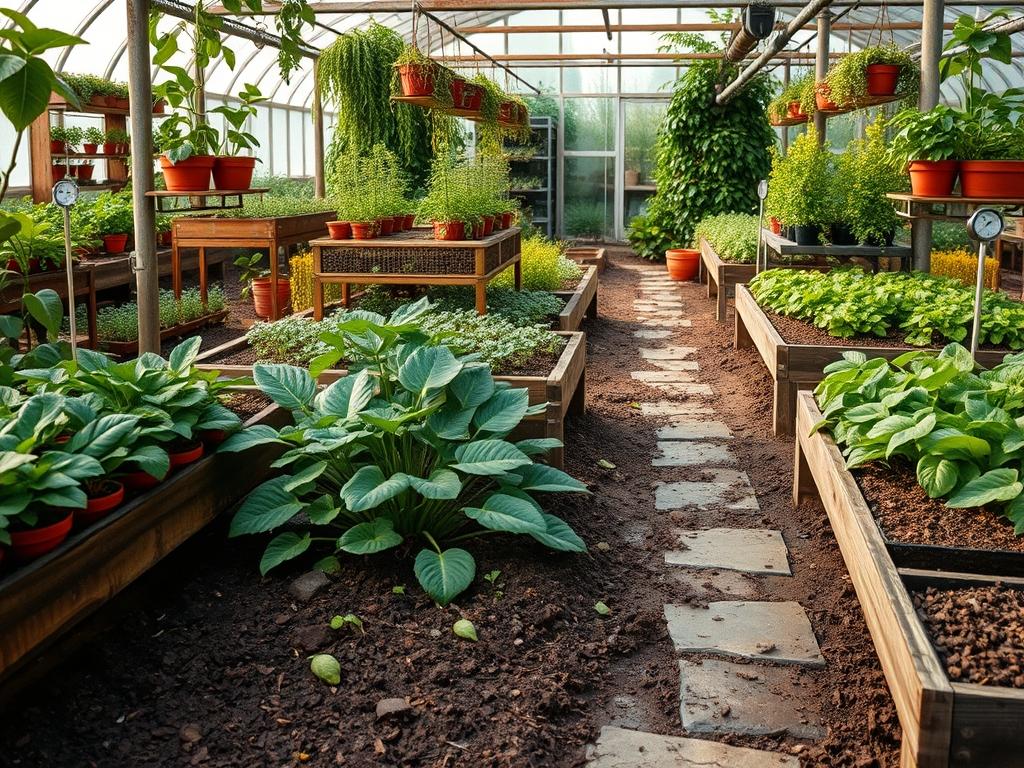
Integrating highly functional plants like comfrey into a professional landscape design requires a move beyond traditional aesthetics. As a dynamic accumulator, comfrey serves as a bridge between deep subsoil minerals and the upper layers of your garden beds. The primary challenge for any landscape architect is positioning this vigorous grower where its deep taproots can thrive without interfering with underground utilities or light-weight ornamental species. When we consider the outdoor environment, we must balance the lush, tropical appearance of comfrey leaves with its aggressive growth habit. Selecting the Best Soil for Comfrey is not just about plant health; it is about localizing nutrient cycles and ensuring that the plant can perform its primary job: mining the earth for minerals to support the surrounding ecosystem. Proper soil selection ensures that the taproot reaches its full potential depth, often exceeding 10 feet, which provides long term stability and drought resistance for the entire garden layout.
While comfrey is often prized for its utilitarian benefits, its role in curb appeal and garden structure should not be overlooked. Large, hairy leaves provide a coarse texture that contrasts beautifully with fine-leafed shrubs or dainty floral borders. From a functional perspective, it acts as a permanent mulch source when managed correctly. In the planning phase, we must look at the site’s topography. Comfrey thrives in areas where moisture naturally collects, such as the base of a slope or near a drainage swale. However, the soil must be sufficiently porous to prevent anaerobic conditions at the root zone. By focusing on the structural integrity of the soil, we allow the plant to accumulate essential minerals like Potassium, Calcium, and Magnesium, which are then cycled back into the landscape through leaf decomposition.
Landscape Design Principles
In professional landscape architecture, we use comfrey to establish “Nutrient Islands.” These are strategic zones within a larger garden plan where high-demand plants, like fruit trees or heavy-feeding perennials, are clustered. Placing comfrey at the drip line of a Malus domestica (Apple Tree) or Pyrus (Pear Tree) creates a natural irrigation and fertilization cycle. Symmetry is achieved by using comfrey as a repetitive anchor point at the corners of raised beds or along the perimeter of an orchard. Its large biomass helps define the elevation layers of a garden, sitting comfortably between low-lying groundcovers and mid-sized shrubs.
Effective irrigation planning is crucial when integrating comfrey into a mixed landscape. Because it is such a high-production plant, it requires consistent moisture to produce its signature mineral-rich foliage. In many designs, we utilize subsurface irrigation lines or porous hoses buried 6 inches deep to provide direct hydration to the root crown. This method prevents the large leaves from becoming a fungal risk and ensures that the deep taproot continues its descent into the subsoil. Walkway placement must also account for comfrey’s expansive width. A single mature plant can reach 3 feet or more in diameter, so paths should be wide enough to accommodate the plant’s spread without forcing visitors to navigate overhanging foliage. Visual balance is maintained by pairing the dark, heavy green of the comfrey leaves with lighter, variegated species or crisp stone edging.
Plant and Material Selection
| Plant Type | Sun Exposure | Soil Needs | Water Demand | Growth Speed | Maintenance |
| :— | :— | :— | :— | :— | :— |
| Bocking 14 Comfrey | Full Sun / Part Shade | Deep, Loamy, Rich OM | High | Very Fast | Moderate |
| High-Bush Blueberry | Full Sun | Acidic, Well-Drained | Moderate | Medium | High |
| Hardy Kiwi Vine | Full Sun | Fertile, Silt-Loam | High | Fast | High |
| Native Switchgrass | Full Sun | Adaptable / Clay-Loam | Low | Fast | Low |
| Peppermint | Part Shade | Moist, Fertile | Very High | Aggressive | Moderate |
| River Birch | Full Sun | Wet, Acidic | High | Fast | Low |
Implementation Strategy
The process for establishing a comfrey-dominant nutrient zone begins with precise grading. The Best Soil for Comfrey is a deep, friable silt-loam that allows the taproot to penetrate the earth without hitting compacted layers or bedrock. Before planting, we recommend excavating the site to a depth of 24 inches to ensure the initial root development is unimpeded. If the native soil is heavy clay, incorporate significant amounts of aged compost and expanded shale to improve aeration. This prepares the ground for the plant’s mineral mining capabilities. The site should be graded to allow for slow water infiltration rather than rapid runoff, as comfrey acts as a biological sponge within the landscape.
Once the soil is prepared, we install heavy-duty edging to contain the root mass. While Bocking 14 is a sterile hybrid and will not spread via seed, its roots are incredibly persistent. Any fragment left in the soil can sprout a new plant. We typically use 4-inch steel edging or stone borders to define the comfrey clusters. Mulch depth is another critical factor. A 3-inch layer of wood chips or shredded bark should be applied around the base, keeping the mulch away from the direct center of the crown to prevent rot. For hardscaping, ensure that stone paths are set on a well-compacted gravel base to prevent the comfrey’s powerful roots from heaving the stones over time. If a retaining wall is part of the design, comfrey can be planted at the base to soften the vertical lines and take advantage of the moisture that naturally accumulates behind the wall’s drainage system.
Common Landscaping Failures
One of the most frequent mistakes in garden planning is failing to account for soil compaction. When the earth is compressed by heavy machinery during construction, the Best Soil for Comfrey is essentially destroyed. Compacted soil limits oxygen availability and physically blocks the taproot from reaching the lower stratigraphic layers where minerals are most abundant. Without this deep access, the plant cannot function as a dynamic accumulator, and its growth will be stunted. We often see this in new residential developments where the “topsoil” is merely a thin layer of poor-quality dirt over a crushed limestone base.
Another common failure involves root overcrowding. Designers often place comfrey too close to other vigorous perennials like ostrich ferns or rhubarb. Over time, the root systems compete for the same moisture and Nitrogen, leading to a decline in leaf quality. Furthermore, improper spacing leads to poor air circulation. Comfrey’s dense canopy can trap humidity, causing powdery mildew if the plants are packed too tightly together. Irrigation inefficiency is the third pitfall. Over-head watering often results in water sliding off the large, waxy leaves and landing outside the root zone. A professional installation should always favor drip irrigation or targeted hand-watering at the base of the plant to ensure the water reaches the Soil profile effectively.
Seasonal Maintenance
Spring is the primary season for landscape renewal. As the ground thaws, apply a top-dressing of composted manure or high-nitrogen organic fertilizer to the base of the comfrey plants. This provides the initial fuel needed for the rapid leaf development that occurs in April and May. If you are using comfrey as a “chop and drop” mulch, the first harvest can usually happen in late spring once the plant reaches 24 inches in height. Use a sharp garden sickle or hedge shears to cut the foliage back to about 2 inches above the ground. The biomass can then be spread around the base of nearby trees or shrubs to provide a slow-release nutrient boost.
Summer maintenance focuses strictly on hydration and pest monitoring. During heat waves, comfrey may wilt as a defense mechanism, but it requires deep weekly watering to keep the mineral accumulation process active. If the leaves become too tattered or show signs of senescence, a second mid-summer cut can rejuvenate the plant and force a fresh flush of green growth. In many climates, you can achieve three to four harvests per year. This repeated cutting encourages the taproot to continue extracting minerals from the Best Soil for Comfrey to rebuild its leaves.
Autumn is the time to let the plant rest. Stop cutting the leaves by mid-September to allow the plant to pull nutrients back down into its root system for the winter. The final foliage of the year will naturally collapse after the first hard frost. Rather than removing this dead material, leave it in place as a protective winter mulch for the crown. In winter, maintenance is minimal. This is the ideal time to review your landscape’s drainage performance. If pools of water sit over the comfrey crowns for more than 48 hours, you may need to install a French drain or adjust the grading to prevent the roots from rotting during the dormant phase.
Professional Landscaping FAQ
What is the ideal pH for comfrey soil?
Comfrey prefers a slightly acidic to neutral soil environment. A pH range between 6.0 and 7.0 is ideal. This range ensures that the minerals the plant intends to accumulate remain chemically available for the taproot to absorb and process.
Can I plant comfrey in a container?
While possible, it is not recommended for long term mineral accumulation. Comfrey requires deep soil to thrive. A container restricts the taproot to a few feet, which limits the plant’s ability to forage for minerals and necessitates frequent, heavy fertilization.
How far should I space comfrey from my house?
Maintain a distance of at least 5 feet from your home’s foundation. While comfrey roots are not typically destructive to concrete, the high moisture levels the plant requires can contribute to humidity issues or basement dampness if planted too close.
Which comfrey variety is best for landscaping?
The Bocking 14 Russian Comfrey is the professional choice. It is a sterile hybrid that will not take over your garden via seeds. This allows the landscape architect to maintain precise control over the plant’s location and quantity.
Does comfrey need direct sunlight?
For maximum biomass production and mineral cycling, full sun is preferred. However, comfrey is remarkably resilient and can grow in partial shade. In shaded areas, growth will be slower, and the leaves may not be as large or nutrient-dense.