
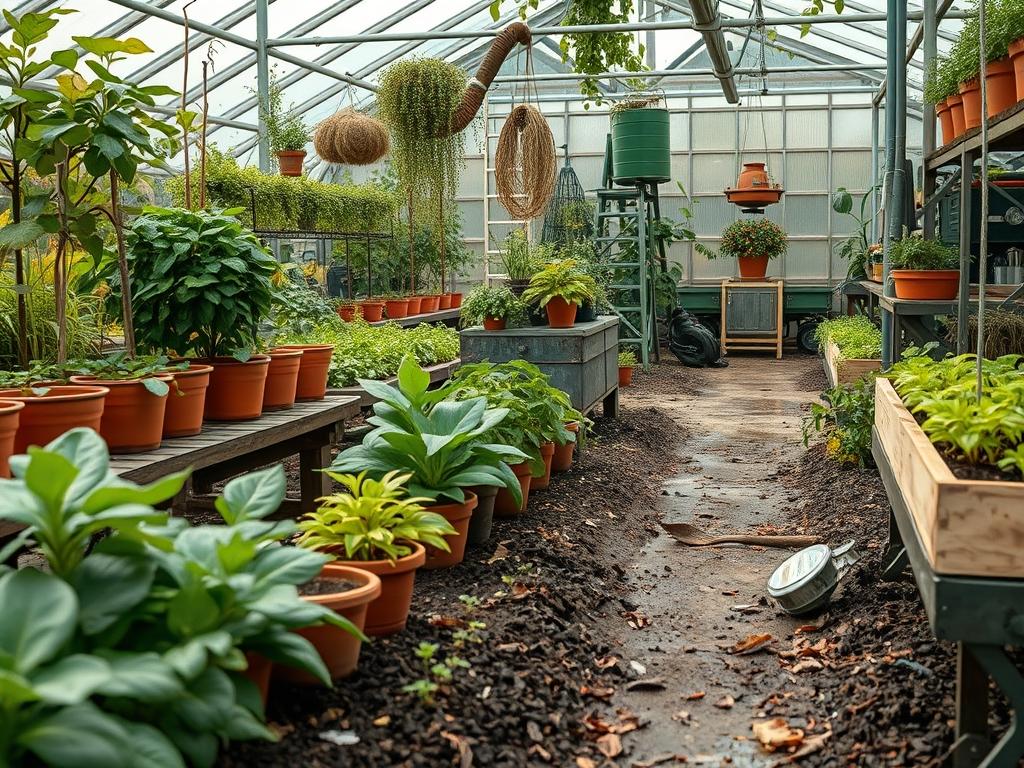
Achieving a resilient and aesthetically pleasing outdoor environment requires a deep understanding of the biological and structural foundations that support plant life. As a landscape architect, my primary objective is to create a seamless transition between the built environment and the natural world. This process begins with the soil profile. While many homeowners are eager to adopt sustainable practices, such as zero waste living or home composting, some habits can inadvertently compromise the health of the entire landscape. One of the most significant risks involves the practice of composting vacuum dust. While it may seem like a harmless collection of organic matter, vacuum debris is frequently a cocktail of synthetic microplastics, heavy metals, and chemical flame retardants. Introducing these elements into your garden beds can undermine your curb appeal and long term outdoor functionality by poisoning the very earth that feeds your vegetation.
Successful garden planning demands a focus on the site’s topography and microclimate. When we design a residential or commercial landscape, we consider the sun’s path, the prevailing winds, and the existing drainage patterns. A high functioning landscape is more than just a collection of attractive plants; it is a living system that must manage stormwater, provide habitat, and offer a space for human relaxation. If the soil becomes contaminated through improper composting practices, the entire investment is at risk. High quality soil should be treated as a permanent asset. By protecting this asset from indoor pollutants, we ensure that the architectural layers of the garden, from the low lying groundcovers to the soaring canopy trees, remain vibrant for decades.
Landscape Design Principles
Effective landscape design relies on five core principles: balance, focal points, proportion, sequence, and unity. Balance is achieved through either symmetrical or asymmetrical arrangements. Symmetrical designs use mirrored elements to create a formal, organized atmosphere, which is ideal for entryways or classical estates. Focal points, such as an ornamental specimen tree or a high quality stone fountain, guide the eye through the space and create a sense of purpose. We often use the “Rule of Three” when placing boulders or large shrubs to create a natural, rhythmic flow that avoids the stiffness of even numbers.
Elevation layers are perhaps the most vital tool in a designer’s kit. By varying the heights of plantings, we can create outdoor rooms that feel both private and expansive. This layering begins with “floor” elements like creeping thyme or turfgrass, moves through “mid-level” shrubs, and culminates in “ceiling” elements like large deciduous trees. Proper irrigation planning must be integrated into these layers from the start. We recommend drip irrigation systems for garden beds to minimize water waste and prevent fungal diseases on foliage. Furthermore, walkways should follow the natural lines of desire, the paths people naturally take, while being constructed from permeable materials like decomposed granite or paver stones to allow for maximum water infiltration.
Plant and Material Selection
| Plant Type | Sun Exposure | Soil Needs | Water Demand | Growth Speed | Maintenance Level |
| :— | :— | :— | :— | :— | :— |
| English Boxwood | Full Sun to Part Shade | Well drained, Loamy | Moderate | Slow | Medium (Requires pruning) |
| Lavender (Munstead) | Full Sun | Sandy, Alkaline | Low | Moderate | Low (Requires deadheading) |
| Red Maple Tree | Full Sun | Moist, Acidic | High | Fast | Low (Occasional pruning) |
| Purple Coneflower | Full Sun | Poor to Average | Low | Fast | Very Low (Divide every 4 years) |
| Japanese Forest Grass | Full Shade | Rich, Humus-heavy | Moderate | Slow | Low (Cut back in winter) |
| Blue Star Creeper | Full Sun to Part Shade | Moist, Fertile | Moderate | Moderate | Medium (Controls weeds) |
Implementation Strategy
The implementation phase is where the vision meets the physical reality of the site. The first step in any major backyard or garden layout is grading. You must ensure the land slopes away from the home’s foundation at a minimum of a 2 percent grade. This prevents water from pooling against the house and directs it toward designated drainage areas or rain gardens. Once the grade is established, we install hardscaping elements such as retaining walls and flagstone paths. Retaining walls should be backfilled with 3/4 inch crushed stone to allow for hydrostatic pressure relief.
Next comes the edging and soil preparation. Use heavy duty steel edging or poured concrete borders to define the separation between lawn and garden beds. This prevents invasive grass roots from encroaching on your ornamental plants. Before any plant goes into the ground, we recommend testing the soil for pH and nutrient levels. It is here that the warning against composting vacuum dust becomes most relevant. If you have been adding vacuum canister contents to your pile, your soil may contain high levels of lead, arsenic, or persistent organic pollutants from your carpets. Instead, supplement your beds with well-rotted leaf mold or OMRI-certified organic compost. Apply a 3 inch layer of double-shredded hardwood mulch to the surface. This depth is critical; it retains moisture and suppresses weeds without suffocating the root systems of your plants.
Common Landscaping Failures
The most frequent failure in residential landscapes is poor drainage management. When water has nowhere to go, it creates anaerobic conditions in the soil, leading to root rot and the eventual death of expensive specimen plants. Another common issue is root overcrowding. Homeowners often buy plants based on their size at the nursery, failing to account for their mature width. For example, a Leyland Cypress may look small today, but within ten years, it can reach a width of 15 feet, potentially damaging fences or nearby structures.
However, the most insidious failure is the degradation of soil health through contaminated amendments. Highlighting why composting vacuum dust is risky for your soil is essential for the modern gardener. Modern homes are filled with synthetic materials. Carpets are almost exclusively made of nylon, polyester, or polypropylene. When you vacuum, you are collecting microplastic fibers that do not biodegrade. If these enter your compost and subsequently your garden, they disrupt the soil’s physical structure and the delicate fungal networks known as mycorrhizae. Furthermore, vacuum dust contains high concentrations of pet dander, hair that may have been treated with flea chemicals, and dust mites. These bio-contaminants can alter the microbial balance of your soil, leading to compaction and nutrient lockout. Compaction is the “silent killer” of landscapes; it prevents oxygen from reaching the roots, effectively strangling the plants from the bottom up.
Seasonal Maintenance
Landscape management is a year round commitment that changes with the seasons. In the spring, the focus is on rejuvenation. This is the time to remove winter debris, prune dead wood from hydrangeas and roses, and apply a fresh layer of mulch. It is also the best time for core aeration of lawns to combat soil compaction. As summer arrives, the priority shifts to irrigation management. Water deeply but infrequently, preferably in the early morning hours, to minimize evaporation. Monitor for pests like Japanese beetles or aphids, and use neem oil or insecticidal soap as organic control measures.
Autumn is the season for preparation and planting. The cooler air and warm soil are perfect for establishing new trees and shrubs. Clean up fallen leaves, but consider Shredding them with a mulch mower to provide a natural carbon source for your lawn. Winter maintenance involves protecting sensitive plants from frost and heavy snow loads. Use burlap wraps for younger evergreens and avoid using rock salt near garden beds. Rock salt, or sodium chloride, can leach into the soil and create toxic levels of salinity that will kill your plants by the following spring. Use calcium magnesium acetate as a safer de-icing alternative.
Professional Landscaping FAQ
Is it ever safe to compost vacuum dust if I have wood floors?
No. Even without carpets, vacuum dust contains concentrated indoor pollutants. This includes heavy metals, flame retardants from furniture, and shed skin cells. These materials do not provide the high quality organic carbon that your garden soil needs to thrive.
How can I fix soil that has been compacted by heavy foot traffic?
Use a manual core aerator or a mechanical aerator to remove small plugs of soil. This increases gas exchange and allows water to penetrate the root zone. After aerating, top-dress the area with 1/4 inch of fine compost.
What is the best way to ensure proper drainage in a flat yard?
Install a French drain or a dry creek bed. Use a perforated 4 inch PVC pipe surrounded by river rock to move water to a lower elevation or a dedicated dry well, preventing stagnant pools near your plants.
What is the ideal mulch depth for a new flower bed?
Maintain a depth of 2 to 3 inches. Avoid the “mulch volcano” look by keeping mulch away from the direct base of tree trunks. This prevents bark rot and discourages rodents from nesting near the plant’s sensitive crown.
Why are my native plants struggling despite low maintenance needs?
Native plants often fail because of poor soil structure or “filling” soil that lacks biological diversity. Avoid adding synthetic fillers like vacuum dust. Stick to native leaf mulch and ensure the soil pH matches the plant’s natural habitat.