
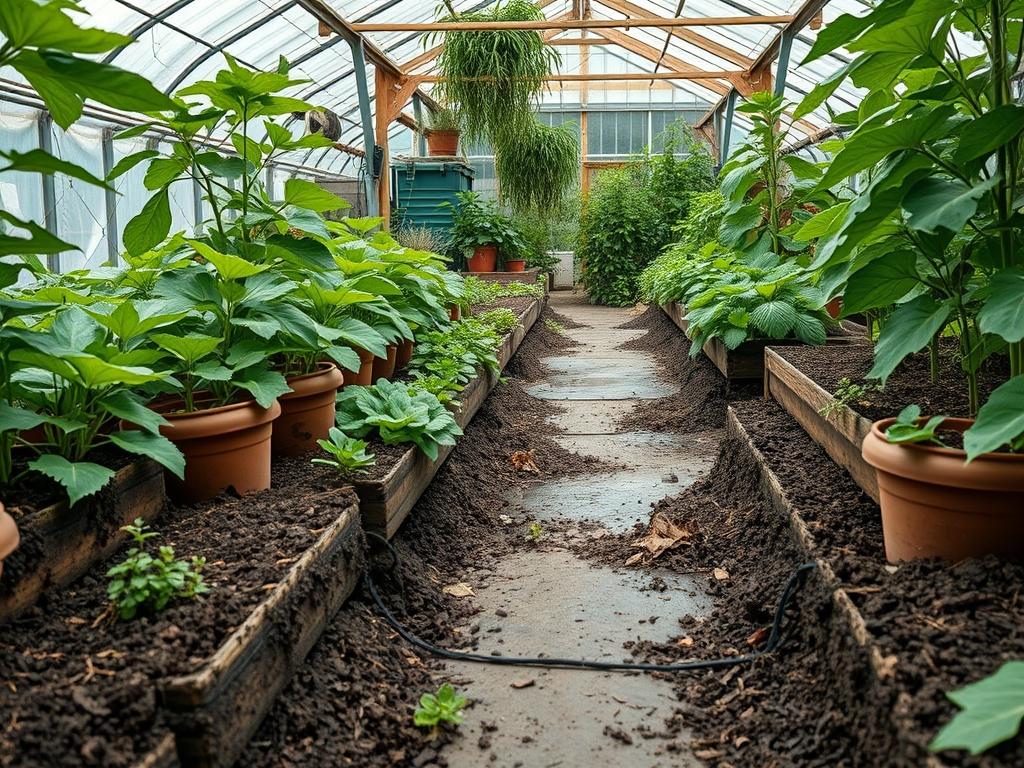
Integrating edible elements into a high-end landscape requires a delicate balance between functional yield and aesthetic sophistication. While many homeowners relegate vegetable gardens to forgotten corners, a well-designed cucumber installation serves as a vibrant vertical focal point that enhances the overall architecture of an outdoor space. The success of this endeavor rests almost entirely on two foundational pillars: the structural integrity of the vertical supports and the chemical composition of the earth below. Identifying the best soil for cucumbers is not merely a task for a weekend gardener; it is a critical specification for a landscape architect who aims to ensure long-term vitality and curb appeal. Because these plants are heavy feeders with a high water content, their placement must be strategic, considering both the visual symmetry of the property and the microclimates created by nearby hardscaping or structures.
In professional landscape design, we view the cucumber vine as a living tapestry. To manage this vigorous growth, we must address the soil profile with the same precision used for foundation grading. The best soil for cucumbers must provide a balance of drainage and moisture retention, typically achieved through a high-quality Sandy Loam mixed with organic matter. If the soil is too dense, the root systems will suffocate, leading to stunted growth and yellowing foliage that detracts from the garden’s visual harmony. Conversely, overly sandy soil will leach nutrients too quickly, requiring excessive fertilization that can disrupt the local ecosystem. By prioritizing soil health and rigorous trellising, we transform a simple vegetable patch into a lush, architectural feature that provides privacy, shade, and a sense of bounty.
Landscape Design Principles
A professional landscape is defined by its structure, and integrating vining crops like cucumbers allows a designer to play with elevation and layers. Symmetry is often used to frame views or pathways; placing matching Cedar Trellises on either side of a garden entrance creates a formal, welcoming transition. Focal points are equally important. A central Obelisk Trellis draped in emerald green vines can draw the eye toward the center of a courtyard, providing a soft contrast to the hard lines of a stone patio.
Elevation layers are achieved by using the verticality of the plants to bridge the gap between low-growing groundcovers and taller woody shrubs or trees. When cucumbers are trellised, they occupy a middle-tier elevation that adds depth to the landscape. This vertical growth also facilitates better air circulation, which is essential for preventing powdery mildew, a common aesthetic and health issue in humid climates. Irrigation planning is another core principle; we typically recommend a buried Drip Irrigation System with pressure-compensating emitters. This ensures that the water reaches the root zone without wetting the foliage, maintaining a clean look and reducing water waste.
Walkways should be wide enough to accommodate growth without impeding movement. We recommend at least 36 inches of clearance between a trellis and a primary path. This prevents the vigorous vines from snagging on guests’ clothing or encroaching on the clean lines of a Flagstone Path. Visual balance is maintained by pairing the delicate texture of cucumber leaves with bolder, broader-leafed companion plants or architectural hardscape elements like Steel Edging or Concrete Retaining Walls.
Plant and Material Selection
| Plant Type | Sun Exposure | Soil Needs | Water Demand | Growth Speed | Maintenance Level |
| :— | :— | :— | :— | :— | :— |
| Slicing Cucumber | Full Sun | Sandy Loam | High | Fast | Moderate |
| Pickling Cucumber | Full Sun | Well-draining Compost | Moderate | Fast | High |
| Armenian Cucumber | Full Sun | Deep Organic Mulch | Moderate | Very Fast | Moderate |
| Sweet Alyssum | Full Sun/Part Shade | Standard Garden Soil | Low | Moderate | Low |
| Dill | Full Sun | Loamy Soil | Moderate | Fast | Low |
| French Marigolds | Full Sun | Well-drained Soil | Low | Moderate | Low |
Implementation Strategy
The implementation of a professional-grade cucumber garden begins with site grading and drainage analysis. We start by ensuring the area has a 2 percent slope away from nearby structures to prevent water pooling. Once the grade is established, we install the hardscaping elements. For cucumbers, we prefer Heavy-Duty Cattle Panels or custom Wrought Iron Trellises anchored with Concrete Footings to ensure they can withstand the weight of a mature crop and high winds.
When preparing the planting area, we excavate to a depth of 18 inches and backfill with a custom soil blend. To create the best soil for cucumbers, we mix 60% Screened Topsoil, 30% Aged Leaf Compost, and 10% Perlite for aeration. This mixture provides a rich environment with a pH of 6.5 to 7.0, which is the optimal range for nutrient uptake. Once the soil is in place, we install Aluminum Edging to create a crisp border between the planting bed and the surrounding lawn or mulch.
Mulch depth is a critical final step. We apply 3 inches of Triple-Shredded Hardwood Mulch or Pine Straw to the surface. This layer regulates soil temperature, suppresses weeds, and prevents soil-borne pathogens from splashing onto the leaves during rain events. For the irrigation, 1/2-inch Poly Tubing is laid beneath the mulch, with 2-GPH (gallons per hour) Drippers positioned at the base of each plant. This hidden infrastructure ensures the landscape remains functional without sacrificial beauty.
Common Landscaping Failures
One of the most frequent errors in garden planning is failing to account for soil compaction. In new construction, builders often leave behind highly compacted subsoil that acts like a concrete bowl. If the best soil for cucumbers is simply dumped on top of this layer without tilling or incorporating it, the roots will eventually hit the barrier and rot due to poor drainage. This “bath tub effect” is a leading cause of plant failure in residential landscapes.
Improper spacing is another common pitfall. While it is tempting to plant densely for immediate impact, cucumbers require space for airflow. Overcrowding leads to poor light penetration and increased humidity within the leaf canopy, creating a breeding ground for pests like Cucumber Beetles. We recommend a minimum spacing of 12 inches between plants on a trellis.
Furthermore, irrigation inefficiencies often result from overhead watering. Sprinklers that drench the foliage can lead to fungal diseases that turn the garden into an eyesore by mid-summer. Additionally, many homeowners neglect the structural requirements of the vines. A flimsy Wooden Lattice will often bow or collapse under the weight of 10 to 15 pounds of fruit and foliage, ruining the architectural lines of the design.
Seasonal Maintenance
Spring is the season for preparation and foundation building. We begin by testing the soil nitrogen, phosphorus, and potassium (NPK) levels and amending the beds as needed. This is also the time to inspect irrigation lines for leaks and clean any debris from the trellis structures. As the weather warms, young seedlings are trained onto the supports using Soft Plant Ties or Jute Twine.
In the summer, maintenance shifts to monitoring and pruning. To keep the landscape looking curated, we perform “sucker pruning,” removing small lateral shoots to encourage upward growth and larger fruit. Constant monitoring of the Drip Irrigation timer is necessary as temperatures rise, often increasing the frequency to daily watering during heatwaves.
Autumn focuses on the transition and sanitation. Once the harvest concludes, we remove all plant debris to prevent pests from overwintering in the soil. This is the ideal time to add a fresh 2-inch layer of Compost to the beds, allowing it to break down and integrate over the winter months. Winter maintenance involves structural inspections. We check the tension on Stainless Steel Cables and apply a fresh coat of sealant to any Cedar Components to protect them from moisture and freeze-thaw cycles.
Professional Landscaping FAQ
What is the ideal soil pH for cucumbers?
The best soil for cucumbers should maintain a pH between 6.0 and 7.0. This slightly acidic to neutral range ensures that essential micronutrients remain chemically available to the plant roots for optimal growth and fruit production.
How deep should the soil be for trellised cucumbers?
A minimum soil depth of 12 to 18 inches is recommended. This provides ample space for the primary taproot and extensive lateral root system to anchor the plant and access moisture during the heat of the day.
Can I use heavy clay soil for my garden?
Heavy clay is generally unsuitable because it retains too much water and lacks oxygen. To improve it, incorporate large amounts of Organic Compost and Coarse Sand to break up the particles and enhance the internal drainage.
What are the best materials for a cucumber trellis?
For long-term durability and aesthetic appeal, use Powder-coated Steel, A-grade Cedar, or Galvanized Cattle Panels. These materials resist rot and can support the significant weight of mature vines without sagging or breaking.
How often should a professional irrigation system run?
Irrigation frequency depends on weather, but generally, cucumbers require 1 to 2 inches of water per week. A drip system should be programmed to deliver deep, consistent moisture to the root zone, typically every 2 to 3 days.