
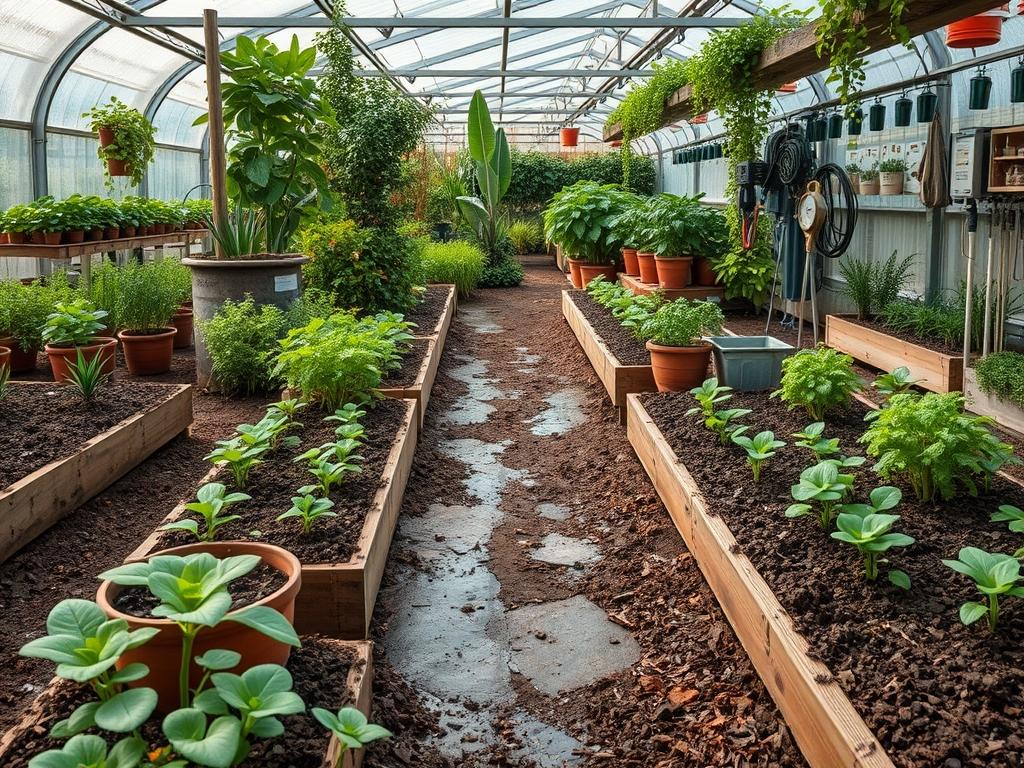
Creating a cohesive outdoor environment requires more than just a spatial eye; it demands a deep understanding of the chemical interactions occurring beneath the turf and mulch. Landscape architects often face the challenge of balancing aesthetic curb appeal with the functional requirements of a productive garden. Whether you are designing a sleek contemporary courtyard or a sprawling transitional estate, the vitality of your greenery dictates the success of the project. Nitrogen deficiency is a frequent culprit in lackluster landscapes, often manifesting as yellowing leaves or stunted growth in what should be a lush, vibrant canopy. To combat this, professionals look toward concentrated organic amendments. Integrating blood meal soil benefits into your management plan provides a strategic advantage, specifically for nitrogen hungry leafy greens that serve as the structural foundation of edible landscapes and ornamental borders alike.
Effective landscape planning must account for local climate variables, soil architecture, and the long term goals of the property owner. A garden that looks magnificent in its first month but withers by the second season is a failure of technical foresight. High traffic areas and feature beds require a robust nutrient profile to withstand environmental stressors such as heat waves or heavy foot traffic. By focusing on the biological health of the soil through organic high nitrogen sources, we ensure that the leafy greens, whether they are Boxwoods used for hedging or Swiss Chard utilized for textural contrast, maintain their deep pigment and structural integrity. This professional approach elevates a simple backyard to a sophisticated outdoor living space that functions as a self-sustaining ecosystem.
Landscape Design Principles
Symmetry and focal points are the cornerstones of a balanced landscape. When planning a garden that incorporates leafy greens, we often use these plants to create soft transitions between hardscaped elements like natural stone pavers and taller woody perennials. Symmetry does not always mean a mirror image; rather, it refers to the visual weight of the foliage. Using Blood Meal during the planting phase ensures that these greens grow at a consistent rate, preventing lopsided growth patterns that can ruin the intended geometry of a formal garden. Focal points can be further enhanced by the rich, dark greens produced by high nitrogen levels, providing a stark backdrop for colorful blooms or architectural features like corrugated steel planters.
Elevation layers and irrigation planning are equally critical. A well-designed landscape utilizes varied heights to create depth, often employing retaining walls or raised beds to manage grade changes. Within these layers, drainage must be meticulously calculated to prevent the leaching of nutrients. Blood meal is highly soluble, which means it becomes available to the plants quickly after hydration. Therefore, your drip irrigation system should be calibrated to provide consistent moisture without oversaturating the root zone. This precision allows for the “layering” of textures, from ground-level Arugula to mid-height Bok Choy, all while maintaining the sharp edges and clean lines required for modern curb appeal.
Plant and Material Selection
Selecting the right species involves more than picking what looks good at the nursery. We must evaluate sun exposure, soil composition, and the specific nutrient demands of each plant. The following table outlines several leafy greens and ornamentals that respond exceptionally well to the nitrogen boost provided by blood meal soil benefits.
| Plant Type | Sun Exposure | Soil Needs | Water Demand | Growth Speed | Maintenance |
| :— | :— | :— | :— | :— | :— |
| Kale | Full Sun | Loamy, pH 6.0-7.5 | Moderate | Fast | Low |
| Spinach | Part Shade | Well-Drained | High | Rapid | Medium |
| Swiss Chard | Full/Part Sun | Rich, Organic | Moderate | Fast | Low |
| Arugula | Full Sun | Sandy/Loamy | Moderate | Very Rapid | Medium |
| Bok Choy | Part Sun | Moist, Nitrogen-rich | High | Fast | High |
| Sweet Basil | Full Sun | Well-Drained, Warm | Moderate | Fast | Medium |
| Hostas | Full Shade | Moist, Rich | High | Slow/Med | Low |
Implementation Strategy
The transition from a blueprint to a thriving garden requires a methodical implementation strategy. Begin with professional grading to ensure water flows away from the home foundation and toward designated French drains or bioswales. Once the subgrade is established, the placement of hardscaping elements like granite cobbles or timber edging defines the boundaries of your planting zones. Before the first plant goes into the ground, soil testing is mandatory. If the nitrogen levels are low, incorporating Blood Meal into the top 6 inches of soil provides an immediate boost for the upcoming growing season.
When laying out your plants, follow the “thriller, filler, spiller” method for container gardens, or the “background, mid-ground, foreground” strategy for larger beds. Dig holes that are twice as wide as the root ball of your Spinach or Kale starts. Mix a small amount of blood meal with the backfill soil to encourage rapid root establishment. Once the plants are set, apply a layer of hardwood mulch at a depth of 3 inches to regulate soil temperature and retain moisture. Use steel landscape edging to create a crisp transition between the mulched beds and the lawn, ensuring that nutrients remain concentrated where they are needed most.
Common Landscaping Failures
One of the most frequent mistakes in professional landscaping is the neglect of proper drainage. Even the highest quality soil amendments cannot overcome waterlogged roots. When water sits stagnant, it creates anaerobic conditions that lead to root rot and the loss of expensive plant material. Another common failure is root overcrowding. Designers often plant for “instant impact” by placing Lettuce or Hostas too close together. While this looks full on day one, it leads to competition for nutrients and poor air circulation, which invites fungal pathogens.
Soil compaction is a hidden killer in new builds. Heavy machinery used during construction can compress the earth to the density of concrete. Without proper aeration using a core aerator or a broadfork, the blood meal you apply will simply sit on the surface and wash away during the first heavy rain. Furthermore, irrigation inefficiencies, such as using overhead sprays in the heat of the day, lead to significant water loss through evaporation and can cause leaf scorch on delicate greens. Professional systems should prioritize soaker hoses or subsurface emitters to deliver water directly to the rhizosphere.
Seasonal Maintenance
Landscape management is a year-round commitment. In the spring, the focus is on “awakening” the soil. This is the primary window for applying blood meal soil benefits as the soil temperatures rise above 50 degrees Fahrenheit. Use a hand rake to incorporate the amendment around the base of emerging perennials. This surge of nitrogen supports the initial flush of foliage that defines the garden’s look for the rest of the year.
As summer arrives, maintenance shifts to hydration and pest management. High nitrogen levels can sometimes attract aphids to succulent Kale leaves, so regular inspections are necessary. By autumn, the goal is to prepare plants for dormancy or to sustain late season harvests. Avoid heavy nitrogen applications late in the fall, as this can encourage tender new growth that will be killed by the first frost. Instead, focus on adding organic compost and a fresh 2 inch layer of mulch to insulate the roots. During winter, take the time to clean your bypass pruners and shovels, and review your landscape’s performance to plan for any necessary structural changes in the coming year.
Professional Landscaping FAQ
How often should I apply blood meal to my greens?
For most leafy greens, a single application during the early spring planting phase is sufficient. For long season crops like Kale, a second light application can be performed mid-summer to maintain color and vigor.
Can blood meal burn my plants?
Yes, because it is a highly concentrated source of nitrogen, over-application can “burn” delicate root systems. Always follow the recommended dosage on the packaging, typically around 1 pound per 100 square feet, and water thoroughly after application.
Does blood meal affect the soil pH?
Blood meal is slightly acidic. If you are working with soil that is already highly acidic, you may need to balance the application with garden lime to maintain a neutral pH profile suitable for most vegetables.
Is blood meal safe for pets in the landscape?
While organic, the scent of blood meal can be attractive to dogs who may try to dig in the garden beds. It is best to incorporate it deeply into the soil and cover the area with mulch to mask the aroma.
How does blood meal compare to synthetic fertilizers?
Blood meal provides a more sustainable, slow-release form of nitrogen compared to synthetic salts. It supports soil microbiology rather than just feeding the plant, leading to better soil structure and long term landscape health.