
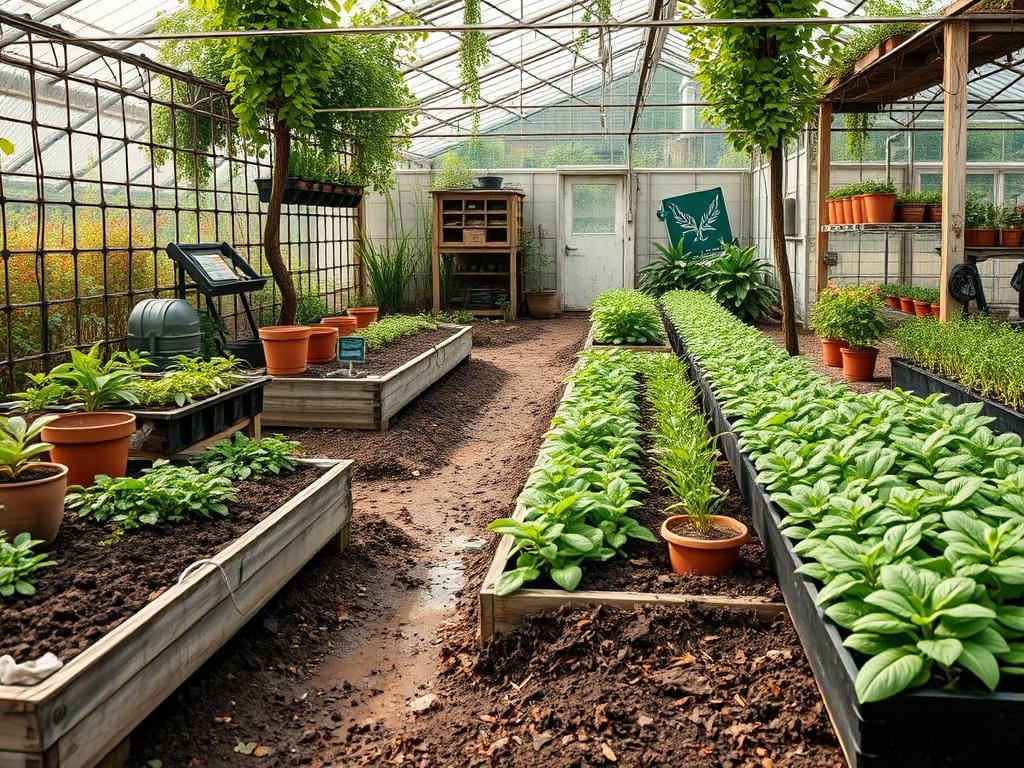
Soil chemistry represents the invisible architecture of any high-end landscape project. While homeowners often focus on the aesthetic allure of vibrant blooms and lush turf, the senior landscape architect understands that the viability of these features rests entirely on the performance of the substrate. Correcting acidic soil is a prerequisite for long-term curb appeal and structural plant health, especially in regions where heavy rainfall or decomposing organic matter has depleted essential minerals. When the potential of hydrogen, or pH, drops below a certain threshold, the availability of macronutrients like nitrogen, phosphorus, and potassium becomes restricted. This creates a functional deficit in the garden, often manifesting as stunted growth, yellowing leaves, and a general failure of the landscape to reach its designed maturity.
Addressing soil acidity through the strategic application of Garden Lime is not merely a maintenance task; it is a fundamental restoration of the outdoor environment. From a consulting perspective, we look at the soil as a living medium that must support significant financial investments in nursery stock and hardscaping. If the soil remains too acidic, even the most advanced Irrigation Systems and expensive fertilizers will fail to deliver the desired results. By neutralizing acidity, we unlock the soil’s capacity to host a diverse palette of flora, ensuring that the visual balance and functional goals of the property are met for decades to come.
Landscape Design Principles
Successful garden planning requires a balance between aesthetic intent and biological reality. One must consider how soil correction influences the overall landscape design principles, specifically symmetry and focal points. When a site has uneven pH levels, plants on one side of a primary walkway may thrive while their counterparts struggle, destroying the intended visual symmetry. Landscape architects use Dolomitic Lime or Calcitic Lime to create a uniform growing environment, allowing for the consistent growth patterns required in formal designs.
Focal points also depend heavily on soil health. A specimen tree, such as a Sugar Maple, requires a near-neutral pH to display its full autumnal brilliance. If the soil is too acidic, the tree may exhibit canopy dieback, undermining the structural integrity of the design. Furthermore, elevation layers must be considered when correcting acidic soil. Areas with significant slopes may experience lime runoff during heavy irrigation or rain events. In these scenarios, we must plan for Retaining Walls or terracing to stabilize the soil and ensure the lime penetrates the root zone effectively rather than leaching into lower-lying drainage basins.
Walkway integration and irrigation planning are equally vital. High-traffic areas often suffer from Soil Compaction, which prevents lime from migrating downward through the soil profile. We recommend aerating the soil to a depth of 4 Inches to 6 Inches before application. This ensures that the chemical reaction occurs where it is most needed. Additionally, Drip Irrigation should be calibrated to maintain consistent moisture levels after application, as water is the primary catalyst that allows the lime to react with soil particles and raise the pH level to the target range of 6.0 to 7.0.
Plant and Material Selection
The transition from an acidic environment to a neutral one allows for a much broader selection of plant materials. While some species like Azaleas and Blueberries prefer acidic conditions, the majority of ornamental and functional landscape plants require a more balanced profile. Selecting the right materials involves a deep understanding of sun exposure and water demand.
| Plant Type | Sun Exposure | Soil Needs | Water Demand | Growth Speed | Maintenance Level |
| :— | :— | :— | :— | :— | :— |
| Kentucky Bluegrass | Full Sun | 6.5 – 7.0 pH | High | Moderate | High |
| Boxwood Shrubs | Partial Shade | Well-Drained | Moderate | Slow | Low |
| Lavender | Full Sun | Alkaline/Neutral | Low | Moderate | Moderate |
| Clematis | Full Sun/Roots in Shade | Neutral | Moderate | Fast | High |
| Lilacs | Full Sun | 7.0 pH | Moderate | Moderate | Low |
| Yew Hedge | Full to Partial Shade | Neutral | Moderate | Slow | Moderate |
When sourcing materials for correcting acidic soil, Pelletized Lime is often preferred over powdered versions for professional applications. This material is easier to distribute evenly across a 5,000 Square Foot lawn using a Broadcast Spreader. Furthermore, the inclusion of Organic Compost or Peat Moss can help buffer the soil, though these materials may temporarily increase acidity during decomposition, necessitating a careful balance with your lime application.
Implementation Strategy
The implementation of a soil correction plan should be methodical and data-driven. We begin with a comprehensive Soil Test Kit to determine the current pH and mineral content. Without a precise measurement, any application of lime is a guess that could lead to over-alkalization. Once the data is analyzed, we calculate the required dosage, typically measured in pounds per 1,000 Square Feet. For example, a sandy soil may only require 25 Pounds of lime to shift the pH, whereas a heavy clay soil might need 100 Pounds for the same result.
Grading and edging are the next steps in the implementation phase. We ensure the site is graded away from the home foundation to prevent moisture accumulation, which can lead to localized “hot spots” of acidity. Proper Steel Edging or Stone Edging helps contain treated soil within specific garden beds, preventing the lime from affecting acid-loving species planted nearby. Once the lime is spread, it should be integrated into the top 6 Inches of the soil using a Power Tiller or Hand Rata for localized beds.
After integration, a layer of Hardwood Mulch at a depth of 2 Inches to 3 Inches is applied. This mulch serves multiple purposes: it retains the moisture necessary for the lime to react, prevents weed germination, and aesthetically finishes the garden bed. For large-scale backyard layouts, we also consider the placement of French Drains. Proper drainage prevents the soil from becoming waterlogged, which is a common cause of increased acidity due to the accumulation of carbon dioxide and organic acids in anaerobic conditions.
Common Landscaping Failures
One of the most frequent mistakes in landscape management is the failure to account for drainage in the context of soil chemistry. Poorly drained soil becomes sour and acidic very quickly. If a professional does not address the underlying Subsurface Drainage issues before applying lime, the correction will be temporary and ineffective. Waterlogged roots also lead to root rot, which further acidifies the rhizosphere as the plant material decays.
Root overcrowding and improper spacing are other silent killers of a well-planned landscape. When plants are packed too tightly, they compete for the limited lime and nutrients available in the soil. This competition causes uneven pH levels across a single bed, leading to patchy growth. Furthermore, Soil Compaction from heavy equipment during the construction phase often goes unaddressed. Compacted soil lacks the pore space necessary for air and water to circulate, which inhibits the chemical reaction of the lime and prevents it from reaching the deeper root structures of trees and shrubs.
Finally, irrigation inefficiencies can undermine the entire process of correcting acidic soil. Over-watering can leach the calcium and magnesium provided by the lime right out of the root zone, especially in sandy soils. Conversely, underwatering prevents the lime from dissolving and reacting with the soil particles. A professional must synchronize the Smart Irrigation Controller with the soil correction schedule to ensure the chemistry remains stable throughout the growing season.
Seasonal Maintenance
Landscape management is a year-round commitment that changes with the seasons. In the spring, the focus should be on observation. As the ground thaws, we check for signs of lime response in the emerging foliage. If the new growth on Peonies or Clematis looks pale, a supplemental application of a fast-acting liquid lime may be necessary to provide an immediate boost while the granular version continues to break down.
Summer maintenance involves monitoring moisture. High heat can stress plants and alter the way they up-take nutrients. We ensure that the Irrigation System is functioning at peak efficiency and that the Mulch layers are intact to protect the soil surface from baking. In autumn, we perform our primary soil tests. Fall is actually the ideal time for correcting acidic soil because the freezing and thawing cycles of winter help move the lime deeper into the soil profile. Applying Garden Lime in October or November allows for a full six months of reaction time before the spring planting season begins.
Winter is the time for planning and structural maintenance. While the garden is dormant, we can assess the Hardscaping and Retaining Walls for any shifting. It is also a good time to service application equipment like Spreaders and Aerators. By maintaining a consistent seasonal schedule, we ensure that the soil pH remains in the “sweet spot” of 6.5 pH, providing the perfect foundation for a lush, professional-grade landscape that enhances both the value and the enjoyment of the property.
Professional Landscaping FAQ
How long does it take for garden lime to change the soil pH?
It typically takes between 6 Months and 1 Year for a significant pH shift to occur. The reaction speed depends on soil moisture, temperature, and the fineness of the lime used. Fall application is usually best for spring results.
Can I apply lime and fertilizer at the same time?
It is generally discouraged. Lime can react with nitrogen-based fertilizers, causing the nitrogen to escape as gas. For the best efficiency, apply your Garden Lime and wait at least 2 Weeks before applying any supplemental fertilizers to the area.
What is the difference between calcitic and dolomitic lime?
Calcitic Lime is primarily calcium carbonate and works quickly to raise pH. Dolomitic Lime contains both calcium and magnesium. Professionally, we use dolomitic versions if a soil test indicates a magnesium deficiency in the landscape.
How do I know if my soil is too acidic without a lab test?
While a lab test is preferred, physical indicators include the presence of Moss, Fiddlehead Ferns, or Wild Strawberries. If your Lawns are thin and struggle to compete with weeds, high acidity is a very likely culprit.
Will lime harm my existing acid-loving plants?
Yes, it can. Species like Hydrangeas, Rhododendrons, and Holly thrive in low-pH environments. When correcting acidic soil, use Plastic Edging or physical barriers to ensure the lime does not drift into the root zones of these specific plants.