Successful landscape design often hinges on the invisible components beneath the surface. While homeowners frequently focus on the vibrant colors of perennials or the architectural height of decorative trees, the subterranean environment dictates the longevity and vitality of the entire ecosystem. For those incorporating an edible landscape or a dedicated kitchen garden, understanding the best soil for onions is a fundamental requirement. Onions are unique because their primary harvestable portion grows entirely underground. This means the soil structure directly influences the final size, shape, and flavor of the bulb. Integrating these crops into a backyard plan requires a sophisticated balance between functionality and curb appeal. When site grading and soil texture are ignored, the result is often stagnant water and stunted growth, which ultimately detracts from the outdoor living experience.
A well planned landscape serves as an extension of the home, providing both beauty and utility. In many modern designs, the transition between ornamental flower beds and vegetable patches is becoming more fluid. By utilizing professional grading techniques and high quality soil amendments, a designer can ensure that even the most demanding crops thrive. The challenge with onions lies in their sensitive root systems and their need for unhindered bulb expansion. If the ground is too heavy or compacted, the bulb cannot displace the surrounding earth as it grows. Therefore, the search for the best soil for onions leads many landscape consultants toward a sandy loam or a heavily amended silt. This focus on drainage and aeration is not merely a gardening preference; it is a structural necessity that prevents rot and allows the plant to reach its full genetic potential.
Landscape Design Principles
Effective landscaping requires a mastery of symmetry and focal points to guide the eye across the property. When planning a space that includes onions, designers often utilize raised beds or terraced elevation layers to separate the edible zones from the rest of the yard. This elevation serves two purposes. First, it creates a visual hierarchy within the garden, making the harvest area look intentional rather than accidental. Second, it significantly improves drainage, which is the most critical factor for onion health. By lifting the planting area 8 inches to 12 inches above the natural grade, you can control the soil composition more precisely, ensuring it stays loose and friable.
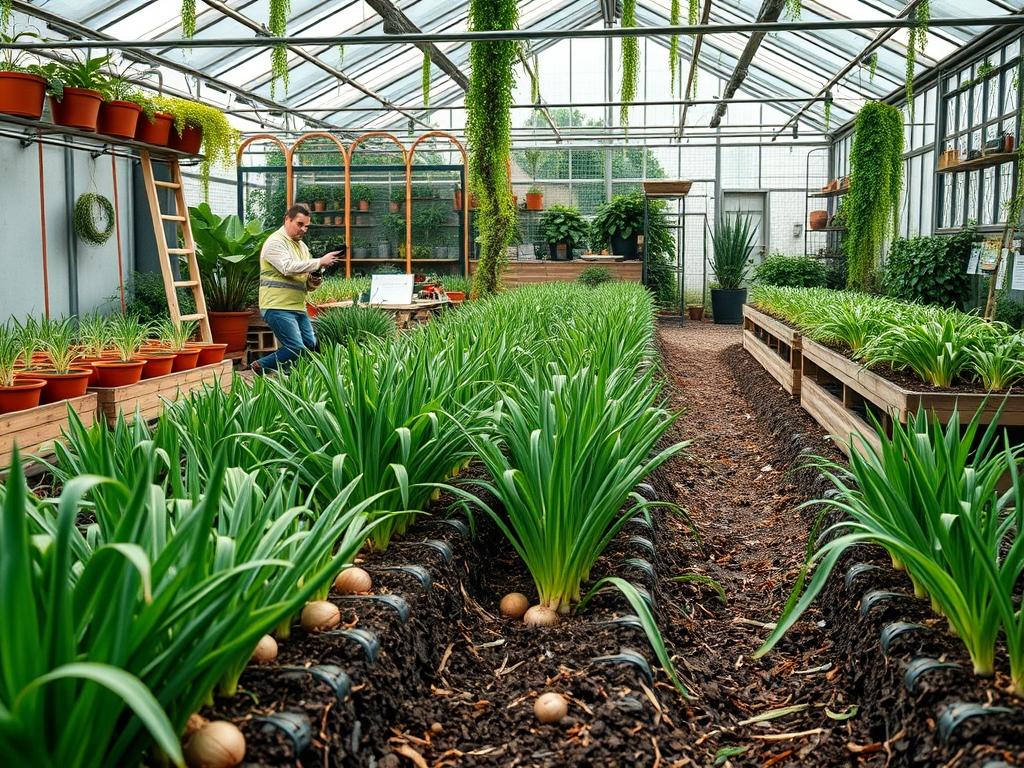
Irrigation planning is another pillar of high end landscape design. Onions require consistent moisture, yet they are highly susceptible to fungal issues if the soil remains waterlogged. Professionals often install drip irrigation tubing buried beneath a thin layer of mulch to deliver water directly to the roots. This method maintains the balance of the garden’s visual aesthetic by hiding black plastic pipes while also reducing water waste. Walkways made of crushed stone or flagstone should be integrated around these beds to prevent soil compaction from foot traffic. When the soil around bulbs is stepped on, it loses the pore space necessary for oxygen exchange, which is why clearly defined paths are essential for long term soil health.
Plant and Material Selection
Choosing the right materials and companion plants is vital for a cohesive outdoor environment. The following table highlights common selections for a well drained, sun drenched landscape focused on edible and ornamental synergy.
| Plant Type | Sun Exposure | Soil Needs | Water Demand | Growth Speed | Maintenance |
| :— | :— | :— | :— | :— | :— |
| Onions (Allium cepa) | Full Sun | Loose, Sandy Loam | Moderate | Medium | Medium |
| Rosemary (Salvia rosmarinus) | Full Sun | Well Drained | Low | Moderate | Low |
| Lavender (Lavandula) | Full Sun | Gritty, Alkaline | Low | Moderate | Low |
| Thyme (Thymus vulgaris) | Full Sun | Sandy, Dry | Low | Fast | Low |
| Coreopsis | Full Sun | Poor to Average | Low | Fast | Low |
The best soil for onions should always be enriched with organic compost to provide slow release nutrients. In addition to the biological needs of the plants, the hardscaping materials must be selected for durability. For retaining walls or raised bed frames, cedar wood or natural stone are preferred for their resistance to rot and their ability to blend into a professional landscape.
Implementation Strategy
The process of building a productive garden starts with site grading. A professional consultant will first evaluate the slope of the land to ensure that runoff is directed away from the house and into appropriate drainage fields. If you are preparing a flat area for onions, you may need to introduce perlite or coarse sand to the native earth to increase the macro-pore space. The goal is to create a medium where a handful of soil can be squeezed and then easily fall apart when released. This crumbly texture is the hallmark of the best soil for onions.
Once the grade is set, the next step involves edging. Professional steel edging or poured concrete borders keep lawn grasses from encroaching into the loose soil of the onion beds. After the borders are established, a layer of landscape fabric may be used in pathways, but it should be avoided within the actual planting beds to allow for deep root penetration. Spread 3 inches of aged leaf mold or compost over the surface and incorporate it into the top 6 inches of soil using a tine rake or a garden spade. This depth is sufficient for onions, as their roots do not typically descend much further. Finally, the irrigation system should be tested for even distribution before any seeds or sets are placed.
Common Landscaping Failures
One of the most frequent mistakes in backyard planning is ignoring soil compaction. Construction equipment or even heavy foot traffic can crush the soil structure, turning a promising garden into a hard, impenetrable layer. In such conditions, onions will become misshapen and small. Another failure involves the improper use of mulch. While mulch is excellent for moisture retention, applying it too thickly or using a non-porous material can trap excess moisture against the neck of the onion, leading to crown rot. A depth of 2 inches of pine straw or shredded bark is usually the maximum recommended amount for these crops.
Irrigation inefficiencies also plague many residential landscapes. Overhead sprinklers often leave the foliage wet for too long, which invites downy mildew and other pathogens. Furthermore, failing to account for the soil’s drainage rate can lead to “wet feet” where the bottom of the onion bulb sits in a pool of anaerobic mud. To avoid this, a professional test of the soil’s percolation rate should be performed. If the water takes longer than an hour to drain from a small hole, additional organic matter or a French drain system must be installed to protect the investment.
Seasonal Maintenance
Landscape management is a year round commitment that changes with the weather. In the spring, the focus is on soil preparation and the initial planting. This is the time to test the pH levels; onions prefer a slightly acidic to neutral range, typically between 6.0 and 7.0. If the soil is too acidic, a light application of pelletized lime might be necessary. As summer arrives, the priority shifts to moisture management and weed control. Because onions do not compete well with aggressive weeds, keeping the loose soil clear of intruders is paramount for a high yield.
During the autumn months, as the onion tops begin to yellow and fall over, irrigation should be scaled back to allow the bulbs to cure in the ground for a few days before harvest. Once the harvest is complete, the landscape professional will often recommend a cover crop or a thick layer of winter mulch to prevent soil erosion. In the winter, the focus turns to hardscape repair and planning for the next cycle. This is an excellent time to inspect retaining walls and drainage grates for any debris or damage caused by freezing temperatures.
Professional Landscaping FAQ
What is the best soil for onions in heavy clay areas?
In clay heavy regions, the best approach is to build raised beds. Mixing the existing clay with coarse sand and organic compost will improve the structure. This creates the loose, well drained environment onions need to expand without restriction.
How deep should I till the soil for onion planting?
You should aim for a depth of at least 8 inches to 12 inches. While onion roots are relatively shallow, loosening the soil to this depth ensures superior drainage and allows the bulb to develop without encountering hard, compacted layers.
Why is drainage so important for onion health?
Onions are highly susceptible to root rot and fungal infections. When soil holds too much water, it displaces oxygen. Without oxygen, the roots suffocate and the bulb begins to decay, often before the gardener notices any symptoms above the surface.
Can I use decorative stone as mulch for onions?
It is not recommended. Decorative stone can trap heat and crush the delicate necks of the onions. The best soil for onions should be covered with a light, organic mulch like straw or shredded leaves to maintain moisture and temperature.
How often should I test my garden soil?
A professional soil test should be conducted every 2 years to 3 years. This ensures that the nutrient balance remains optimal and that the soil maintains the proper pH range for healthy bulb development and overall landscape vigor.