Creating a sophisticated outdoor environment requires more than a keen eye for aesthetics; it demands a deep understanding of the biological requirements of your primary botanical assets. For homeowners and developers aiming to maximize curb appeal through the timeless elegance of Gardenia jasminoides, soil preparation is the single most critical factor in long term success. Gardenias are often considered the temperamental royalty of the landscape, prized for their waxy white blooms and intoxicating fragrance. However, achieving those lush, deep green leaves depends entirely on the substrate. The best soil for gardenias must provide a specific balance of acidity, moisture retention, and aeration that only high organic content can deliver. In professional landscape architecture, we view the soil not just as dirt, but as a living engineering system that facilitates nutrient uptake and gas exchange.
A successful landscape design integrates these shrubs into high traffic areas such as entryways or outdoor seating zones where their fragrance can be appreciated. Yet, without the proper soil foundation, these plants often succumb to iron chlorosis or root rot, turning a premium landscape into a maintenance liability. Designers must account for local climate variables, moving beyond simple aesthetics to address the structural integrity of the planting bed. High organic matter, such as sphagnum peat moss, leaf mold, and composted manure, ensures the soil maintains a low pH while providing the friability necessary for delicate roots to expand. This transition from a residential garden to a professional grade landscape begins with the technical specifications of the earth itself.
Landscape Design Principles
In the realm of high end landscape architecture, gardenias function as versatile structural elements. They provide a dense, evergreen texture that serves as an excellent mid level layer in a tiered planting scheme. We frequently use them to establish symmetry near formal entryways or as foundational focal points that soften the hard lines of a building’s architecture. To achieve visual balance, it is essential to consider the final height and spread of the cultivar, ensuring it does not obstruct sightlines or overwhelm nearby walkways.
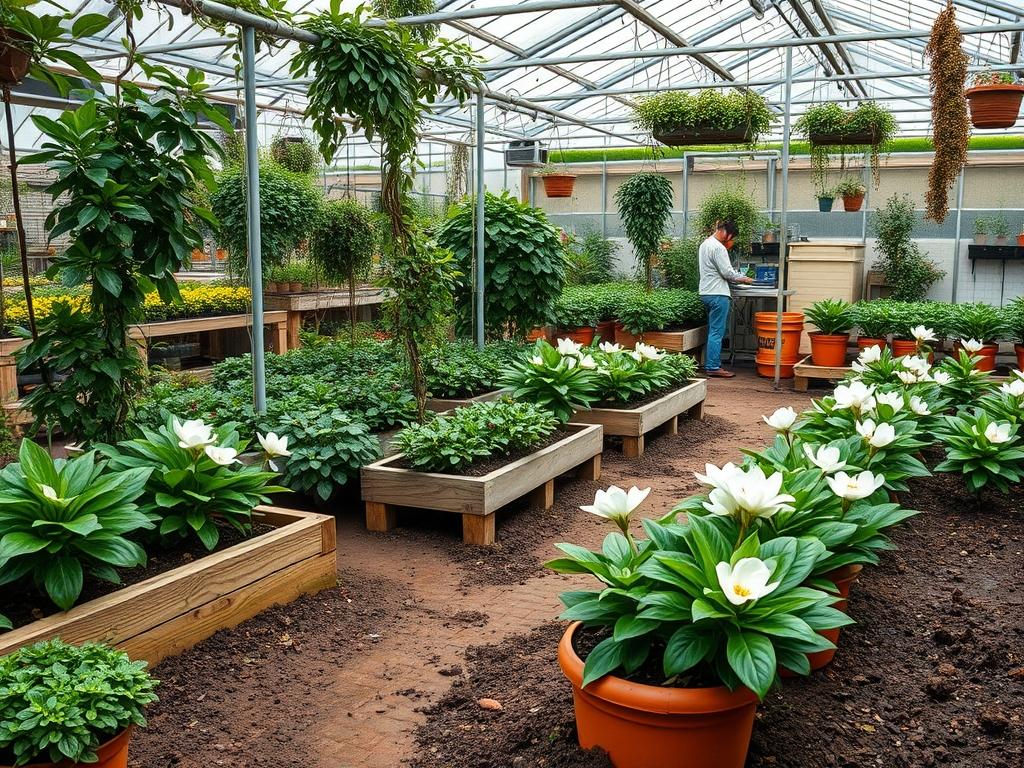
Elevation layers play a dual role in both design and functionality. By utilizing raised beds or subtle landscape berms, we can introduce topographical interest while simultaneously solving drainage challenges. Gardenias are particularly sensitive to “wet feet,” meaning their roots cannot sit in stagnant water. Constructing raised planting areas using a high quality topsoil blended with organic amendments allows us to control the drainage profile more effectively than planting in native grade. Furthermore, irrigation planning must be integrated into the initial design phase. Professional layouts often utilize drip irrigation tubing buried beneath a layer of hardwood mulch to deliver water directly to the root zone, minimizing foliar moisture which can lead to fungal issues like powdery mildew.
Visual transitions are another key principle. We often pair gardenias with textured groundcovers or contrasting foliage to create depth. A well planned walkway flanked by fragrant shrubs creates a sensory journey, turning a standard path into an immersive experience. To maintain this effect, the soil must be consistently acidic, typically between a pH of 5.0 and 6.0. If the soil chemistry drifts toward alkaline, the plant will fail to bloom, and the foliage will lose its characteristic luster, ruining the intended visual impact.
Plant and Material Selection
| Plant Type | Sun Exposure | Soil Needs | Water Demand | Growth Speed | Maintenance Level |
| :— | :— | :— | :— | :— | :— |
| Gardenia jasminoides | Partial Shade to Full Sun | High Organic, Acidic | Moderate to High | Moderate | High |
| Azalea (Rhododendron) | Filtered Sunlight | Rich, Acidic Soil | Moderate | Slow to Moderate | Moderate |
| Camellia japonica | Shade to Partial Sun | Well-Drained Organic | Moderate | Slow | Low to Moderate |
| Mondo Grass | Shade to Full Sun | Moist, Well-Drained | Low to Moderate | Slow | Very Low |
| Cast Iron Plant | Deep Shade | Adaptable, High Organic | Low | Slow | Low |
| Dwarf Boxwood | Full Sun to Partial Shade | Loamy, Well-Drained | Moderate | Slow | Moderate |
Implementation Strategy
The transition from a design concept to a thriving garden requires a systematic implementation strategy. The process begins with a professional soil test kit to determine current pH and nutrient levels. For a 100 square foot gardenia bed, we typically recommend excavating the existing soil to a depth of 12 to 18 inches. If the native soil is heavy clay, it must be amended with coarse sand and pine bark fines to improve porosity.
Grading is the next critical step. The site should be sloped away from the home’s foundation at a minimum 2 percent grade to ensure surface runoff. Once the base is prepared, we direct the mixing of the planting medium. The best soil for gardenias involves a ratio of roughly 50 percent native soil and 50 percent organic matter. This organic component should be a blend of composted forest products, aged cow manure, and peat moss. These materials are not just fillers; they are biological catalysts that increase the cation exchange capacity of the soil, allowing the plant to hold onto essential nutrients like iron and magnesium.
Edging and hardscaping should be installed before the final planting. Using natural stone or powder coated aluminum edging keeps the specialized soil within the designated bed and prevents the encroachment of turf grass. When placing the Gardenia jasminoides, ensure the top of the root ball is slightly above the surrounding soil line. This technique, known as high planting, prevents the crown from being buried by mulch. Finally, apply a 3 inch layer of double shredded bark mulch or pine needles to regulate soil temperature and suppress weeds.
Common Landscaping Failures
The most frequent failure in gardenia cultivation is poor drainage. Because gardenias require consistent moisture, many homeowners overcompensate by saturating the soil without providing a way for excess water to escape. This leads to anaerobic conditions where roots suffocate and rot. Soil compaction is another silent killer. In new construction, heavy machinery often packs the earth so tightly that roots cannot penetrate the subsoil. Without the introduction of high organic content to “fluff” the soil structure, the gardenia will remain stunted and eventually fail.
Improper spacing is a design failure that leads to logistical nightmares later. Gardenias require excellent air circulation to stave off whiteflies and sooty mold. When planted too close to a retaining wall or packed tightly against other shrubs, the lack of airflow creates a humid microclimate that invites pests. Finally, many landscapes fail because of irrigation inefficiencies. Overhead sprinklers that drench the flowers can cause them to brown and drop prematurely. A professional landscape consultant will always advocate for low volume irrigation that targets the soil rather than the canopy.
Seasonal Maintenance
Landscape management is a year round commitment that evolves with the seasons. In the spring, the focus is on growth and nutrition. As soon as the danger of frost has passed, we recommend applying a slow release acidic fertilizer specifically formulated for “acid-loving plants.” This is also the time to refresh the mulch to ensure a consistent 3 inch depth before the summer heat arrives.
Summer maintenance centers on hydration. During periods of extreme heat, gardenias may need water every other day, especially if they are in high sun areas. Monitoring soil moisture with a moisture meter can prevent both drought stress and overwatering. Autumn is the time for light pruning. Remove any dead or crossing branches with bypass pruners to maintain the plant’s shape, but avoid heavy pruning late in the season, as this can stimulate new growth that will be killed by the first frost.
Winter care in colder zones (Hardiness Zones 7 and 8) involves protecting the root system. A fresh application of pine straw provides insulation. In the event of a predicted hard freeze, covering the shrubs with breathable landscape fabric can prevent leaf burn. Throughout the year, maintaining the organic content of the soil by top dressing with compost will ensure the pH remains stable and the plants stay vibrant.
Professional Landscaping FAQ
Why does the best soil for gardenias need to be so acidic?
Gardenias require an acidic environment, specifically moving between 5.0 and 6.0 pH, to chemically process iron. In alkaline soils, iron becomes insoluble, leading to yellow leaves and poor growth despite the nutrient being present in the ground.
Can I use standard potting mix for my outdoor gardenias?
While high quality potting mixes contain organic matter, they often lack the structural density needed for long term outdoor landscaping. It is better to use a dedicated garden soil blend enriched with aged pine bark and compost for permanent installations.
How deep should my organic soil layer be?
For optimal root development, you should aim for an amended soil depth of at least 12 to 15 inches. Most gardenia feeder roots stay in the upper layers of the soil, where oxygen and organic nutrients are most concentrated.
What is the best way to improve drainage in clay soil?
Avoid adding sand alone, which can create a concrete-like consistency. Instead, incorporate large amounts of organic compost and expanded shale. Creating a raised bed is often the most effective way to ensure proper drainage in heavy clay.
How often should I test the soil pH?
In a managed landscape, testing the soil every two years is ideal. This allows you to adjust the chemistry with garden sulfur or additional organic matter before the plants show visible signs of nutrient deficiency or stress.