
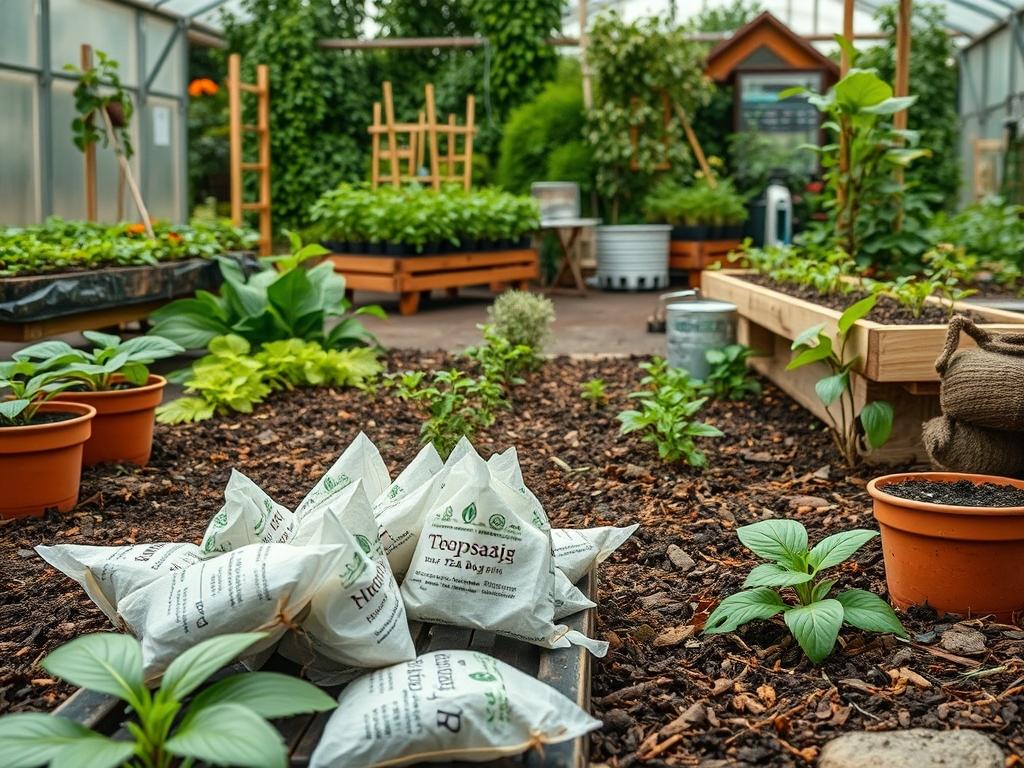
Creating a resilient landscape requires more than just an aesthetic eye; it demands a deep understanding of soil biology and the long term impact of the materials we introduce into the ecosystem. In the world of high end residential design, functionality and curb appeal are often undermined by the very soil amendments intended to bolster them. Many homeowners and novice gardeners frequently dispose of household waste in their garden beds without realizing that common items, specifically tea bags, may introduce permanent pollutants. While the organic matter in tea is beneficial, many modern bags are manufactured using polypropylene, a type of plastic designed to maintain bag integrity in boiling water. When these materials enter the compost pile, they do not fully disappear. Instead, they fragment into microplastics that can compromise the porosity of the soil, hinder the movement of beneficial microbes, and eventually impact the health of delicate root systems. As a landscape architect, my goal is to ensure that every layer of the outdoor environment, from the drainage substrate to the top layer of mulch, facilitates a self sustaining cycle of growth. Avoiding synthetic contaminants is the first step in ensuring the long term viability of an outdoor living space.
Landscape Design Principles
Professional landscape architecture relies on a balance of structural integrity and visual harmony. Symmetry often serves as the backbone of formal designs, providing a sense of order and prestige that mirrors the architecture of the home. However, achieving this balance requires more than just mirrored plantings. One must consider elevation layers, using retaining walls or natural sloping to create depth. By manipulating the grade of the land, we can redirect surface runoff into hidden french drains, ensuring that water does not pool near the foundation of the home or drown the root zones of expensive specimens.
Focal points are equally critical in guiding the eye through the outdoor environment. Whether it is a custom limestone fountain or a centuries old specimen oak, these elements anchor the space. To support these anchors, the surrounding softscape must be planned with precision. Irrigation systems should be zoned by plant water demand, rather than being treated as a one size fits all solution. Furthermore, the selection of hardscaping materials, such as decomposed granite or permeable pavers, should facilitate natural water infiltration. This prevents the “heat island” effect often found in poorly planned urban yards. When integrating compost into these high value areas, the purity of the organic material is paramount. If the soil is contaminated with microplastics from composting tea bags or other synthetic materials, the moisture retention capabilities of the soil can become unpredictable, leading to uneven growth patterns that disrupt the intended symmetry of the design.
Plant and Material Selection
The following table outlines plants that thrive in high quality, well drained soil environments, emphasizing the need for clean, organic amendments.
| Plant Type | Sun Exposure | Soil Needs | Water Demand | Growth Speed | Maintenance Level |
| :— | :— | :— | :— | :— | :— |
| Buxus Microphylla | Full Sun to Shade | Well drained, Loamy | Moderate | Slow | Low |
| Echinacea Purpurea | Full Sun | Organic, Sandy | Low | Medium | Minimal |
| Panicum Virgatum | Full Sun | Adaptable, Deep | Low | Fast | Minimal |
| Lavandula Angustifolia | Full Sun | Rocky, Alkaline | Low | Medium | High |
| Quercus Alba | Full Sun | Deep, Acidic | Moderate | Slow | Low |
| Hydrangea Macrophylla | Partial Shade | Moist, Rich | High | Fast | Moderate |
Implementation Strategy
The successful execution of a landscape plan begins with meticulous site preparation. Before any plant is placed in the ground, the project manager must verify the grading of the site. A standard slope of two percent away from the residence is the industry baseline for preventing property damage. Once the grade is established, we move to the installation of the irrigation main lines and lateral lines. These should be buried at a minimum depth of 12 inches to protect them from aeration tools and frost heave.
When preparing the planting beds, the introduction of organic matter is the most critical phase for long term plant health. If you are using compost, perform a “squeeze test” to ensure proper moisture and texture. At this stage, it is vital to avoid debris from composting tea bags that were not explicitly labeled as plastic free. These small fragments can interfere with the capillary action of water moving through the soil profile. After soil amendment, we define the bed lines using professional grade steel edging. This creates a crisp transition between the turf and the plant beds, preventing invasive grass species from encroaching. Finally, apply a 3 inch layer of double-shredded hardwood mulch. This depth is optimal for suppressing weeds and retaining moisture without suffocating the soil. Ensure the mulch is kept a few inches away from the trunks of trees to prevent bark rot and pest infestations.
Common Landscaping Failures
Failure in a landscape often stems from what we cannot see beneath the surface. Soil compaction is the silent killer of urban gardens. When heavy machinery is used during construction without subsequent aeration, the soil becomes as dense as concrete. This prevents oxygen from reaching the microbiome, leading to anaerobic conditions that rot roots. Another frequent mistake is the “mulch volcano,” where workers pile mulch high against the stems of shrubs and trees. This traps moisture against the bark and creates a bridge for wood boring insects.
Improper spacing at the time of installation is a hallmark of an amateur design. While a garden may look full on day one, failing to account for the mature spread of a plant leads to overcrowding within three to five years. This results in poor air circulation, which invites powdery mildew and other fungal diseases. Furthermore, many homeowners ignore the specifics of microplastics in compost. While seemingly harmless, the cumulative effect of plastic residuals in the soil can alter the hydrophobicity of the earth. This means the soil may actually repel water after it dries out, forcing the irrigation system to run twice as long to achieve the same saturation levels, which is both expensive and environmentally irresponsible.
Seasonal Maintenance
Maintenance is a year round commitment that evolves with the seasons. In the spring, the focus is on rejuvenation. This is the time to prune dead wood from deciduous shrubs and apply a slow release granular fertilizer to the base of heavy feeders. Check the irrigation nozzles for clogs and adjust the timers for the increasing temperatures. This is also the best time to incorporate fresh, screened compost into the beds, ensuring it is free of synthetic tea bag remnants or plastic liners.
During the summer, the priority shifts to moisture management. Early morning watering is essential to minimize evaporation. Monitor for signs of heat stress, such as leaf scorch on hydrangeas or wilting in young perennials. In the autumn, the landscape professional prepares the garden for dormancy. This involves the “clean up” phase, where fallen leaves are shredded and used as mulch or added to a controlled compost bin. Ensure that any perennial stalks left for winter interest are structurally sound. Finally, winter is the season for structural pruning and hardscape inspection. While the plants are dormant, it is the ideal time to repair flagstone walkways or clean out catch basins. Protect young trees with tree wrap or guards to prevent sunscald and damage from hungry wildlife during the colder months.
Professional Landscaping FAQ
Are tea bags safe for my garden soil?
Many tea bags contain a plastic mesh made of polypropylene. These do not decompose and leave microplastics in your soil. Only use bags certified as fully biodegradable or empty the loose leaf tea directly into your compost pile to avoid contamination.
How deep should my irrigation lines be buried?
Main lines should be buried at least 12 to 18 inches deep, while lateral lines should be at 8 to 12 inches. This protects the system from surface damage, freezing temperatures, and typical gardening activities like tilling or aeration.
What is the best way to prevent soil compaction?
Avoid walking on garden beds and minimize the use of heavy machinery when the soil is wet. Using raised beds or designated stepping stones helps distribute weight, protecting the soil structure and ensuring oxygen reaches the roots.
How do I choose the right mulch for my landscape?
Select a mulch based on your specific needs. Hardwood mulch is excellent for sloped areas because it mats together. Pine bark nuggets are better for flat, acid loving plant beds. Always maintain a depth of 2 to 3 inches.
Why is my drainage system failing during heavy rain?
Failure is often caused by clogged debris screens or insufficient slope in the drainage pipe. Ensure your french drains are wrapped in geotextile fabric to prevent silt from filling the pipe, and verify that the exit point remains unobstructed.