
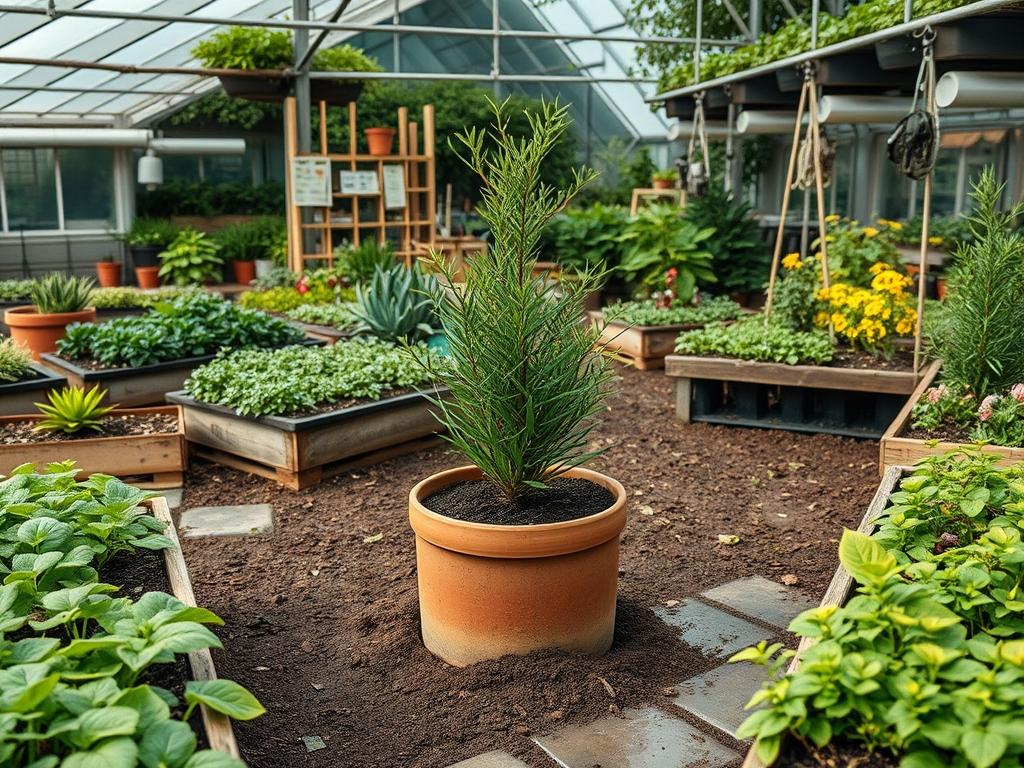
Transforming a residential or municipal landscape from a simple patch of turf into a sophisticated, multi-tiered environment requires a deep understanding of architectural scale and biological necessity. The American Elm, once the undisputed king of the suburban parkway, has made a resounding comeback through disease-resistant cultivars. However, success with these majestic specimens depends entirely on the initial site assessment and the physical properties of the earth provided for their roots. Integrating a large-scale canopy tree into a modern landscape plan offers unparalleled curb appeal and substantial cooling effects for the home. To achieve these benefits, the best soil for Elm trees must be prioritized as a foundational investment. This involves more than just digging a hole in the existing turf. It requires a commitment to deep, friable textures and significant spatial planning to accommodate a root system that often extends far beyond the drip line.
Landscape architects view trees like the Ulmus americana as architectural anchors. These trees define the ceiling of an outdoor room. Because they can reach heights of 80 feet or more, their placement influences every other element in the garden, from the location of walkways to the selection of shade-tolerant understory layers. The soil environment dictates the rate of growth and the overall structural integrity of the tree. When we discuss deep loam, we are referring to a balanced mixture of sand, silt, and clay that allows for rapid drainage while retaining sufficient moisture for the summer months. Poor site preparation often leads to stunted growth or premature failure. By focusing on the subterranean environment and the long-term spatial constraints of the property, a consultant can ensure the landscape remains functional and aesthetic for generations.
Landscape Design Principles
Successful garden planning centers on the concept of visual balance and the hierarchy of space. In a landscape featuring Elms, the tree acts as a primary focal point. Its vase-shaped structure provides a unique silhouette that complements formal symmetry or provides a bold contrast in a more organic, naturalistic layout. To integrate such a large element, one must consider elevation layers. The canopy occupies the highest tier, while mid-sized shrubs and herbaceous perennials fill the intermediate and ground-level zones. This layering creates depth and mimics natural forest structures, which improves the ecological health of the site.
Symmetry is often utilized in long driveways or large estate entries where a double row of Elms creates a cathedral-like effect. However, in smaller suburban lots, a single specimen may be placed off-center to balance the mass of the house. Irrigation planning is critical during this design phase. Because Elms require consistent moisture to thrive in their youth, the design must incorporate a reliable water source that avoids saturating the trunk. Walkways and hardscaping should be kept at a distance of at least 15 feet from the trunk to prevent future root heave. Using permeable pavers or gravel paths can mitigate some of these issues, allowing water and air to reach the roots even near structural elements. Visual balance is maintained by mirroring the tree’s expansive canopy with broad, sweeping garden beds that ground the vertical mass of the tree.
Plant and Material Selection
Selecting the right companions and materials is essential for a cohesive landscape. The following table highlights compatible species and the specific requirements for success.
| Plant Type | Sun Exposure | Soil Needs | Water Demand | Growth Speed | Maintenance Level |
| :— | :— | :— | :— | :— | :— |
| Valley Forge Elm | Full Sun | Deep, Loamy | Moderate | Fast | Medium |
| Princeton Elm | Full Sun | Well-Drained | Moderate | Fast | Medium |
| Oak Leaf Hydrangea | Part Shade | Rich, Acidic | High | Moderate | Low |
| Japanese Forest Grass | Shade | Moist, Loamy | Moderate | Slow | Low |
| Christmas Fern | Full Shade | Humus-Rich | Moderate | Slow | Very Low |
| Common Lilac | Full Sun | Neutral, Well-Drained | Low | Moderate | Medium |
The choice of materials also extends to the structural components. For an Elm-centric garden, Arborist Wood Chips are superior to dyed nuggets because they break down slowly and simulate a forest floor. Use Organic Compost to amend the soil at the time of planting, but avoid over-enriching the backfill, as this can discourage roots from venturing into the native soil. For elevation changes, Natural Stone Retaining Walls help manage slope and provide a physical barrier that protects the tree’s root zone from heavy foot traffic or lawn equipment.
Implementation Strategy
The process begins with an accurate site survey. Professional graders use a Transit Level to determine the flow of water across the property. Proper grading ensures that water moves away from the foundation of the home and toward the tree’s drip line without pooling at the trunk. Once the grades are established, the layout of the garden beds and walkways is marked using Inverted Marking Paint. For an Elm tree, the planting hole should be at least three times as wide as the root ball but no deeper than the root flare. This encourages lateral root expansion, which is vital for the tree’s stability in high winds.
When it’s time to dig, a Stump Grinder or Skid Steer may be necessary if the site has old, compacted roots or heavy clay. After the hole is prepared, the tree is positioned so the root flare is slightly above the soil surface. This prevents bark rot. Backfill the hole with a mixture of native soil and a small amount of Expanded Shale if the site has heavy clay, as this improves aeration. Edging the garden beds with a Power Edger or a Sharp Spade creates a clean line that separates the turf from the mulch. Apply a 3-inch layer of mulch around the base, ensuring the mulch does not touch the bark of the tree. Finally, install a Tree Gator or a similar slow-release watering bag to provide consistent hydration during the first two growing seasons.
Common Landscaping Failures
The most frequent mistake in Elm cultivation is neglecting the need for space. Planting a large-canopy tree too close to a structure leads to structural damage and necessitates aggressive pruning that can weaken the tree. Soil compaction is another silent killer. Heavy machinery used during home construction often compresses the soil to a point where air and water cannot penetrate. If an Elm is planted in this “concrete-like” dirt, the roots will eventually girdle, circling the trunk until they effectively strangle the tree.
Drainage mistakes often involve creating “bathtub” conditions. If a planting hole is dug into heavy clay and filled with soft, porous potting soil, the hole acts as a basin that collects water, leading to root rot. To avoid this, a French Drain may be required in low-lying areas to channel excess moisture away. Improper spacing is also a concern for understory plants. Homeowners often plant shrubs too close to the Elm’s trunk, leading to competition for nutrients and moisture. This creates a stressed environment where pests like the Elm Leaf Beetle are more likely to thrive. Finally, irrigation inefficiencies, such as over-watering with a lawn sprinkler system, can encourage shallow root growth, making the tree more susceptible to drought and windthrow.
Seasonal Maintenance
Seasonal care is what separates a professional landscape from a hobbyist garden. In the spring, the focus should be on health inspections and fertilization. Use a Deep Root Feeder to deliver a balanced, slow-release nutrient mix directly to the root zone before the first flush of leaves. Monitor for any signs of Dutch Elm Disease or wilt. During the summer, the primary goal is moisture management. Elms are relatively drought-tolerant once established, but young trees need deep watering at least once a week during heatwaves. A Soil Moisture Meter can help determine if the ground is dry at a depth of 6 inches.
Autumn is the ideal time for structural pruning. While Elms should not be pruned during the active growing season to avoid attracting beetles, the late fall or winter is perfect for removing crossing branches or narrowing crotches. Remove any fallen leaves to prevent the spread of fungal spores. In winter, focus on protection. Apply a fresh layer of mulch to insulate the roots against freeze-thaw cycles. For younger trees in exposed areas, a Burlap Wrap or Tree Guard can prevent sunscald on the tender bark. This year-round attention ensures the tree remains a vibrant, healthy center-piece of the outdoor environment.
Professional Landscaping FAQ
How much space does a mature Elm tree truly need?
A mature specimen requires at least 30 feet of clearance from buildings and power lines. The root system can extend up to double the width of the canopy, so avoid heavy paving within the immediate drip line to ensure health.
Can I grow grass directly under a large Elm tree?
While possible with shade-tolerant fescue, it is difficult. The tree’s dense canopy and aggressive surface roots compete for water and light. Using Mulch or shade-loving groundcovers like Vinca Minor is a more sustainable and professional landscaping choice.
Why is deep loam specifically recommended for Elms?
Deep loam allows for the vertical development of a Taproot in young trees, followed by extensive lateral roots. This soil type provides the necessary oxygen exchange and moisture retention required to support the massive caloric needs of a large tree.
Should I use a regular garden hose for irrigation?
For the first three years, a Soaker Hose or a Drip Irrigation System is better than a standard hose. These tools deliver water slowly and deeply, encouraging the roots to grow downward rather than toward the surface.
How do I prevent soil compaction around my trees?
Establish a permanent Mulch Ring that extends at least 5 feet from the trunk. This prevents foot traffic and lawnmowers from compressing the earth. For existing compaction, a professional can perform Core Aeration or Vertical Mulching to restore airflow.