
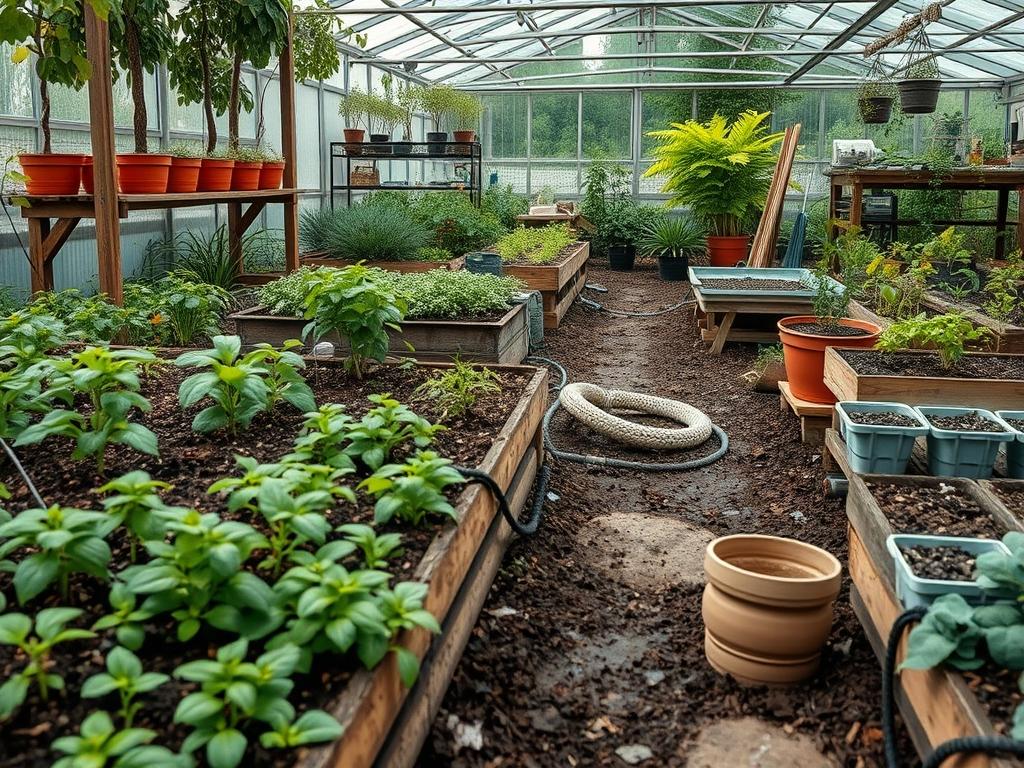
Integrating a mature hardwood into a residential or commercial landscape requires a sophisticated understanding of both aesthetic intent and subterranean health. The ash tree, once the backbone of American suburban canopies, remains a powerful choice for those who understand how to manage its specific environmental requirements. When you are planning a landscape that features these broad-canopied giants, you are not just selecting a plant; you are investing in a long term architectural element that defines the vertical scale of your property. The success of this investment hinges almost entirely on the quality of the site preparation, specifically concerning the Ash Tree Soil Needs. These trees provide dense shade and significant curb appeal, yet they are increasingly vulnerable to environmental stressors if their biological foundations are ignored. A well-placed tree can reduce cooling costs and increase property values by double digits, but a tree struggling in poor soil becomes a liability.
The landscape professional must view the soil as a living system. For species like the White Ash or Green Ash, the soil environment dictates the tree’s ability to resist pests and recover from seasonal extremes. Most failures in large scale plantings do not occur because of a lack of sunlight or poor pruning; they occur because the underground infrastructure was never properly assessed or modified. Whether you are dealing with a new construction site or a historical renovation, understanding the texture, pH, and drainage of your land is the first step toward creating a functional and beautiful outdoor space. By aligning the site’s characteristics with the necessary soil parameters, you ensure that your landscape flourishes for decades rather than just a few seasons.
LANDSCAPE DESIGN PRINCIPLES
Professional landscape design relies on five primary pillars: symmetry, focal points, elevation layers, irrigation planning, and visual balance. When using large trees, the concept of a focal point becomes paramount. A healthy Ash Tree often serves as the primary anchor for a property, providing a sense of permanence. To achieve visual balance, designers use elevation layers, placing smaller ornamental trees like Serviceberry or Redbud beneath the towering canopy of the ash. This creates a transition from the sky down to the ground plane, drawing the viewer’s eye through a logical progression of textures and colors.
Symmetry can be achieved through the strategic placement of matching specimens along a flagstone walkway or flanking a driveway entrance. However, symmetry is not just about visual placement; it also applies to the resource distribution below ground. If one side of a symmetrical planting has superior drainage, the trees will grow at different rates, eventually ruining the architectural intent. Irrigation planning must account for these differences. You cannot simply use a one-size-fits-all approach when large hardwoods are involved. The grading of the land must direct excess water away from the root flare while maintaining a consistent moisture level within the primary root zone. Properly placed retaining walls can help manage these elevation changes, preventing soil erosion and ensuring that the tree’s root system remains protected from exposure.
PLANT AND MATERIAL SELECTION
Selecting the right materials involves more than picking healthy-looking specimens at a nursery. It requires matching the biological needs of the plant to the physical realities of the site. Use the following table to guide your selection process for ash-centric landscapes and their common companions.
| Plant Type | Sun Exposure | Soil Needs | Water Demand | Growth Speed | Maintenance Level |
| :— | :— | :— | :— | :— | :— |
| White Ash | Full Sun | Deep, well-drained, moist | Moderate | Medium | Moderate |
| Green Ash | Full Sun | Adaptable, moist to wet | Moderate | Fast | Medium |
| Blue Ash | Full Sun | Alkaline, limestone based | Low | Slow | Low |
| Kentucky Bluegrass | Full Sun | Rich, loamy, neutral pH | High | Fast | High |
| Fescue Mix | Partial Shade | Well-drained, organic | Moderate | Medium | Low |
| Shredded Hardwood Mulch | N/A | Organic, non-dyed | Prevents evaporation | N/A | Annual |
| River Rock | N/A | Drainage support | Zero absorption | N/A | Minimal |
IMPLEMENTATION STRATEGY
Implementing a landscape plan requires a logical, step-by-step approach to ensure that the Ash Tree Soil Needs are met before the first shovel hits the ground. Start with a site survey to identify the existing grading. If the site is flat, you may need to introduce slight swales or underground French drains to prevent water from pooling near the trunk. Once the drainage plan is established, use a soil core sampler to test for compaction and nutrient levels. Most ash varieties prefer a pH between 6.0 and 7.5. If the soil is too acidic, an application of pelletized lime may be necessary; if it is too alkaline, elemental sulfur or peat moss can be integrated into the backfill.
The actual planting hole should be at least two to three times wider than the root ball but no deeper than the root system itself. This encourages lateral root growth into the surrounding soil. When backfilling, avoid using heavy machinery near the planting site to prevent soil compaction, which is a leading cause of tree decline. Instead, use a hand spade to settle the soil and remove air pockets. After planting, apply a layer of organic mulch at a depth of 2 to 3 inches, ensuring that the mulch does not touch the bark of the tree. This “mulch donut” retains moisture and regulates soil temperature while providing a clear physical barrier that protects the tree from lawnmowers and string trimmers.
COMMON LANDSCAPING FAILURES
One of the most frequent errors in professional landscaping is root overcrowding. Designers often place trees too close to retaining walls, sidewalks, or building foundations. As the tree matures, the roots exert immense pressure on these structures, leading to cracked concrete and expensive repairs. Furthermore, if the tree is encased in a small planting strip, the soil quickly becomes depleted of oxygen and nutrients. Another critical failure is improper grading that creates “bathtub” conditions. If a planting hole is dug into heavy clay and then backfilled with light, sandy soil, the hole will collect water like a basin, essentially drowning the roots of the tree.
Irrigation inefficiencies also plague many garden plans. Over-irrigation is just as dangerous as under-irrigation, especially for the Green Ash, which can handle moist soil but will rot if the ground reflects a swamp-like state. Many homeowners rely on automated sprinklers that only wet the top inch of soil, which encourages shallow root systems that are susceptible to drought. Deep, infrequent watering is the key to establishing a resilient hardwood. Finally, avoid the use of “volcano mulching,” which is the practice of piling mulch high against the trunk. This trapped moisture rots the bark and provides a gateway for boring insects and fungal pathogens.
SEASONAL MAINTENANCE
A landscape is a dynamic entity that requires different interventions throughout the year. In the spring, focus on soil aeration and the application of balanced 10-10-10 fertilizer if growth looks stunted. This is also the time to inspect for the Emerald Ash Borer. A healthy tree in high-quality soil is your best defense against this pest. During the summer, monitoring moisture is the priority. During heatwaves, use a soaker hose to provide a deep watering session once a week, ensuring the moisture penetrates at least 12 inches into the soil profile.
Autumn is the season for soil replenishment. As the leaves fall, they can be mulched back into the lawn to provide organic matter, though diseased foliage should be removed from the site. This is also the best time to apply a fresh layer of hardwood mulch to insulate the roots for the coming winter. In the winter months, maintenance shifts to structural pruning and protection. While the tree is dormant, you can clearly see the branching structure and remove any crossing or dead limbs. Use this time to also check for ice damage and ensure that salt used on nearby walkways is not leaching into the soil, as high salinity can be toxic to most ash species.
PROFESSIONAL LANDSCAPING FAQ
What is the ideal pH for most ash trees?
Most ash species thrive in a neutral to slightly acidic range between 6.0 and 7.5. Excessive alkalinity can lead to iron chlorosis, while high acidity may limit the availability of essential minerals like phosphorus.
How deep should I water my mature ash tree?
You should aim to saturate the soil to a depth of at least 12 to 18 inches. Deep watering encourages the roots to grow downward, making the tree more stable and resistant to surface-level drought conditions.
Can I grow grass directly under an ash tree canopy?
Yes, but you must choose shade-tolerant species like Fine Fescue. Because ash trees have high water demands, you may need to increase your irrigation and fertilization schedules to support both the tree and the turf.
Why is soil compaction so dangerous for these trees?
Compaction collapses the pore spaces in the soil, removing the oxygen that roots need to respire. It also creates a physical barrier that prevents water from reaching the root zone, leading to slow decline and eventual death.
Is it necessary to fertilize every year?
Not necessarily. You should only fertilize based on the results of a professional soil test. Over-fertilizing can lead to excessive succulent growth that is more attractive to pests and more susceptible to breakage during storms.