
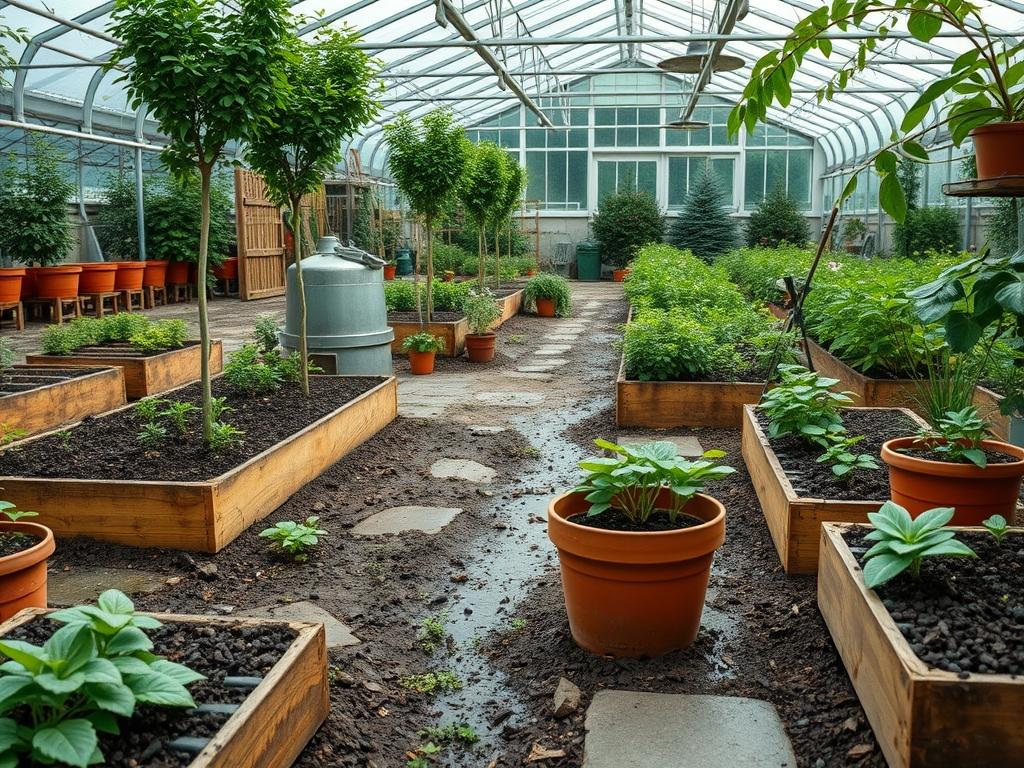
Establishing a legacy landscape requires more than an aesthetic eye; it demands an understanding of the biological architecture hidden beneath the turf. When a property owner decides to plant a specimen from the Juglans genus, they are making a commitment that will span decades or even centuries. The success of this endeavor hinges entirely on the subterranean environment, specifically the vertical space available for the primary anchor. Identifying the Best Soil for Walnut Trees is a task that prioritizes depth and drainage over surface-level fertility. Unlike many ornamental species that spread their root systems horizontally within the top 18 inches of the horizon, a young Black Walnut or English Walnut focuses its energy on a singular, vertical Taproot. This structural root can descend several feet in the first few years, seeking stable moisture and anchoring the tree against high winds. If the soil profile contains a restrictive layer, such as heavy clay or bedrock, the tree will likely suffer from stunted growth or premature decline. A thoughtful landscape architect views the soil not just as a medium for nutrients, but as a three dimensional volume that must accommodate this aggressive downward expansion.
Landscape Design Principles
Integrating large canopy trees into a professional landscape plan requires a balance between symmetry and the practical realities of site conditions. When using walnut trees as a focal point, primary consideration must be given to the mature spread of the crown, which can reach 60 to 100 feet in diameter. In a formal design, a pair of Walnut Trees might flank the entrance to a long driveway, providing a sense of grandeur and rhythm. However, because these trees produce juglone, a natural chemical that inhibits the growth of certain other plants, the surrounding vegetation must be selected with extreme care. This is known as allelopathy. To create a cohesive look, use elevation layers to your advantage. By placing the trees on a slight rise or a gentle slope, you ensure that the high canopy does not overwhelm the lower landscape tiers.
Walkways and hardscaping should be planned with future root expansion in mind. To avoid the heaving of Pavers or Flagstone, it is wise to maintain a distance of at least 15 to 20 feet from the trunk of a mature species. Visual balance is achieved by grounding these massive trees with juglone-tolerant shrubs and perennials that thrive in the dappled shade provided by the pinnate leaves. Incorporating Retaining Walls can also help manage the soil depth near the tree, provided that the walls do not interfere with the natural Drainage patterns of the site. A well-designed landscape utilizes the walnut tree as a structural anchor that defines the outdoor room, provides critical shade for energy efficiency, and increases the long term value of the estate.
Plant and Material Selection
| Plant Type | Sun Exposure | Soil Needs | Water Demand | Growth Speed | Maintenance Level |
| :— | :— | :— | :— | :— | :— |
| Black Walnut | Full Sun | Deep, Rich Loam | Moderate | Medium | Low |
| Persian Walnut | Full Sun | Sandy Loam | Moderate | Medium | Medium |
| American Elderberry | Sun to Part Shade | Moist, Well-drained | High | Fast | Low |
| Hostas (Various) | Shade to Part Shade | Rich, Organic | Moderate | Medium | Low |
| Eastern Redbud | Part Shade | Adaptable | Moderate | Fast | Medium |
| Fescue Grass | Sun to Part Shade | Well-drained | Moderate | Fast | High |
Implementation Strategy
The process of installing a walnut tree begins long before the tree arrives on site. A professional site assessment must involve taking soil cores to a depth of at least 3 feet. Use a Soil Probe or a Manual Auger to inspect the horizons for signs of compaction or anaerobic conditions, which are often indicated by a gray, mottled color or a sour smell. If the site has been degraded by construction, the first step is to perform deep ripping to break up the mechanical compaction layers. Once the soil structure is verified as a deep Silt Loam or Sandy Loam, the grading process can begin. Ensure the area has a 2 percent slope away from the tree to prevent water from pooling at the root flare, a common cause of fungal infection.
When the planting hole is excavated, it should be twice as wide as the root ball but no deeper than the current depth of the roots. For container-grown or balled-and-burlapped trees, pay special attention to the Taproot. If the root has begun to circle the bottom of the container, it must be straightened or carefully pruned to ensure it resumes its downward trajectory. Backfill the hole with the native soil that was removed; amending the hole with high amounts of organic matter can create a “pot effect” where the roots refuse to leave the rich hole. After planting, apply a 3-inch layer of Wood Chip Mulch in a wide circle around the base, keeping the mulch several inches away from the bark of the trunk. This layer helps regulate soil temperature and moisture, which is critical during the first three years of establishment.
Common Landscaping Failures
One of the most frequent mistakes in walnut tree management is ignoring the vertical requirements of the root system. Homeowners often attempt to plant these trees in areas with a high water table or shallow topsoil, leading to a weak tree that is prone to windthrow. Soil compaction is another silent killer. Using heavy machinery, such as Skid Steers or Backhoes, near the drip line of an established tree will crush the delicate macropores in the soil that hold oxygen. Without oxygen, the roots cannot perform the cellular respiration needed to absorb water and nutrients.
Improper Irrigation is also a major factor in landscape failure. While walnut trees require consistent moisture, especially when young, they are highly susceptible to root rot in saturated conditions. Using a standard lawn sprinkler system that hits the trunk of the tree every day can lead to Cankers and bark decay. Instead, use Drip Irrigation or a Soaker Hose to deliver water directly to the soil over the root zone. Finally, many people underestimate the impact of juglone. Planting sensitive species like Azaleas, Blueberries, or Tomatoes within the root zone of a walnut will result in the rapid yellowing and death of those plants, creating holes in the landscape design.
Seasonal Maintenance
Managing a landscape with walnut trees requires a calendar-based approach to ensure the health of both the trees and the understory. In the Spring, focus on soil health. Conduct a soil test every three years to monitor pH levels, aiming for a range between 6.0 and 7.2. Apply a slow-release fertilizer if growth has slowed, but avoid high-nitrogen products that can encourage excessive leaf growth at the expense of root development. As the leaves emerge, inspect the foliage for signs of Anthracnose, a fungal leaf spot that can defoliate the tree during wet seasons.
The Summer months are defined by moisture management. During periods of drought, provide a deep watering once a week to ensure the Taproot remains hydrated. Monitor the Mulch levels and replenish areas that have decomposed, ensuring the soil remains cool. In the Autumn, the primary task is cleanup. Walnut leaves and hulls contain high concentrations of juglone; if you are growing sensitive plants nearby, rake and remove the debris to prevent the chemical from leaching into the soil. This is also the best time to mark any dead or crossing branches for removal.
In the Winter, perform structural pruning while the tree is dormant. This is the time to remove any competing leaders to ensure the tree maintains a strong central trunk. Because walnut trees can “bleed” sap if pruned in the spring, late winter is the ideal window for major cuts. Use sharp Pruning Saws and Loppers to make clean cuts at the branch collar. This seasonal attention ensures the tree remains a safe and beautiful asset to the property for several generations.
Professional Landscaping FAQ
How deep does walnut tree soil need to be?
Ideally, you should have at least 3 to 5 feet of unobstructed, well-drained soil. This allows the primary Taproot to establish itself firmly, which is essential for the long term health and wind resistance of the tree.
Can I grow a walnut tree in heavy clay?
While walnuts can tolerate some clay, heavy and compacted clay is poorly suited for them. Clay holds too much water and lacks the oxygen necessary for deep root penetration. Amending the entire planting site with Compost can help improve structure.
What is the best way to handle walnut tree debris?
Collect fallen leaves, twigs, and hulls and compost them separately from your garden waste. The juglone toxin breaks down over time in a compost pile, but it is safest to use the finished product around other juglone-tolerant species only.
How much water does a newly planted walnut tree need?
During the first two growing seasons, a walnut tree typically requires 10 to 15 gallons of water per week. This should be delivered through a slow deep-soak method to encourage the roots to grow downward rather than toward the surface.
Are there any trees I should never plant near a walnut?
Avoid planting Birch, Pine, Apple, or Cherry trees within the root zone. These species are highly sensitive to juglone and will likely exhibit poor vigor or die if their roots come into contact with the walnut root system.