
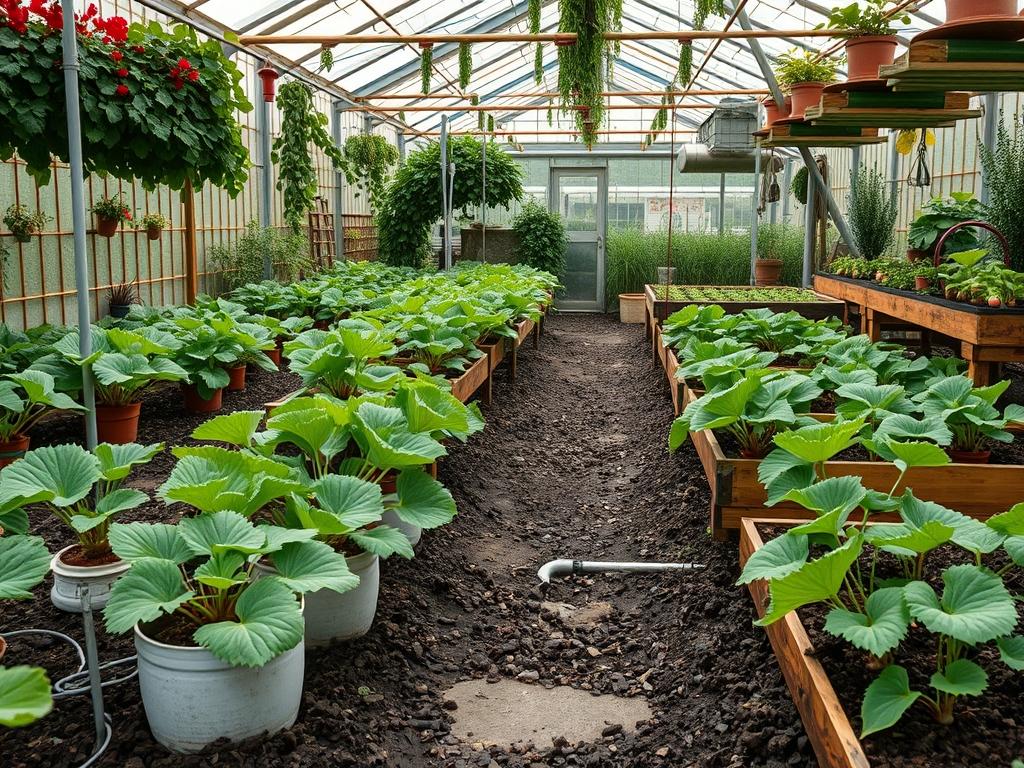
Integrating a perennial crop like rhubarb into a high-end landscape requires a shift in perspective from traditional row cropping to architectural planting. For a landscape architect, the challenge lies in balancing the plant’s massive, textured foliage with the structural requirements of a permanent outdoor living space. Rhubarb, or Rheum rhabarbarum, serves as a magnificent focal point due to its expansive leaves and vibrant stalks, yet it demands a site that offers both aesthetic prominence and rigorous soil engineering. The best soil for rhubarb is not a naturally occurring phenomenon in most residential lots; rather, it is a manufactured environment designed to support a plant that may remain in the same location for twenty years or more. When planning for curb appeal, the cooling effect of large-leafed perennials and leur ability to soften hardscaping edges cannot be overstated. From a functionality standpoint, these plants must be positioned where their heavy water and nutrient needs can be met without compromising the integrity of nearby structures or walkways.
Landscape Design Principles
Successful garden planning starts with a cohesive vision that respects the natural topography and the intended flow of the space. Symmetry plays a vital role in formal designs, where rhubarb can be used to anchor the corners of a raised parterre or line a grand walkway. Because of its scale, it acts as a mid-level elevation layer, sitting comfortably between low-lying groundcovers and taller woody shrubs or ornamental trees. When designing these spaces, I prioritize focal points that draw the eye toward specific outdoor living zones, using the bold texture of rhubarb to create a sense of lushness and abundance.
Irrigation planning must be integrated at the conceptual stage. A large-leafed plant acts like a solar collector, transpiring significant amounts of water during the heat of the afternoon. To maintain visual balance and plant health, a dedicated drip irrigation system is often superior to overhead sprays, as it keeps the foliage dry and prevents fungal pathogens. Walkways should be wide enough to accommodate the sprawling nature of the plant, ensuring that the 3 foot wide canopy does not obstruct pedestrian traffic. By using natural stone or paver edging, we can create a clean transition between the softscape and the hardscape, preventing soil erosion and defining the planting zone.
Plant and Material Selection
Selecting the right cultivars and supporting materials is essential for long-term success. The table below outlines the requirements for integrating these elements into a professional landscape.
| Plant Type | Sun Exposure | Soil Needs | Water Demand | Growth Speed | Maintenance Level |
| :— | :— | :— | :— | :— | :— |
| Victoria Rhubarb | Full Sun | Rich, Deep Loam | High | Moderate | Medium |
| Crimson Cherry | Full Sun | High Organic Matter | High | Moderate | Medium |
| Wood Chips / Mulch | N/A | Weed Suppression | Low | N/A | Low |
| Perennial Salvia | Full Sun | Well-Drained | Medium | Fast | Low |
| River Rock | N/A | Drainage / Edging | N/A | N/A | Low |
Implementation Strategy
The foundation of a successful rhubarb installation begins with grading and drainage. Before a single plant is placed, the site must be surveyed to ensure that water moves away from building foundations while remaining accessible to the root zones. The best soil for rhubarb is achieved through a process called double-digging. We begin by excavating a trench roughly 2 feet deep and 3 feet wide. This process breaks up the subsoil, which is often compacted during home construction, and allows for the introduction of high-quality organic matter.
Incorporating well-rotted manure, leaf mold, and compost at a ratio of one part organic material to two parts native soil creates a nutrient-rich environment that supports heavy feeding. For long-term fertility, I recommend adding bone meal and blood meal to the base of the planting hole. These slow-release fertilizers provide the phosphorus and nitrogen necessary for vigorous stalk production. Once the soil is prepared, the rhubarb crowns should be planted so that the growing point is just 2 inches below the surface.
Hardscaping elements, such as retaining walls or stone edging, should be installed prior to planting to prevent soil compaction from foot traffic. A layer of hardwood mulch at a depth of 3 inches is then applied across the entire surface. This mulch serves multiple purposes: it regulates soil temperature, retains moisture, and provides a clean, professional finish that enhances the overall aesthetic of the backyard layout.
Common Landscaping Failures
The most frequent error I see in residential landscapes is poor drainage. Because rhubarb is a heavy feeder that requires consistent moisture, homeowners often over-saturate the soil, leading to root rot or crown rot. If the soil does not drain freely, the plant will eventually decline. This is why we often utilize raised beds or elevation layers in areas with heavy clay.
Another common failure is root overcrowding. Rhubarb grows significantly over time, and its root system can become restricted if planted too close to concrete foundations or larger ornamental trees. This competition for resources results in thin, spindly stalks and lackluster foliage. Furthermore, soil compaction is a silent killer. When heavy machinery or frequent foot traffic occurs near the planting zone, the pore spaces in the soil are crushed, depriving roots of the oxygen they need to survive.
Lastly, irrigation inefficiencies can undermine even the best soil preparation. Relying on inconsistent hand-watering or poorly timed sprinklers leads to stress cycles that reduce the lifespan of the plant. A professional landscape requires a systematic approach to moisture management, ensuring that the water table remains stable throughout the growing season.
Seasonal Maintenance
Landscape management is a year-round commitment that changes with the seasons. In the Spring, the focus is on jump-starting growth. As soon as the soil can be worked, I apply a balanced granular fertilizer around the base of the plants, taking care not to touch the emerging buds. This is also the time to refresh the mulch and check the drip irrigation lines for any leaks or clogs caused by winter weather.
During the Summer, maintenance shifts to moisture preservation and weed control. High temperatures can cause the large leaves to wilt, so monitoring the soil moisture at a depth of 6 inches is crucial. If the plant attempts to bolt by producing large seed stalks, these should be removed immediately with pruning shears to redirect energy back into the roots and stalks.
In Autumn, the foliage will naturally begin to yellow and die back. Once the first hard frost has hit, the dead leaves should be cleared away to prevent pests like the rhubarb curculio from overwintering in the debris. This is an ideal time to top-dress the area with an additional 2 inches of compost, which will slowly work its way into the soil over the winter months.
Winter maintenance is largely passive, but it is a critical time for the plant’s dormancy. Rhubarb requires a period of cold temperatures, typically below 40 degrees Fahrenheit, to reset for the following year. In colder climates, a thicker layer of straw mulch can protect the crowns from extreme freeze-thaw cycles that might cause the ground to heave, exposing the sensitive roots to the air.
Professional Landscaping FAQ
What is the best soil for rhubarb in heavy clay areas?
In clay regions, improve drainage by mixing coarse sand, compost, and shredded bark into the soil. Creating a raised bed or a small elevation mound ensures that excess water drains away from the crown, preventing rot.
How often should I fertilize my rhubarb plants?
Apply a high-nitrogen organic fertilizer in early spring as new growth appears. A second application of compost tea or fish emulsion in mid-summer helps maintain vigor, especially if you are harvesting stalks frequently throughout the season.
Can rhubarb grow in partial shade?
While rhubarb prefers full sun for maximum stalk production, it can tolerate partial shade, especially in hot climates. In these areas, afternoon shade protects the large leaves from scorching, though the growth rate may be slightly slower.
How do I prevent soil compaction around my garden beds?
Install permanent walkways using flagstone or gravel to direct traffic away from planting zones. Use edging materials to define the bed boundaries, and never step directly on the soil within the root zone of the plants.
When is the best time to divide rhubarb crowns?
Divide the crowns in early spring before growth begins or in late autumn once the plant is dormant. Use a sharp spade to split the root mass into sections, ensuring each piece has at least two healthy buds.