
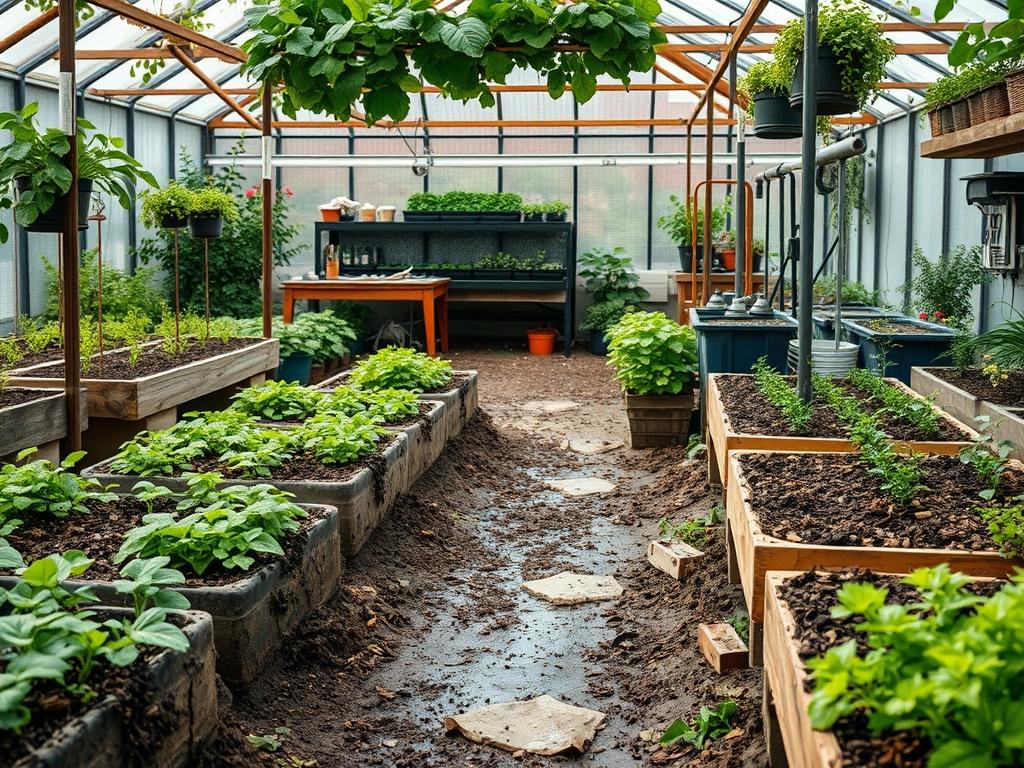
Integrating a specimen tree like the American Beech or European Beech into a residential or commercial landscape is a commitment to the next century. These trees represent the pinnacle of structural landscape design, offering a sense of permanence, historical weight, and architectural grace that few other deciduous species can match. However, the transition from a nursery container to a permanent site is often fraught with physiological stress. The primary challenge involves the reconciliation of a tree’s specific biological needs with the often compacted, nutrient-depleted soils found in modern urban environments. Achieving success requires more than just digging a hole; it necessitates a sophisticated approach to environmental engineering. High-end curb appeal and long-term outdoor functionality depend on the tree’s ability to establish a massive, shallow root system. If the soil preparation is handled incorrectly, the tree may survive but will likely fail to thrive, leading to a stunted canopy and a lack of the vibrant autumnal color that defines the species.
Landscape Design Principles
Professional landscape architecture relies on the strategic use of focal points to anchor a property. A well-placed Copper Beech serves as a living sculpture, providing a dark, purple-hued contrast to the greens of a traditional lawn. Because these trees can reach heights of 60 to 80 feet, they must be positioned with future elevation layers in mind. Designers utilize the principles of symmetry by flanking long driveways with consistent plantings, yet the Beech tree often performs best as a singular, dominant focal point in a large open space.
Visual balance is achieved by considering the eventual drip line of the tree. Since the roots are notoriously sensitive to disturbance, the design must incorporate permanent walkways and hardscaping elements that remain outside the mature canopy’s reach. Elevation changes should be managed using Retaining Walls to prevent soil from washing over the sensitive root flare. Irrigation planning is equally critical; the system must provide deep, infrequent hydration rather than the constant, shallow misting typical of turf sprinklers. Incorporating these elements early in the planning phase ensures that the tree becomes a functional part of the outdoor living environment, providing shade and wind reduction without interfering with structural foundations or underground utilities.
Plant and Material Selection
Selecting the right cultivar is only the first step. The accompanying materials, particularly the components utilized for Beech Tree Soil Prep, dictate the longevity of the installation. The table below outlines common species and their environmental requirements.
| Plant Type | Sun Exposure | Soil Needs | Water Demand | Growth Speed | Maintenance Level |
| :— | :— | :— | :— | :— | :— |
| American Beech | Full Sun / Part Shade | Deep, Acidic, Well-drained | Moderate | Slow | Low |
| European Beech | Full Sun | Calcareous or Neutral | Low to Moderate | Slow | Low |
| Copper Beech | Full Sun | Rich, Silty Loam | Moderate | Slow | Medium |
| Tricolor Beech | Part Shade | Consistently Moist | High | Very Slow | High |
| Japanese Forest Grass| Part Shade | Heavily Organic | High | Moderate | Low |
| Christmas Fern | Shade | Humus Rich | Moderate | Moderate | Low |
Implementation Strategy
The process of Beech Tree Soil Prep begins with an aggressive evaluation of the existing site conditions. Most residential sites suffer from heavy compaction caused by construction machinery. To remediate this, use a Backhoe or Auger to decompact an area at least three times the width of the root ball. This creates a transition zone where new roots can easily penetrate the native soil.
Grading is the next priority. The site must be leveled to ensure that water does not pool at the base of the trunk, which can lead to Phytophthora root rot. Once the grading is established, focus on the chemical and biological composition of the planting medium. For an ideal Beech Tree Soil Prep, mix the native soil with Aged Leaf Mold and Composted Pine Bark. Leaf mold is essential because it introduces the specific fungal communities, known as mycorrhizae, that Beech trees rely on for nutrient uptake.
When preparing the hole, ensure it is no deeper than the root ball itself. If the tree is planted too deep, the lack of oxygen will suffocate the roots. Use a Trowel to loosen any circling roots before placement. After backfilling with the amended soil, apply a 3 inch layer of Hardwood Mulch around the base, keeping it at least 6 inches away from the trunk flare. This mulch layer conserves moisture and slowly breaks down into further Leaf mold, mimicking the natural forest floor. For drainage management, consider installing a French Drain if the site is located at the bottom of a slope. This prevents the “bathtub effect” where the planting hole becomes a reservoir for stagnant water.
Common Landscaping Failures
The most frequent failure in Beech tree cultivation is improper drainage. Many contractors treat a planting hole like a pot, filling it with rich soil but surrounding it with impenetrable clay. This creates a saturated environment that kills the fine feeder roots. Another common error is root overcrowding. Because Beech trees have wide-reaching, shallow roots, planting competing shrubs or installing thick sod directly under the canopy leads to a struggle for resources that the tree usually loses in its youth.
Soil compaction remains a silent killer. Even one season of heavy foot traffic or the parking of vehicles over the root zone can collapse the soil pores, cutting off the oxygen supply. Furthermore, many homeowners over-irrigate. They assume that because the tree is large, it needs constant water. In reality, once established, these trees are quite drought-tolerant. Excess water in the soil replaces air pockets, leading to anaerobic conditions. Finally, failure to account for pH levels can lead to chlorosis. While European Beech is more flexible, American Beech will struggle in high-alkaline environments, requiring the addition of Elemental Sulfur or Iron Sulfate to lower the pH to a range of 5.5 to 6.5.
Seasonal Maintenance
Spring is the season for growth monitoring and light fertilization. Apply a slow-release, low-nitrogen fertilizer around the drip line before the buds break. Use a Soil Probe to check moisture levels at a depth of 6 inches; the soil should feel damp but not saturated. This is also the time to inspect for the Beech Scale insect, which can be managed with dormant oil sprays if detected early.
Summer maintenance focuses on hydration and stress management. During periods of extreme heat or drought, provide a deep soak once every 10 to 14 days. Use a Soaker Hose to deliver water directly to the root zone, minimizing evaporation. Avoid any major pruning during the heat of summer, as this can stress the tree and lead to sunscald on the thin, gray bark.
Autumn is perhaps the most critical time for Beech Tree Soil Prep and ongoing health. As the leaves fall, resist the urge to rake every single one away. Allowing some leaves to decompose naturally provides the best source of Leaf mold. If aesthetics are a concern, shred the leaves with a Mower and spread them back under the canopy. This returns vital nutrients to the soil and maintains the fungal network necessary for winter survival.
Winter is the preferred window for structural pruning. Use Bypass Pruners or a Pruning Saw to remove any crossing branches or dead wood. Because the tree is dormant, the risk of disease transmission is lower, and the lack of foliage allows for a clear view of the branch structure. Ensure that winter protection, such as Tree Wrap, is applied to young specimens to prevent frost cracks, which are common in regions with wide temperature fluctuations.
Professional Landscaping FAQ
How do I test my soil for Beech tree suitability?
Collect samples from 12 inches deep in multiple locations. Use a professional lab to test for pH, organic matter, and drainage capacity. Ideal results show a pH between 5.5 and 7.0 with high porosity and minimal heavy clay content.
Can I plant flowers under my Beech tree?
It is generally discouraged. Beech trees have shallow, sensitive roots that do not tolerate the digging required for annuals. If you must add color, use shallow-rooted groundcovers like Vinca or Pachysandra and avoid disturbing the soil near the trunk.
Why is leaf mold better than standard compost?
Leaf mold is a cold-composting process dominated by fungi rather than bacteria. Since Beech trees require specific mycorrhizal relationships to thrive, the fungal-heavy nature of decomposed leaves more accurately replicates their native woodland environment compared to nutrient-heavy bacterial compost.
How much water does a newly planted Beech need?
For the first two years, provide roughly 10 gallons of water per inch of trunk diameter every week. Adjust based on rainfall. The goal is to keep the root ball moist but never allow it to sit in standing water.
Is it necessary to stake a young Beech tree?
Only if the site is extremely windy. If you must stake, use flexible ties and remove them after one year. Allowing the trunk to move slightly in the wind encourages the development of “reaction wood,” which creates a much stronger, more stable tree.