
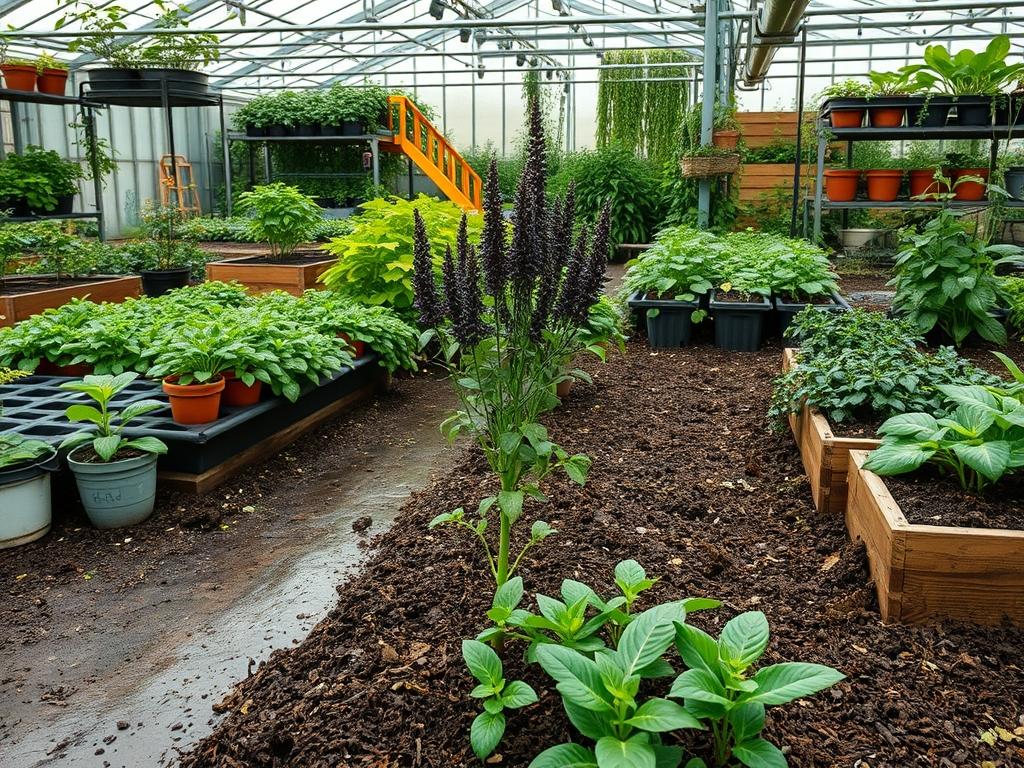
Integrating a woodland aesthetic into a modern landscape requires more than just biological knowledge; it demands an architectural understanding of how ecosystems function in the wild. The primary challenge when introducing Black Cohosh into a residential or commercial site is managing the transition from the structured, often compacted environment of a standard yard to the friable, nutrient-dense floor of a primary forest. This plant is a sentinel of the deep woods, often found under the filtered light of ancient hardwoods. To achieve high curb appeal and long-term outdoor functionality, a landscape architect must focus on the subterranean environment first. The best soil for Black Cohosh is not merely a substrate, but a living medium that mimics the accumulated organic wealth of centuries. By prioritizing soil health and site grading, we create a microclimate that supports the tall, architectural spires of this species while ensuring the surrounding softscape remains vibrant and low-maintenance.
In our professional consultations, we emphasize that outdoor living spaces benefit immensely from the vertical interest and textured foliage of native woodland plants. However, the success of these installations rests on the ability to replicate the hydrological and chemical properties of a forest floor. This means moving away from the “clean” but sterile soil often found in new developments. We look for a high organic matter content, typically between 5 percent and 10 percent, which allows for excellent moisture retention without the risk of stagnant water. When we plan these environments, we consider the elevation and the natural flow of water across the property. If the site is too flat, we engineer slight mounding to prevent root rot. If the site is too sloped, we implement tiered retaining walls to catch moisture and prevent the precious humus from washing away.
Landscape Design Principles
Effective landscape design is a balance of aesthetics and engineering. When working with Black Cohosh, symmetry is rarely the goal; instead, we strive for organic balance. We use focal points, such as a large granite boulder or a specimen Japanese Maple, to anchor the space. From there, we build elevation layers. The canopy layer provides the necessary dappled shade, the understory layer offers mid-level visual interest, and the herbaceous layer, where our Black Cohosh resides, fills the ground plane with lush greenery. This layering is not just for show; it protects the soil from direct solar radiation, which can quickly desiccate the sensitive root systems of woodland natives.
Irrigation planning is another critical pillar of professional design. While these plants enjoy moisture, they are highly sensitive to the chlorine and high pH often found in municipal water supplies. We recommend integrated drip irrigation systems placed beneath a thick layer of leaf mold or shredded bark mulch. This delivery method ensures that water reaches the roots directly and minimizes evaporation. Walkways should be designed to shepherd foot traffic away from these planting beds. Soil compaction is the silent killer of woodland gardens. By utilizing flagstone paths or elevated boardwalks, we preserve the “void space” in the soil, allowing oxygen to reach the roots and beneficial fungi to flourish.
Plant and Material Selection
| Plant Type | Sun Exposure | Soil Needs | Water Demand | Growth Speed | Maintenance Level |
| :— | :— | :— | :— | :— | :— |
| Black Cohosh | Part/Full Shade | Rich, Acidic Loam | Moderate to High | Moderate | Low |
| Christmas Fern | Full Shade | Well-drained Organic | Moderate | Slow | Very Low |
| Wild Ginger | Full Shade | Moist, Humus-rich | High | Slow | Low |
| Oakleaf Hydrangea | Part Shade | Acidic, Well-drained | Moderate | Medium | Medium |
| Hosta (Various) | Part/Full Shade | Versatile/Loamy | Moderate | Fast | Low |
| Leaf Mold Mulch | N/A | High Organic Content | N/A | N/A | Annual Refresh |
Implementation Strategy
The transition from a blueprint to a thriving garden begins with site preparation. First, we assess the site grading. A minimum 2 percent slope away from building foundations is standard, but in a woodland garden, we often create “swales” or shallow depressions lined with river rock to manage heavy runoff. Once the grading is set, we address the soil structure. If the existing soil is heavy clay, we do not simply dig a hole. We “top-dress” the area with 6 inches of composted organic matter and use a broadfork to aerate the ground without flipping the soil stages. This preserves the existing microbial life.
Edging is the next step. To maintain a crisp look, we use steel edging or deep-cut spade edges to separate the woodland beds from turf areas. This prevents invasive grasses from encroaching on the Black Cohosh. When planting, we ensure the crown of the plant is level with the soil surface; planting too deep is a common cause of crown rot. After the plants are in the ground, we apply a 3-inch layer of hardwood mulch or pine needles. This mimics the natural litter layer of the forest. Finally, we install the hardscaping elements. Use natural stone that matches the local geology to ensure the garden looks like it has always been part of the landscape.
Common Landscaping Failures
One of the most frequent mistakes we see in amateur installations is improper drainage management. When Black Cohosh is placed in a “basin” without an exit for excess water, the roots will suffocate within a single season. Conversely, many homeowners fail to account for “root competition” from large, established trees like maples or oaks. These trees have aggressive surface roots that can strip the soil of moisture and nutrients before smaller plants can access them. To counter this, we often use root barriers or strategically placed raised beds to give the smaller plants a competitive advantage.
Another failure is the use of high-nitrogen synthetic fertilizers. In a deep-woods environment, nutrients are released slowly through the decomposition of organic matter. Blasting Black Cohosh with quick-release chemicals can lead to “leggy” growth and weak stems that flop over during the first summer storm. Soil compaction is also a major hurdle. If heavy machinery was used during a home construction phase, the soil may be as hard as concrete 12 inches below the surface. Without deep aeration, the best soil for Black Cohosh will behave like a clay pot, trapping water and killing the plant via “the bathtub effect.”
Seasonal Maintenance
Managing a woodland landscape changes with the cycle of the year. In the Spring, the focus is on clearing away the heaviest debris while leaving some leaf litter to decay. This is the time to apply a thin layer of compost and check the irrigation nozzles for clogs. As the Black Cohosh begins to send up its “fiddleheads,” ensure that the soil remains consistently moist but not saturated.
During the Summer, the priority shifts to moisture conservation. If the temperature exceeds 90 degrees, you may need to increase the frequency of your drip irrigation. Monitor for pests, though Black Cohosh is remarkably resistant to deer and insects due to its chemical compounds. In the Autumn, do not be too quick to “clean up.” Let the leaves fall into the beds. This is the natural replenishment cycle that creates the best soil over time. Finally, in Winter, the architectural seed heads of the plant can be left standing to provide winter interest and bird habitat. Only cut the stalks back to the ground once the first hard freeze has turned the foliage brown.
Professional Landscaping FAQ
How do I test if my soil is acidic enough for Black Cohosh?
Use a digital pH meter or a professional soil test kit. You are looking for a range between 5.0 and 6.5. If the pH is too high, incorporate elemental sulfur or pine bark to slowly lower it over time.
Can I grow Black Cohosh in full sun if I water it more?
No, this is generally not recommended. Even with ample water, the intense UV rays will scorch the large leaves, leading to brown edges and stunted growth. Aim for no more than 2 to 3 hours of morning sun.
What is the best type of mulch for a woodland garden?
Composted leaf mold is the gold standard. It mimics the natural forest floor and breaks down into rich humus quickly. If that is unavailable, pine straw or aged hardwood mulch are excellent secondary options for moisture retention.
How far apart should I space Black Cohosh plants?
Space them roughly 18 to 24 inches apart. While they look small when purchased in 1-gallon pots, they will eventually spread via rhizomes and can reach a width of 3 feet at maturity, necessitating room for airflow.
Does Black Cohosh require frequent fertilization?
No, it prefers a slow-release approach. Instead of synthetic pellets, top-dress the soil annually with 1 inch of well-rotted manure or leaf compost. This provides all the micronutrients the plant needs to produce its signature white plumes.