
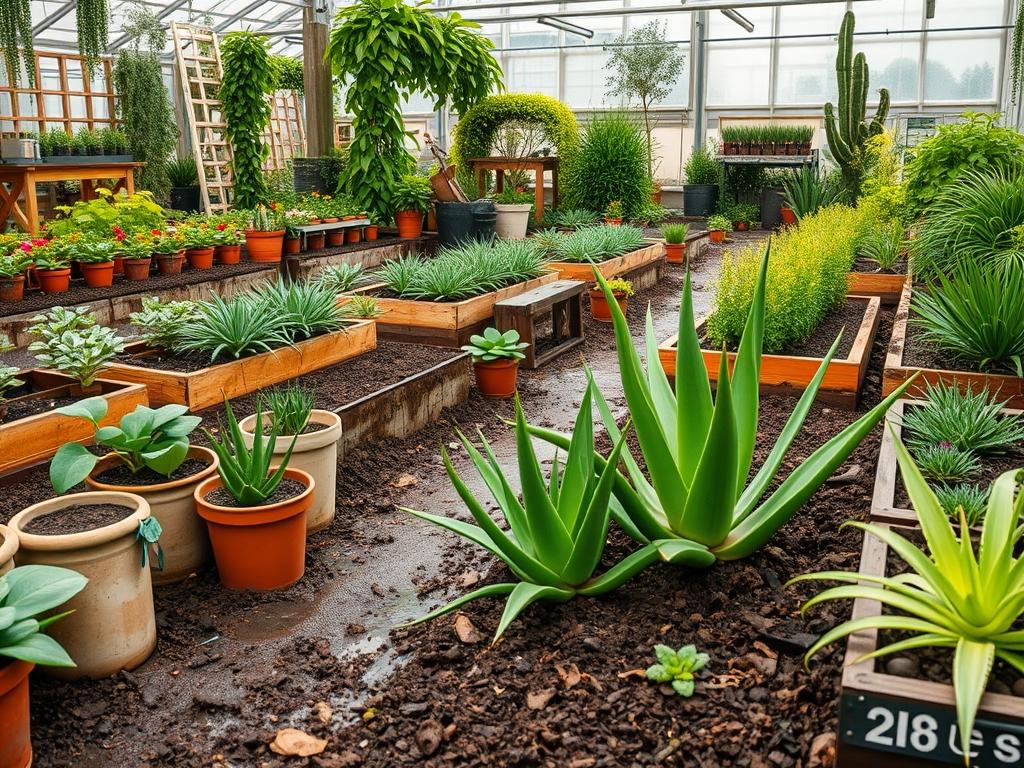
Designing an outdoor space requires more than an eye for aesthetics; it demands a deep understanding of the biological requirements of the species selected to inhabit that space. When incorporating succulents like the Aloe barbadensis into a professional landscape, the architect must shift focus from surface-level beauty to the subterranean environment. High-end curb appeal is often undermined by poor drainage, leading to yellowing leaves or catastrophic root failure. The primary challenge in most residential and commercial zones is the presence of heavy clay or compacted soils that retain moisture far too long. To achieve a functional, modern outdoor living area, the landscape must be engineered to mimic the arid, rocky natural habitats of these resilient perennials. A successful installation enhances the property’s value by creating a low-maintenance, high-impact visual statement that thrives regardless of seasonal rainfall fluctuations.
Integrating succulents into a cohesive master plan involves a careful balance between the softscape elements and the hardscape infrastructure. We must consider the thermal mass of surrounding structures, the path of the sun throughout the day, and the proximity to existing irrigation zones designed for more water-intensive species. The most effective Aloe Vera Soil Secrets lie in the physical structure of the medium used within the planting beds. By elevating these beds or utilizing natural slopes, we can ensure that every drop of water moves through the root zone efficiently. This architectural approach not only protects the plants but also justifies the investment in high-quality specimens that serve as the focal points of the garden.
Landscape Design Principles
Symmetry and focal points are the cornerstones of a sophisticated succulent garden. In a professional layout, a large Aloe or Agave can act as a natural sculpture. To create a sense of rhythm, we often employ the rule of three, grouping plants of varying sizes and textures to draw the eye across the landscape. The use of negative space is equally important; surrounding a bold succulent with fine-grained inorganic mulch, such as decomposed granite or pea gravel, allows the plant’s form to stand out.
Elevation layers are critical for both visual depth and functional drainage. By creating berms or using retaining walls, we can lift the root systems of sensitive plants away from the saturated base soil. This verticality adds interest to an otherwise flat yard and provides a prime opportunity to integrate different soil textures. Irrigation planning must be specialized. While traditional turf utilizes spray heads, a desert-inspired landscape requires targeted drip irrigation or inline emitters that deliver water directly to the base of the plant, avoiding the foliage and reducing the risk of fungal issues.
Walkways should complement the organic shapes of the plants. Using flagstone or pavers with wide gaps allows for further integration of “creeping” succulents like sedum, which softens the transition between the hardscape and the planting beds. Visual balance is achieved by pairing the rigid, architectural spikes of the Aloe with softer, mounding species. This contrast ensures the landscape feels intentional and curated throughout the year.
Plant and Material Selection
Selecting the right materials is the most critical phase of the project. The soil mix should ideally consist of 50 percent inorganic matter to ensure oxygen reaches the roots. Materials like pumice, perlite, or expanded shale provide the necessary porosity that standard garden soil lacks.
| Plant Type | Sun Exposure | Soil Needs | Water Demand | Growth Speed | Maintenance Level |
| :— | :— | :— | :— | :— | :— |
| Aloe barbadensis | Full Sun / Partial Shade | Sandy Loam, High Drainage | Low | Moderate | Low |
| Agave parryi | Full Sun | Gritty, Inorganic | Very Low | Slow | Very Low |
| Lavandula | Full Sun | Well-drained, Alkaline | Low | Moderate | Medium |
| Sedum Groundcover | Full Sun to Shade | Average to Poor Soil | Low | Fast | Low |
| Yucca filamentosa | Full Sun | Sandy, Dry | Very Low | Moderate | Low |
| Euphorbia | Full Sun | Gritty, Extremely Porous | Low | Moderate | Low to Medium |
Implementation Strategy
The first step in a backyard transformation is precise grading. Every site must be assessed for its natural “fall,” ensuring water moves away from the home’s foundation and into designated swales or drains. Once the grade is established, we excavate the planting areas to a depth of at least 12 inches. The native soil is rarely sufficient; instead, we backfill with a custom blend of coarse sand, horticultural charcoal, and compost.
Edging provides the clean lines necessary for a professional finish. Steel edging or concrete curbing prevents the migration of mulch and keeps individual garden zones distinct. When planting the Aloe, it is vital to keep the crown (the point where the leaves meet the roots) slightly above the final soil line. This prevents crown rot, a common killer of succulents. After the plants are in place, a layer of 2 to 3 inches of inorganic mulch is applied. This layer suppresses weeds, regulates soil temperature, and provides a polished, high-end look that complements the architectural lines of the plants.
Finally, the hardscaping elements like benches, fire pits, or sculptures are installed. These features should be anchored into the subgrade to ensure stability. Lighting is the finishing touch. Low-voltage LED uplights positioned at the base of larger succulents can transform the garden into a dramatic, high-contrast environment after dark, highlighting the shadows and geometric patterns of the leaves.
Common Landscaping Failures
The most frequent mistake in succulent landscaping is the “clay bowl effect.” This occurs when a homeowner digs a small hole in heavy clay and fills it with loose potting soil. The hole acts as a bucket, trapping water and drowning the roots. To avoid this, the entire planting bed must be amended, or a subterranean drainage pipe must be installed to carry excess water away from the area.
Root overcrowding is another issue. Many designers fail to account for the mature width of Aloe species, which can spread via pups or offsets. If the spacing is too tight, air circulation decreases, leading to pest infestations like mealybugs or scale. Furthermore, soil compaction from heavy foot traffic can crush the air pockets necessary for root respiration. Using stepping stones or defined paths is essential to protect the delicate underground structure. Irrigation inefficiency, such as over-watering during the dormant winter months, remains a leading cause of plant loss in professional environments.
Seasonal Maintenance
In the spring, the focus is on rejuvenation. This is the time to remove any frost-damaged leaves and apply a balanced, low-nitrogen fertilizer at half strength. We also check the irrigation system for leaks or clogged emitters. As summer temperatures rise, we monitor for signs of heat stress. While Aloe is drought-tolerant, it may require a deep soak every two weeks during extreme heatwaves to maintain its plumb, vibrant appearance.
Autumn is the season for “thinning out.” As succulents grow, they produce offsets that can clutter the original design intent. These should be removed and potted or relocated to other areas of the garden. Mulch depth should be refreshed to prepare for winter. During the winter months, maintenance is minimal. Irrigation should be dialed back significantly or turned off entirely if rainfall is sufficient. For regions prone to hard freezes, a frost cloth should be kept on hand to protect the fleshy leaves from cell damage.
Professional Landscaping FAQ
How can I fix heavy clay soil for my succulents?
Excavate the area to a depth of 18 inches and replace the native clay with a mix of 60 percent grit or pumice and 40 percent organic matter. This creates the necessary air gaps for healthy root development and rapid drainage.
What is the best mulch for a succulent garden?
Inorganic mulches like lava rock, crushed granite, or river stones are superior. They do not hold moisture against the plant’s neck, they do not decompose, and they provide a clean, modern aesthetic that highlights the plants’ unique silhouettes.
How often should I water my outdoor Aloe plants?
Watering frequency depends on climate. Generally, a deep soak once every 10 to 14 days in the summer is adequate. In the winter, once a month is usually sufficient, provided the soil is allowed to dry out completely between sessions.
Can Aloe Vera handle full afternoon sun?
Yes, but they require acclimation. While they thrive in bright light, plants moved directly from a nursery to intense 100-degree sun may scorch. Use shade cloth temporarily or plant during the milder temperatures of spring or autumn to allow for hardening.
Why are the bottom leaves of my Aloe turning mushy?
This is a classic sign of over-watering or poor drainage. The “Aloe Vera Soil Secrets” focus on drainage for this reason. Check the soil moisture immediately. If it is saturated, you must improve the porosity of the medium or reduce irrigation.