
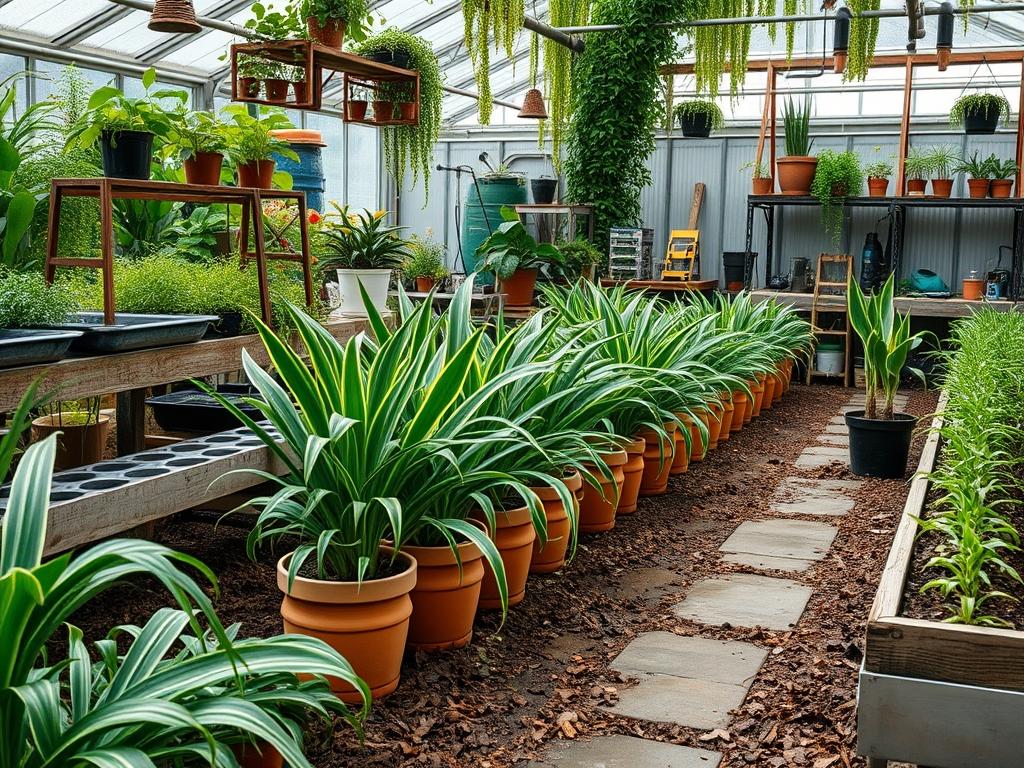
Integration of containerized flora into a professional landscape design requires more than aesthetic intuition; it demands a rigorous understanding of substrate science and environmental stressors. When we design transitional spaces like patios, verandas, or multi-level decks, hanging baskets featuring Spider Plants often serve as the primary architectural softening agents. These plants, known scientifically as Chlorophytum comosum, provide a unique cascading texture that breaks up the rigid lines of columns and exterior walls. To ensure these installations maintain their lush, arching form throughout the growing season, a consultant must prioritize the root zone environment. The selection of the Best Soil for Spider Plants is not merely a detail; it is the fundamental engineering choice that determines the success of the entire outdoor installation. A plant in a basket is an isolated ecosystem, detached from the natural groundwater table and subject to rapid temperature fluctuations and desiccation by wind.
Choosing the Best Soil for Spider Plants begins with an analysis of drainage and aeration. These plants possess thick, tuberous roots designed to store water, which makes them highly susceptible to rot if the medium remains saturated for too long. In a professional landscape application, we look for a medium that balances moisture retention with high porosity. This usually involves a precise blend of sphagnum peat moss, perlite, and pine bark. The peat provides the necessary cation exchange capacity to hold nutrients, while the perlite ensures that oxygen reaches the root system. Professionals often avoid standard garden soil for these applications because it lacks the structural integrity to prevent compaction over time. In the context of a hanging basket, compaction leads to anaerobic conditions, which can cause a rapid decline in curb appeal as the foliage yellows and the plant loses its characteristic vigor.
Landscape Design Principles
In the realm of high-end landscape architecture, hanging baskets are used to establish varied elevation layers. By introducing greenery at eye level or above, we create a sense of enclosure and intimacy in outdoor living rooms. Symmetry plays a crucial role here; a pair of Spider Plants flanking an entryway or spaced evenly along a pergola creates a rhythmic visual flow that directs the eye toward a focal point. However, this visual balance must be supported by unseen infrastructure. For instance, the weight of the soil when saturated becomes a significant factor in structural planning. We must ensure that the powder-coated steel brackets and galvanized fasteners are rated for the maximum expected load of a fully watered 12-inch basket.
Walkways and circulation paths are also influenced by container placement. A hanging basket should never impede movement, yet it must be accessible enough for regular maintenance. From an irrigation standpoint, professional designs often incorporate micro-drip emitters tucked discreetly into the baskets. This eliminates the need for manual watering, which is often neglected in hard-to-reach elevations. When we specify the Best Soil for Spider Plants, we also consider how it interacts with these automated systems. A soil medium with too much sand might wash out through the drainage holes, while a medium with too much clay will create puddles in the pot, leading to salt buildup from the irrigation water.
Plant and Material Selection
Selecting the right components for a suspended garden involves matching the biological needs of the plant with the physical properties of the materials. Below is a professional reference for common plants found in high-performance landscape baskets.
| Plant Type | Sun Exposure | Soil Needs | Water Demand | Growth Speed | Maintenance Level |
| :— | :— | :— | :— | :— | :— |
| Spider Plant | Partial Shade | Well-drained, porous | Moderate | Fast | Low |
| English Ivy | Shade to Sun | Loamy, moist | Moderate | Aggressive | Medium |
| Petunia | Full Sun | High organic matter | High | Fast | High |
| Dichondra Silver Falls | Full Sun | Sandy, fast-draining | Low | Moderate | Low |
| Boston Fern | Dappled Shade | Peat-heavy, moist | High | Moderate | Medium |
Implementation Strategy
The process of implementing a successful hanging landscape begins with site grading and the installation of structural supports. Even though the plants are elevated, the area beneath them must be considered. We typically specify a 3-inch layer of decorative mulch or a gravel drip strip underneath hanging baskets to manage the leachate that drains after watering. This prevents erosion and keeps the hardscaping from becoming stained by the tannins in the soil. Once the hardware is secured, we focus on the potting process.
To prepare the Best Soil for Spider Plants, we recommend a mix of 60 percent high-quality potting mix, 20 percent perlite, and 20 percent composted organic matter. Start by placing a small piece of landscape fabric over the drainage hole to prevent soil loss. Fill the basket to within two inches of the rim to allow for a water reservoir at the top. When planting, tease the roots of the Spider Plant gently if they are pot-bound. This encourages the tubers to move into the new medium rather than continuing to circle the root ball. After planting, we apply a slow-release granular fertilizer (10-10-10) to provide a steady supply of nutrients throughout the spring and summer.
Common Landscaping Failures
One of the most frequent mistakes in professional container management is the use of heavy, native field soil in hanging baskets. Field soil contains pathogens and weed seeds, but more importantly, it lacks the drainage required for a restricted root volume. This leads to soil compaction, where the air pockets required for root respiration are crushed under the weight of the water. Another common failure is improper spacing of containers. If baskets are placed too close to a dark-colored wall, the reflected heat can cook the root system, regardless of how good the soil is.
Irrigation inefficiency is a silent killer of Spider Plants. Designers often fail to account for the drying effect of wind at higher elevations. A basket that stays moist for three days on the ground might dry out in six hours when hung ten feet in the air. Furthermore, the lack of a proper drainage layer or the use of pots without holes causes the “teacup effect,” where the bottom of the soil remains a swamp while the top looks dry. This inconsistency is perhaps the greatest challenge in maintaining high-value landscape installations.
Seasonal Maintenance
Landscape management is a year-round commitment. In the spring, the primary task is revitalizing the soil. We often perform a top-dress of fresh compost to reintroduce beneficial microbes and replace height lost to settling. This is also the time to inspect the irrigation lines for clogs or leaks. During the height of summer, the focus shifts to moisture management. In extreme heat, even the Best Soil for Spider Plants may require daily watering. We monitor the foliage for tip burn, which often indicates a buildup of salts from the tap water or over-fertilization.
As autumn approaches, the growth rate of the Spider Plant slows. We reduce the frequency of fertilization and begin to prune back the “pups” or spiderettes to conserve the mother plant’s energy. In colder climates, these plants must be transitioned indoors or treated as annuals, as they cannot survive a hard frost. Winter maintenance for the containers themselves involves cleaning and disinfecting the baskets with a 10 percent bleach solution to kill any lingering fungal spores or pests before the next planting cycle begins.
Professional Landscaping FAQ
What is the ideal pH for spider plant soil?
A professional-grade substrate should maintain a pH between 6.0 and 7.0; this range ensures that essential micronutrients remain chemically available to the plant for optimal foliage color and root development.
How often should I replace the soil in my baskets?
For maximum vitality, replace the potting medium every 12 to 18 months; over time, the organic components decompose and lose their structural integrity, which leads to poor drainage and reduced oxygen flow.
Can I use orchid bark in my spider plant mix?
Yes, adding fine-grade orchid bark is an excellent way to increase the porosity of the medium; it mimics the natural forest floor and provides long-lasting aeration that resists the pressures of compaction.
Why are the tips of my spider plant leaves turning brown?
This is often caused by fluoride or salt accumulation in the soil; leaching the basket with distilled water or selecting a soil with high perlite content can help mitigate this common aesthetic issue.
Is it necessary to use a drainage layer of gravel?
In modern landscape practice, we prefer a consistent soil column rather than a gravel layer; gravel can actually raise the perched water table, which keeps the roots too wet and increases the risk of fungal disease.