
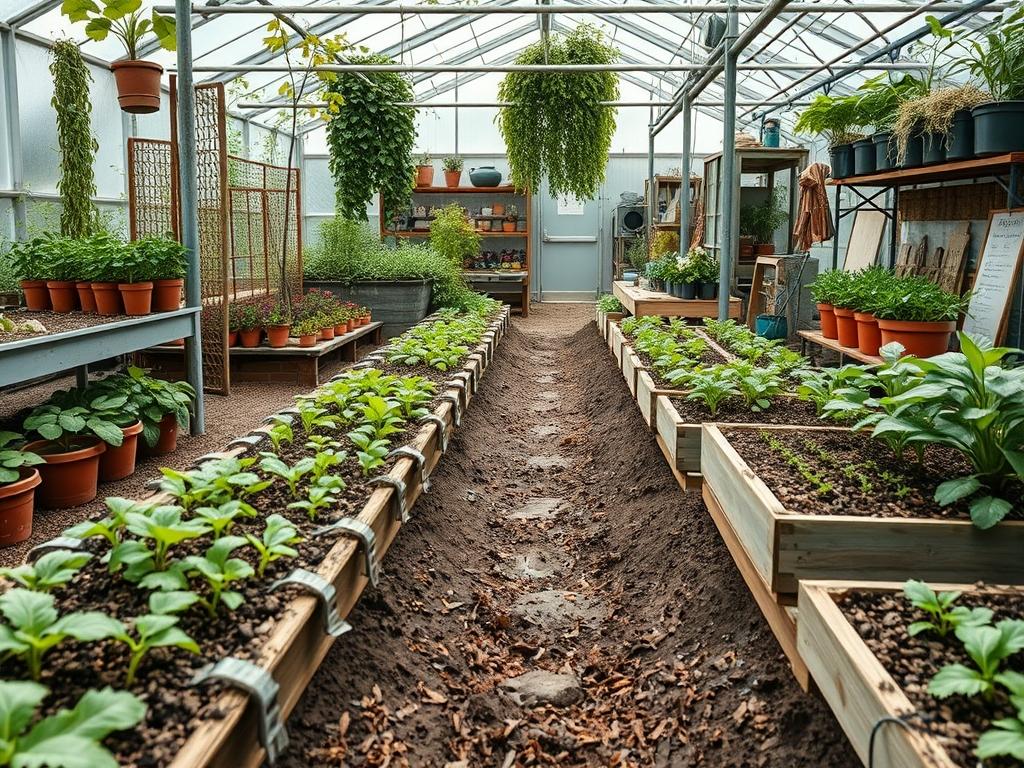
Designing a high end landscape requires more than an eye for aesthetics and a collection of expensive nursery stock. It demands a deep understanding of the hidden biological machinery that sustains life above the surface. While curb appeal often drives the initial investment, the long term success of any outdoor environment relies on the health of the subterranean ecosystem. This is where Understanding the Science of the Soil Food Web Basics becomes indispensable for the modern landscape architect. A site that ignores these biological foundations will inevitably face declining plant health, increased water costs, and a reliance on synthetic inputs that eventually degrade the property value. By integrating soil science with structural design, we create living environments that are not only beautiful but also self sustaining and resilient against climate fluctuations.
The primary landscaping challenge in contemporary residential and commercial projects is the reconciliation of human functionality with ecological health. We want flat, usable lawns for recreation, yet we also desire lush, layered privacy screens and vibrant floral displays. Often, these goals compete for resources. A heavily trafficked lawn can lead to soil compaction, which suffocates the microscopic organisms responsible for nutrient cycling. When we approach a new project, we look at the site through the lens of elevation, drainage, and biological potential. We evaluate the existing topsoil not just for its pH and nitrogen levels, but for its microbial diversity. A landscape built on healthy soil requires less irrigation and fewer chemical interventions, making it a superior investment for the property owner.
Landscape Design Principles
Effective landscape design is rooted in the interplay between hardscaping and softscaping, governed by the principles of symmetry and visual balance. Modern design often utilizes focal points like a custom retaining wall or a mature Quercus alba to anchor the viewer’s gaze. Symmetry provides a sense of order and formality, which is particularly effective in entryways to enhance curb appeal. However, we also incorporate asymmetrical balance in more secluded garden areas to mimic the natural flow of the environment. This is achieved through elevation layers, where we place groundcovers, mid story shrubs, and canopy trees in a way that provides depth and shadow.
Irrigation planning must be integrated into the design from the very first sketch. We utilize drip irrigation for planting beds to deliver water directly to the root zone, reducing evaporation and preventing the foliage diseases common with overhead spraying. Walkways are another critical design element; they should guide the visitor through the space while protecting the soil from compaction. By using permeable pavers or decomposed granite, we allow water to infiltrate the ground, recharging the local water table and supporting the soil food web. The goal is to create a seamless transition between the built environment and the organic world.
Visual balance also extends to the choice of materials. The stone used in a flagstone path should complement the architectural style of the home, while the mulch used in the beds should be organic and undyed to support the soil bacteria. We aim for a “living mulch” whenever possible, using dense plantings of groundcovers like Vinca minor or Pachysandra terminalis to suppress weeds and maintain soil moisture. This approach reduces the maintenance burden and creates a more cohesive, professional appearance.
Plant and Material Selection
The following table outlines high performance selections for a temperate landscape, focusing on species that thrive when the soil food web is properly managed.
| Plant Type | Sun Exposure | Soil Needs | Water Demand | Growth Speed | Maintenance |
| :— | :— | :— | :— | :— | :— |
| Buxus sempervirens | Full to Partial | Well Drained | Moderate | Slow | Medium |
| Echinacea purpurea | Full Sun | Loamy | Low | Fast | Low |
| Cornus florida | Partial Shade | High Organic Matter | Moderate | Medium | Medium |
| Panicum virgatum | Full Sun | Adaptable | Low | Fast | Low |
| Hydrangea macrophylla | Partial Shade | Moist / Rich | High | Medium | High |
| Taxus baccata | Shade to Sun | Deep / Fertile | Moderate | Slow | Low |
| Lavandula angustifolia | Full Sun | Sandy / Gritty | Very Low | Medium | Medium |
Implementation Strategy
Implementing a design requires a systematic approach to site preparation and installation. The first stage is always grading. We use a transit level to ensure that the land slopes away from the home foundation at a minimum of a two percent grade. This prevents water from pooling near the structure and directs it toward bioswales or rain gardens. Once the rough grade is established, we focus on the Soil Food Web Basics by incorporating high quality compost into the top 6 inches of soil. This introduces the beneficial fungi and bacteria necessary for plant health.
Next comes the layout of the hardscaping. We mark the edges of patios and walkways using marking paint and transit stakes. For retaining walls, a solid base of crushed stone (3/4 inch minus) is compacted to provide a stable foundation that resists settling. Drainage pipes, often 4 inch perforated PVC, are installed behind the walls to prevent hydrostatic pressure from causing a structural failure.
Once the “bones” of the landscape are in place, we begin planting. Each hole is dug twice as wide as the root ball but no deeper, ensuring the flare of the trunk is at or slightly above the soil surface. After the plants are set, we apply a 3 inch layer of arborist wood chips as mulch. This serves a dual purpose: it regulates soil temperature and provides a carbon source for the soil fungi. Finally, we install steel or poly edging to create a crisp, clean line between lawn areas and planting beds, which defines the space and prevents the encroachment of turf grass.
Common Landscaping Failures
The most frequent failure in professional landscaping is improper drainage. When water is allowed to sit in the root zone, it creates anaerobic conditions that kill beneficial microbes and promote root rot. This often happens because the soil was poorly graded or because a “bathtub effect” was created by digging a hole in heavy clay and filling it with light potting soil. Another common mistake is root overcrowding. Designing for the size of the plant at the time of installation, rather than its size at maturity, leads to a congested landscape that requires constant, aggressive pruning and competes for limited soil nutrients.
Soil compaction is a silent killer of high end landscapes. During construction, heavy machinery compresses the soil, destroying the pore space needed for air and water movement. This halts the activity of the soil food web. If the soil is compacted, we must use mechanical aeration or deep tilling with organic amendments to restore its structure. Furthermore, improper irrigation, particularly frequent shallow watering, encourages weak root systems. We advocate for “deep and infrequent” watering schedules that force roots to grow deeper into the earth, where they can access more stable moisture levels and interact with a deeper microbial community.
Seasonal Maintenance
Landscape management is a year round commitment that shifts with the seasons. In the spring, the focus is on “awakening” the garden. This includes removing winter debris, inspecting the irrigation system for leaks, and applying a fresh layer of compost tea to boost the microbial population. This is also the time for structural pruning of deciduous trees before they fully leaf out.
Summer maintenance is primarily about water management and stress reduction. We monitor the moisture levels using a soil moisture meter to ensure the root zones are hydrated during heat waves. We avoid heavy fertilization during the peak of summer, as this can cause a flush of new growth that the plant cannot support in high temperatures.
Autumn is the ideal time for planting and soil building. The warm soil and cooler air temperatures are perfect for root development. We leave fallen leaves in the beds whenever possible, as they provide a natural mulch and habitat for beneficial insects. Winter is the season for “hardscape audits.” We check for shifting stones or heaving pavers and perform dormant pruning on species like Rosa or Hydrangea to prepare them for a vigorous spring display.
Professional Landscaping FAQ
How does the soil food web improve my plants?
The soil food web consists of bacteria, fungi, and protozoa that break down organic matter into plant available nutrients. This biological process creates a natural fertilizer system, strengthens plant immunity against pests, and improves the overall structure of the earth for deeper root growth.
What is the best mulch for long term soil health?
Organic, undyed wood chips or shredded hardwood are superior choices. Unlike rubber or dyed mulches, organic options decompose over time, feeding the soil fungi and adding valuable carbon back into the ecosystem, which sustains the microscopic organisms your plants rely on.
Why is drainage more important than irrigation?
While plants need water, stagnant water displaces oxygen in the soil. Without oxygen, beneficial aerobic microbes die, and harmful anaerobic pathogens thrive. Proper drainage ensures that the soil stays aerated, allowing the root systems to breathe and function efficiently between watering cycles.
How often should I aerate my lawn or garden beds?
Lawn areas with high foot traffic should be aerated annually to relieve compaction. Garden beds typically do not need mechanical aeration if you maintain a healthy layer of mulch and avoid walking on them, as the soil organisms naturally create pore space.
Can I fix “dead” soil without replacing it?
Yes. You can revitalize degraded soil by adding high quality compost, applying liquid microbial inoculants, and keeping the surface covered with organic mulch. Over a few seasons, the science of the soil food web will naturally restore the nutrient cycling and biological activity.