
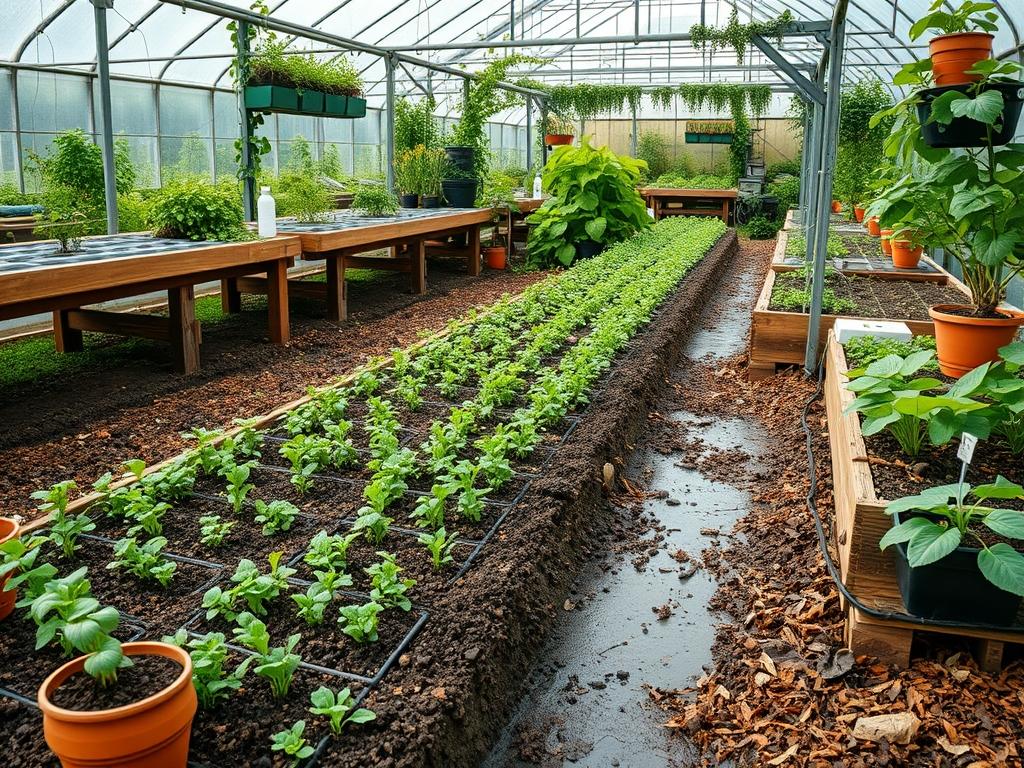
Sustainable landscaping requires a delicate balance between aesthetic elegance and biological efficiency. When we approach an environment from the perspective of a landscape architect, we often focus on the visible layers such as the canopy, the understory, and the ground cover. However, the most critical infrastructure of a high performing garden exists beneath the surface within the rhizosphere. One of the most sophisticated tools in a designer’s arsenal for long term soil vitality is Rhizobia Nitrogen Fixation. This biological process involves a symbiotic relationship between specific soil bacteria and the root systems of leguminous plants. By integrating these species into a master plan, we move away from the high maintenance cycle of synthetic fertilization and toward a self sustaining ecosystem. This approach addresses the common landscaping challenges of poor soil structure and nutrient leaching while enhancing the overall curb appeal through lush, vibrant foliage that remains resilient even in competitive urban environments.
The architectural challenge of a residential or commercial landscape often boils down to the longevity of the installation. We strive for a design that matures gracefully over 10 to 20 years rather than one that requires a complete overhaul every five seasons. High traffic areas, sloped terrains, and decorative borders all benefit from the structural integrity provided by nitrogen fixing legumes. These plants do not merely occupy space; they actively improve the site’s chemical composition. By fixing atmospheric nitrogen into a plant available form, they create a nutrient reservoir that benefits neighboring ornamental species. This is particularly vital in new construction where the native topsoil has often been stripped or compacted by heavy machinery. Incorporating Rhizobia Nitrogen Fixation allows the landscape professional to repair the soil naturally, ensuring that the finished product serves both as a functional outdoor living space and a thriving biological habitat.
Landscape Design Principles
Successful garden planning relies on the fundamental principles of symmetry, focal points, and elevation layers to guide the eye and create a sense of order. When designing with nitrogen fixing legumes, we treat these plants as functional anchors within the visual hierarchy. A large Eastern Redbud (Cercis canadensis) can serve as a stunning focal point during the spring bloom, while simultaneously enriching the transition zone between a manicured lawn and a wooded perimeter. Symmetry is achieved by mirroring these nitrogen sources across a central axis, such as a stone walkway or a primary sightline from the home. This creates a rhythmic pattern of growth that feels intentional rather than haphazard.
Elevation layers are equally critical for maximizing the benefits of Rhizobia Nitrogen Fixation. In a professional layout, we utilize three distinct tiers: the overstory, the shrub layer, and the ground cover. By strategically placing arborescent legumes like Honey Locust (Gleditsia triacanthos) in the upper tier and Blue Wild Indigo (Baptisia australis) in the mid layer, we ensure that nitrogen enrichment occurs at various depths within the soil profile. This vertical integration supports a diverse range of secondary plants that lack the ability to fix their own nutrients. Furthermore, the use of legumes in elevation planning helps manage drainage; their deep and often aggressive root systems stabilize slopes and prevent the erosion of expensive mulch and topsoil during heavy rain events.
Visual balance is maintained by mixing the fine textures of leguminous foliage with the broader leaves of non fixers. For example, the delicate, feathery leaves of a Mimosa tree provide a soft contrast to the rigid geometry of a Boxwood hedge or a stone retaining wall. Irrigation planning must also be synchronized with these biological features. While many legumes are drought tolerant once established, the initial inoculation phase requires consistent moisture to ensure the bacteria thrive. We typically install Drip Irrigation Lines at a depth of 4 to 6 inches to deliver water directly to the root zone where the nitrogen fixing nodules are forming. This targeted approach minimizes weed growth and reduces water waste, aligning with modern sustainability standards.
Plant and Material Selection
| Plant Type | Sun Exposure | Soil Needs | Water Demand | Growth Speed | Maintenance Level |
| :— | :— | :— | :— | :— | :— |
| White Clover | Full Sun / Part Shade | Loamy / Poor Soil | Moderate | Fast | Low |
| Lupines | Full Sun | Sandy / Well-drained | Moderate | Fast | Medium |
| Kentucky Coffee Tree | Full Sun | Moist / Deep Soil | Moderate | Slow | Low |
| Eastern Redbud | Part Shade | Well-drained | Moderate | Moderate | Low |
| Baptisia (False Indigo)| Full Sun | Lean / Dry Soil | Low | Moderate | Very Low |
| Wisteria (American) | Full Sun | Rich / Loamy | High | Fast | High |
Implementation Strategy
The transition from a blueprint to a living landscape begins with rigorous site preparation. For a garden relying on Rhizobia Nitrogen Fixation, we must first address the soil’s existing microbial health. Traditional grading often leaves the ground sterile; therefore, we recommend a soil test to check pH levels, as extreme acidity or alkalinity can inhibit bacterial activity. Once the grade is established, we apply an Inoculant directly to the seeds or the root balls of the legumes during the planting process. This ensures that the specific strains of bacteria required for nitrogen fixation are present in the soil from day one.
Edging and hardscaping provide the skeleton of the design. We define the boundaries of leguminous beds using Steel Edging or Paver Borders to prevent spreading species, like certain clovers, from encroaching on highly manicured turf. For the mulch layer, we apply 3 inches of organic Hardwood Mulch. Unlike inorganic stone, wood mulch breaks down over time, adding carbon to the soil which works in tandem with the nitrogen provided by the Rhizobia. Drainage is the next priority; we install French Drains or Dry Creek Beds in low lying areas to prevent waterlogging. Excessive water displaces the oxygen in the soil pores, which effectively suffocates the aerobic bacteria responsible for nitrogen fixation.
Common Landscaping Failures
One of the most frequent errors in professional landscaping is the over application of high nitrogen synthetic fertilizers. When the soil is saturated with chemical nitrogen, the leguminous plants become “lazy” and stop feeding the colonies of bacteria on their roots. This breaks the cycle of Rhizobia Nitrogen Fixation and leads to a total dependence on external inputs. Another common mistake is root overcrowding. When plants are spaced too closely, they compete for the same micronutrients and oxygen, leading to stunted growth and a higher susceptibility to pests.
Soil compaction is a silent killer in many residential gardens. High foot traffic or the improper use of heavy equipment can crush the delicate soil structure, destroying the macro pores where air and water circulate. Without sufficient oxygen, the symbiosis between the plant and the bacteria fails. Finally, poor drainage planning often leads to root rot. Even the most resilient nitrogen fixers cannot survive “wet feet” for extended periods. If the water cannot move through the soil, the chemical exchange required for nitrogen fixation is halted, resulting in chlorotic, yellowing leaves despite the presence of nutrient fixing species.
Seasonal Maintenance
Spring is the season of activation. As soil temperatures rise, we monitor for the first signs of root activity. This is the ideal time to add new leguminous additions or to refresh the Inoculant in existing beds. We prune any winter damage from trees like the Black Locust to encourage new growth. In the summer, the focus shifts to irrigation management. While the legumes are working at peak capacity to fix nitrogen, they require steady hydration to maintain the metabolic cost of supporting their bacterial partners. We check Drip Emitters for clogs and ensure the 3 inch mulch depth is maintained to preserve soil moisture and cool the root zone.
Autumn is the season for “green manure” management. For herbaceous legumes, we often recommend cutting them back and leaving the biomass on the soil surface to decompose. This returns the fixed nitrogen to the earth, preparing the ground for the following spring. It is also the time to plant dormant trees and shrubs, allowing their root systems to settle before the ground freezes. During winter, maintenance is primarily structural. We protect the graft unions of ornamental legumes from extreme frost and use Burlap Wraps for younger specimens to prevent windburn. This year round cycle ensures that the Rhizobia Nitrogen Fixation remains a permanent, functioning part of the landscape’s utility.
Professional Landscaping FAQ
What is the primary benefit of Rhizobia for my garden?
It provides a natural, continuous source of nitrogen, which significantly reduces the need for chemical fertilizers. This creates a healthier environment for children and pets while encouraging a more robust, self sustaining plant ecosystem over several years.
Do I need to add bacteria to the soil manually?
While some soils contain native bacteria, using a specific Inoculant during planting ensures that the correct strain is present. This is a low cost insurance policy to guarantee that your legumes actually begin the process of nitrogen fixation.
Can nitrogen fixing plants help with poor soil?
Yes, they are ideal for “reclaiming” tired or compacted soil. Their deep root systems break up heavy clay, while the nitrogen they release improves the soil’s fertility for future generations of ornamental plants and turf.
Are all legumes used in landscaping nitrogen fixers?
Most are, but not all. Popular ornamental choices like Wisteria, Lupine, and Clover are excellent fixers. However, it is always best to verify the specific species with a landscape architect to ensure it meets your site’s biological goals.
How long does it take to see results?
Visible improvements in foliage color and soil texture typically appear within one full growing season. As the root nodules develop and the plants mature, the cumulative effect of the nitrogen enrichment becomes more pronounced each year.