
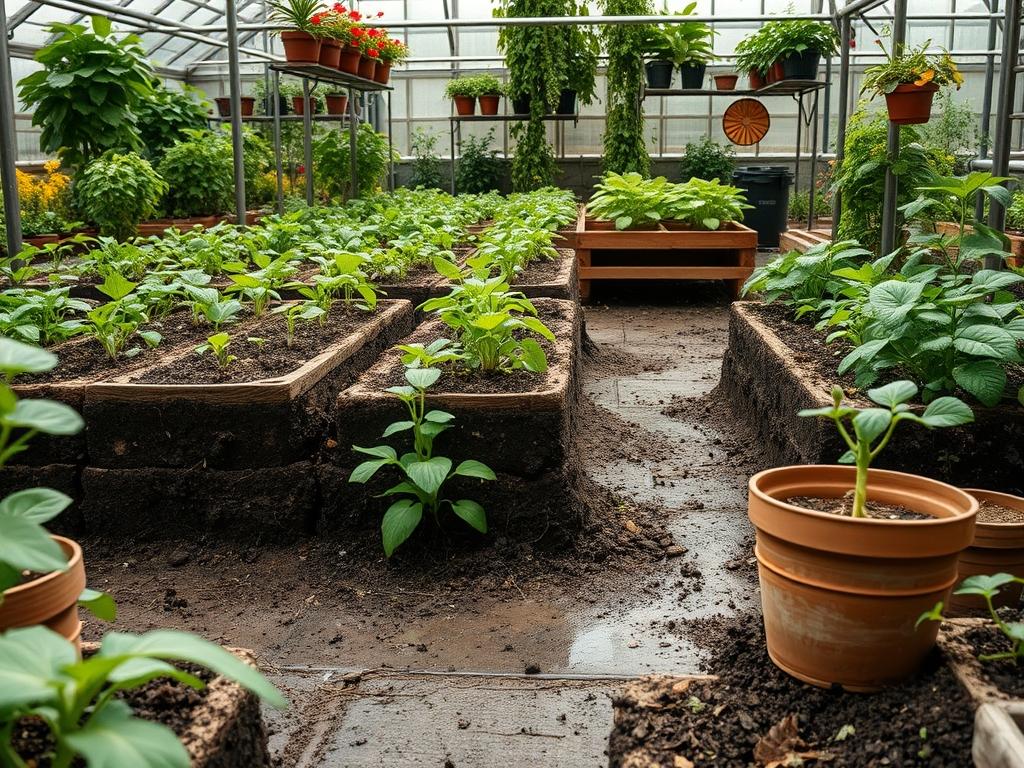
Scaling a professional landscape design often requires a significant financial investment in nursery stock, especially when the goal is to create dense privacy screens or expansive perimeter hedges. For the landscape architect or the dedicated property owner, propagating plants from hardwood cuttings provides a strategic way to multiply high quality specimens while ensuring they are perfectly adapted to the local microclimate. The success of this method relies heavily on the technical application of rooting hormone in soil, which facilitates the transition from a dormant woody stem to a vibrant, nutrient-absorbing root system. By understanding the physiological requirements of hardwood cuttings, you can bridge the gap between initial site planning and the long term establishment of a resilient, lush outdoor environment. Successful propagation impacts more than just the individual plant; it ensures that the architectural intent of the garden, from its focal points to its functional boundaries, remains intact over several growing seasons.
When we consider the curb appeal of a property, the uniformity of plant material plays a vital role in creating a polished appearance. Using cuttings from existing healthy plants ensures genetic consistency, which is particularly important for formal designs that rely on symmetry. This process is not merely a cost saving measure, but a sophisticated landscaping strategy that allows for the mass production of native plants and ornamental shrubs that might be difficult to source in large quantities at a specific size. As environmental factors like soil acidity and drainage vary across a landscape, starting plants from cuttings already acclimated to the site can result in higher survival rates and faster establishment after they are transplanted to their permanent locations.
Landscape Design Principles
In the realm of landscape architecture, the integration of new plants must follow established design principles to ensure a cohesive result. Symmetry is often the first consideration for formal entrances and walkways. By using hardwood cuttings treated with rooting hormone in soil, a designer can produce dozens of identical Boxwood or Privet plants to create perfectly mirrored hedges. This architectural repetition provides a sense of order and guides the viewer’s eye toward specific focal points, such as an imported stone fountain or a structured seating area.
Elevation layers also play a critical role in the spatial dynamics of a garden. Hardwood cuttings typically originate from woody shrubs and deciduous trees, which occupy the mid-story and upper canopy of a landscape. When planning these layers, it is essential to consider the eventual height and spread of the propagated material. Low growing shrubs should be placed in front of taller specimens to create depth and visual interest. Irrigation planning must be integrated into this design from the beginning. While hardwood cuttings require consistent moisture during their initial rooting phase, the mature plants will need a more permanent solution. Installing a drip irrigation system before the new plants are moved to their final beds ensures they receive targeted hydration without the waste associated with overhead spraying. These principles, when combined with careful site grading to prevent water pooling, create a foundation for a professional grade outdoor living space.
Plant and Material Selection
Selecting the right species for hardwood propagation is the first step in a successful project. Not all plants respond equally to the transition from dormant wood to a rooted organism. The following table highlights common hardwood species that thrive when started with the help of rooting hormone in soil.
| Plant Type | Sun Exposure | Soil Needs | Water Demand | Growth Speed | Maintenance Level |
| :— | :— | :— | :— | :— | :— |
| Dogwood (Cornus) | Partial Shade | Well-Drained Organic | Medium | Moderate | Low |
| Willow (Salix) | Full Sun | Moist to Wet Soil | High | Fast | Moderate |
| Rose (Rosa) | Full Sun | Loamy and Rich | Medium | Fast | High |
| Forsythia | Full Sun | Adaptable/Tolerant | Medium | Fast | Low |
| Hydrangea | Partial Shade | Moist and Well-Drained | High | Moderate | Moderate |
| Viburnum | Full Sun to Shade | Slightly Acidic | Medium | Moderate | Low |
For these species, the quality of the rooting hormone is paramount. Most professionals prefer a powder or liquid formulation containing Indole-3-butyric acid (IBA). This synthetic auxin mimics the natural growth hormones found in plants, stimulating cell division at the cut site. Additionally, the soil medium for hardwood cuttings should be different from standard garden soil. A mix of perlite, coarse sand, and peat moss provides the necessary aeration and moisture retention required for delicate new roots to navigate.
Implementation Strategy
The process begins in late autumn or early winter when the parent plant is fully dormant. Select healthy, one year old wood that is roughly the thickness of a pencil. Use sterilized bypass pruners to make a clean, straight cut just below a node at the base. The total length of the cutting should be between 6 inches and 10 inches. To maximize the effectiveness of the rooting hormone in soil, wound the base of the cutting by gently scraping a small section of the outer bark to reveal the green cambium layer.
Once the cuttings are prepared, dip the wounded end into the rooting hormone. If using a powder, ensure the bottom 1 inch is evenly coated. Prepare your nursery bed or deep containers with the specialized soil mix mentioned previously. Use a small tool or a pencil to create a pilot hole in the soil; this prevents the hormone from being rubbed off as the cutting is inserted. Insert the cutting so that at least two thirds of its length is underground, leaving only one or two buds exposed above the surface.
Landscape layout planning requires that these propagation beds be placed in a protected area, away from harsh winds and direct afternoon sun. Proper grading around the propagation area is necessary to ensure that runoff does not disturb the dormant sticks. Apply a layer of fine mulch, approximately 1 inch deep, to regulate soil temperature and prevent the ground from heaving during freeze-thaw cycles. As the weather warms in the spring, the hormone will trigger the development of a calloused base, followed by the emergence of white adventitious roots.
Common Landscaping Failures
One of the most frequent mistakes in propagation is improper drainage. If the soil remains saturated for extended periods, the base of the cutting will rot before the rooting hormone can stimulate growth. This often occurs when cuttings are placed in heavy clay soil without the addition of organic matter or coarse sand. Root overcrowding is another issue; if cuttings are placed too close together, their roots will become entangled, leading to high stress and potential death during the transplanting phase. Ensure at least 4 inches of space between each cutting in the nursery bed.
Soil compaction is a silent killer in the landscape. When soil is too dense, oxygen cannot reach the developing root system, effectively suffocating the plant. This is particularly problematic in new construction areas where heavy machinery has compressed the earth. To avoid this, always loosen the soil to a depth of 12 inches before planting. Irrigation inefficiencies, such as uneven water distribution, can also lead to failure. If one end of a nursery row is dry while the other is flooded, the resulting growth will be erratic, ruining the intended symmetry of your landscape design.
Seasonal Maintenance
Long term landscape management requires a seasonal approach to care for propagated plants. In the spring, once new leaves appear on the cuttings, start a regular fertilization schedule using a balanced, water soluble formula to support shoot growth. This is also the time to inspect for pests like aphids or scale that may target tender new growth.
During the summer, the primary focus shifts to moisture management. As temperatures rise, the water demand of the young plants increases significantly. A 2 inch layer of hardwood mulch will help retain soil moisture and suppress weeds that compete for nutrients.
In the autumn, it is time to evaluate which plants are ready for their permanent positions in the landscape. Those with vigorous top growth and a sturdy root ball can be moved into their final locations near retaining walls, along walkways, or into focal garden beds.
In the winter, protect any remaining young plants from the cold. A burlap screen can be used to shield evergreen cuttings from desiccation caused by winter winds. By following this cycle, you ensure that the effort put into using rooting hormone in soil results in a permanent, thriving addition to your outdoor environment.
Professional Landscaping FAQ
How much rooting hormone should I apply to each cutting?
Apply enough to lightly coat the bottom 1 inch of the stem. It is best to dip the cutting into a separate container of hormone to avoid contaminating the entire supply with soil or moisture during the application process.
Can I use rooting hormone in soil for all plant types?
While highly effective for hardwood and softwood cuttings, it is not always necessary for succulent varieties. Woody shrubs and deciduous trees benefit the most from the synthetic auxins found in professional grade rooting products to overcome winter dormancy.
How long does it take for hardwood cuttings to root?
Hardwood cuttings are the slowest to root, often taking several months. They typically remain dormant through the winter and begin developing a robust root system in early spring as soil temperatures rise above 50 degrees Fahrenheit.
Does the soil pH affect the rooting hormone’s performance?
Most rooting hormones perform best in a slightly acidic to neutral environment with a pH between 5.5 and 7.0. Extremes in soil acidity or alkalinity can inhibit the chemical signals provided by the hormone and hinder root development.
What is the best way to prevent fungal growth in propagation beds?
Ensure excellent airflow and avoid overwatering. Using a sterile, soil-less medium like perlite or vermiculite mixed with peat significantly reduces the risk of soil-borne pathogens attacking the base of your cuttings during the long rooting period.