
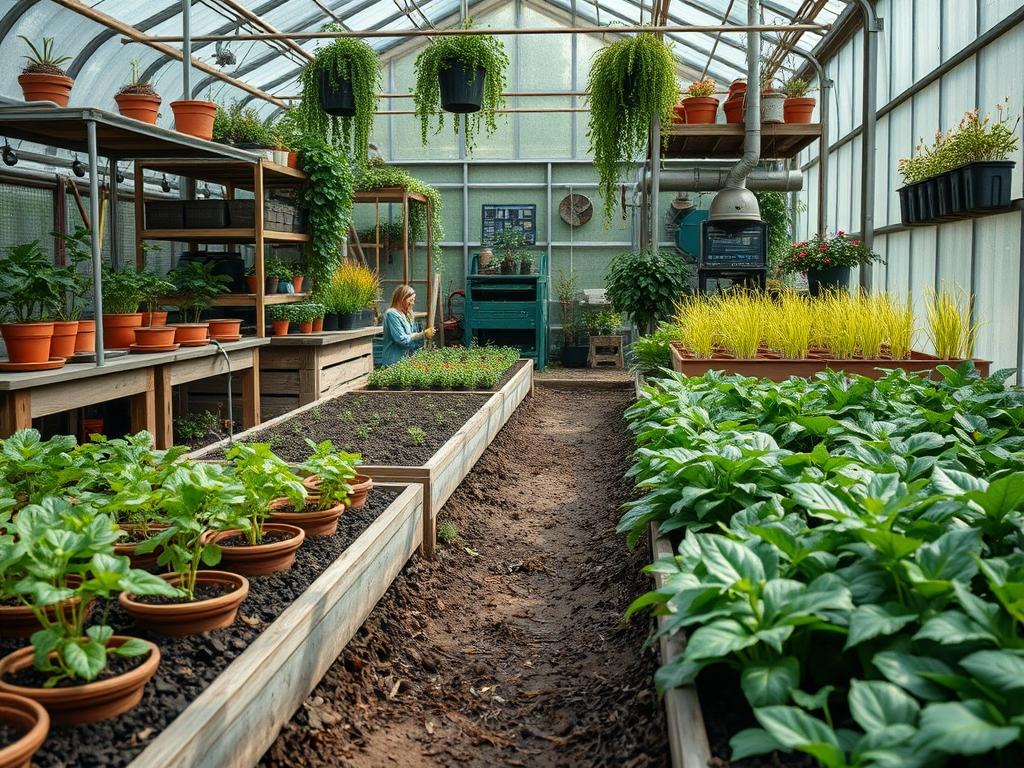
Every professional landscape architect knows that the most complex designs are only as resilient as the subterranean systems supporting them. When we approach a new project, we prioritize curb appeal and outdoor functionality, yet the longevity of these goals often rests on the biological health of the soil. Integrating beneficial fungi into the root zone is a primary strategy for ensuring that delicate specimens thrive in challenging urban or suburban microclimates. Using mycorrhizae safely requires a nuanced understanding of how these organisms form symbiotic relationships with vascular plants. When applied correctly, they bridge the gap between harsh site conditions and the lush, high performing environments clients expect. This invisible infrastructure acts as a biological extension of the root system, significantly increasing the surface area for water and nutrient absorption.
The success of a landscape is measured by its ability to mature gracefully over decades. In many modern developments, the native soil structure is destroyed during the construction process, leaving behind compacted, sterile subsoil that lacks the microbial diversity necessary for plant health. By introducing fungal inoculants during the planting phase, we can simulate the complex ecosystems found in undisturbed forests. This practice is not merely an additive; it is a foundational restoration of the site’s biological capacity. Using mycorrhizae safely ensures that we are not just throwing money at a problem but are instead building a self sustaining network that reduces the need for supplemental irrigation and chemical fertilizers.
Landscape Design Principles
In the realm of high end landscape design, symmetry and focal points define the visual experience. However, maintaining that symmetry requires uniform growth rates across all specimens. If one Oak tree in a matched pair struggles while the other thrives, the visual balance is shattered. We use mycorrhizal inoculants to level the playing field, providing a consistent nutrient delivery system that helps plants overcome localized soil discrepancies. This allows for more ambitious focal points, such as large Cedar trees or expansive Boxwood hedges, to establish quickly and maintain the crisp lines required by formal layouts.
Elevation layers and sightlines are also heavily influenced by root health. When we design multi tiered gardens with retaining walls, the soil behind those walls can often become hot and dry. Using mycorrhizae safely in these elevated planters ensures that plants like Creeping Juniper or Standard Roses can access deep moisture pockets that would otherwise be unavailable. This creates a more resilient vertical garden that maintains its lush appearance even through the heat of midsummer. Furthermore, proper irrigation planning must account for the fact that mycorrhizal plants are often thirty percent more efficient with water. We can design zones with lower flow rates, reducing the overall environmental footprint of the property.
Walkways and hardscaping elements provide the framework for outdoor living, but they also create barriers for root expansion. Strategic application of beneficial fungi allows roots to maximize the limited space available beneath flagstone pavers or along the edges of concrete driveways. By optimizing the efficiency of the root system within a smaller volume of soil, we prevent the aggressive root searching that often leads to cracked pavement or lifted stones. Visual balance is thus maintained both above and below the ground, where the structural integrity of the hardscape and the vitality of the softscape exist in a symbiotic relationship.
Plant and Material Selection
Selecting the right materials involves matching the biological needs of the plant with the specific strain of fungi. Most landscape plants require Endomycorrhizae, while most coniferous trees require Ectomycorrhizae. The following table outlines standard selections for a temperate residential landscape.
| Plant Type | Sun Exposure | Soil Needs | Water Demand | Growth Speed | Maintenance Level |
| :— | :— | :— | :— | :— | :— |
| White Oak | Full Sun | Well Drained | Moderate | Slow | Low |
| Lavender | Full Sun | Sandy/Rocky | Low | Medium | Medium |
| Hydrangea | Part Shade | Rich/Moist | High | Fast | High |
| Japanese Maple | Part Shade | Loamy/Acidic | Moderate | Medium | Medium |
| Switchgrass | Full Sun | Variable | Low | Fast | Low |
| Boxwood | Full/Part Sun | Uniform | Moderate | Slow | High |
Implementation Strategy
A successful implementation starts with a clear backyard or garden layout plan that accounts for grading and drainage. Before the first plant enters the ground, the site must be graded to ensure water moves away from the home’s foundation while still percolating into the planting beds. Once the topography is set, we begin the planting process. For container grown plants, the safest way to use mycorrhizae is by applying the powder or granular inoculant directly to the root ball. This ensures immediate contact between the fungal spores and the living root tissue.
When backfilling the planting hole, mix the native soil with high quality organic matter, but avoid over saturating the mix with synthetic fertilizers. High levels of phosphorus are particularly detrimental to fungal colonization; if the soil is too rich, the plant will not signal for the fungi to attach. Edging should be installed to define the beds and prevent turf grass from competing with the newly inoculated shrubs. A layer of natural cedar mulch at a depth of 2 to 3 inches is essential. This mulch keeps the soil temperature stable and retains moisture, creating the ideal dark, damp environment that mycorrhizae need to flourish.
For larger projects involving retaining walls, ensure that the drainage stone and filter fabric do not interfere with the biological connectivity of the soil. We often suggest a “stepped” application, where inoculants are placed at various depths to encourage deep rooting. This strategy is vital for slope stabilization. As the fungi knit the soil particles together with their hyphae, they create a biological mesh that prevents erosion far more effectively than roots alone. This creates a landscape that is not only beautiful but structurally sound.
Common Landscaping Failures
The most frequent failure we see in the field is improper drainage. While mycorrhizae help plants survive drought, they cannot survive in anaerobic, waterlogged soil. If a site has “wet feet” due to poor grading, the beneficial fungi will die, followed shortly by the plant roots. Soil compaction is another silent killer. Heavy machinery used during construction can turn soil into a brick like consistency, leaving no room for oxygen or fungal growth. Using a core aerator or incorporating gypsum can help break up this compaction before planting begins.
Another mistake is root overcrowding. Designers often want an “instant” look and plant shrubs too close together. This leads to intense competition for resources. While mycorrhizae can share nutrients between plants, excess density leads to poor air circulation and increased disease pressure. Improper spacing also makes it difficult to apply mulch or soil amendments safely later in the plant’s life. Finally, irrigation inefficiencies, such as frequent shallow watering, discourage deep root growth. It is better to water deeply and less often, allowing the fungal network to seek out moisture in the lower soil profiles.
Seasonal Maintenance
Spring is the time for renewal and assessment. As the soil warms to approximately 50 degrees Fahrenheit, the fungal network reactivates. This is the ideal window to apply a top dressing of compost to provide the carbon sources the fungi require. Check your irrigation controllers to ensure they are functioning, but avoid the temptation to overwater. During the summer, the focus shifts to moisture management. The mycorrhizal network will be working at peak capacity to keep plants hydrated during heat waves. Monitor for signs of stress, but trust the biological system you have built.
Autumn serves as the second most active growth period for roots. As the top of the plant goes dormant, the roots continue to expand into the cooling soil. This is a great time for “plugging” or deep soil inoculation for existing trees that seem to be struggling. Clean up fallen leaves, but consider leaving a thin layer of organic debris in the beds to break down over winter. In winter, the landscape enters a period of rest. Ensure that evergreens are well mulched to prevent desiccation from cold winds. The fungi will remain dormant in the soil, ready to support the next flush of spring growth.
Professional Landscaping FAQ
What is the best way to apply mycorrhizae?
Direct contact with active root tips is essential. Sprinkle granular inoculants directly onto the wet root ball during transplanting or use a root dip for bare root specimens to ensure immediate biological colonization.
Can I use mycorrhizae with chemical fertilizers?
You should avoid high phosphorus fertilizers, as they inhibit fungal growth. Use organic, slow release options that provide nutrients without overwhelming the plant or signaling the fungi to remain dormant.
Does mycorrhizae work in all soil types?
Yes, though the results are most dramatic in poor, sandy, or heavily compacted soils. In these environments, the fungi provide critical access to water and nutrients that the plant could not reach alone.
How often do I need to reapply the fungi?
In a healthy, undisturbed landscape, a single application at planting is usually sufficient. The fungi will grow and spread alongside the roots, maintaining a permanent presence as long as the soil remains healthy.
Will mycorrhizae help with transplant shock?
Absolutely. By immediately expanding the effective root surface area, the fungi help the plant absorb water more quickly, which is the primary factor in reducing wilting and stress during the transition to new soil.