
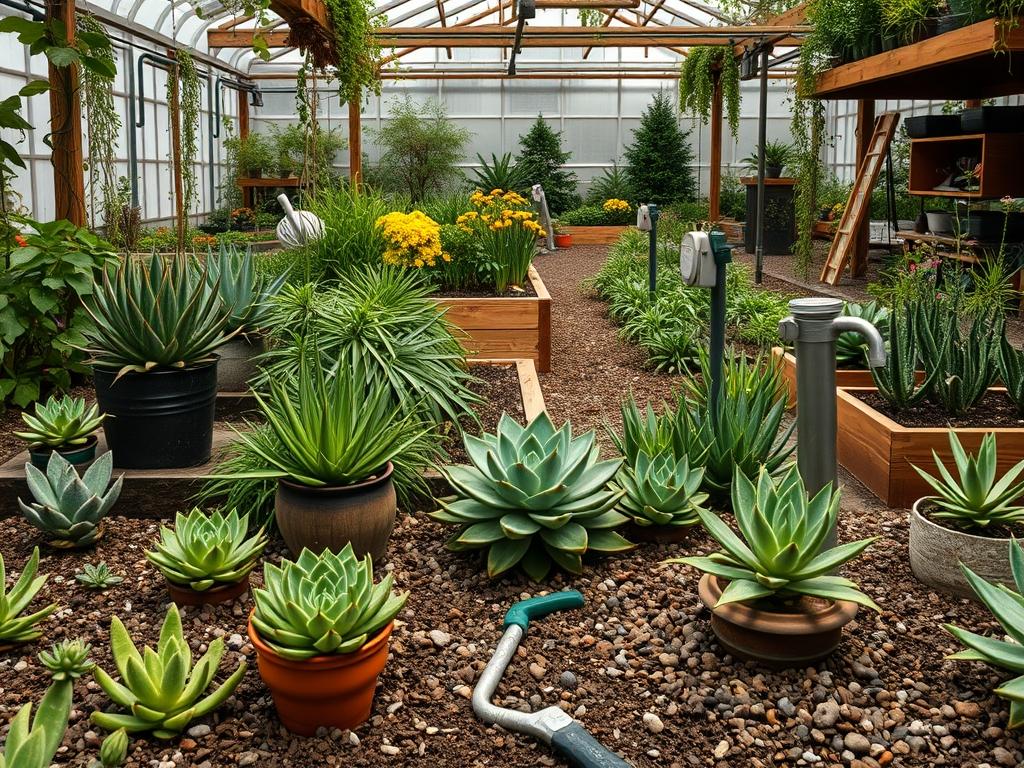
Landscaping with succulents requires a fundamental shift in how we perceive soil management and surface protection. In many arid or semi-arid climates, the traditional use of wood-based mulch can be counterproductive, as it retains excessive moisture near the crown of the plant, often leading to fungal rot. Transitioning to gravel mulch for succulents offers a sophisticated alternative that enhances site drainage while drastically improving the architectural clarity of the garden. Beyond its functional utility, gravel serves as a visual foil, providing a neutral, textured canvas that allows the structural geometry of desert flora to stand out. This approach transforms a standard backyard into a resilient, low-impact environment that maintains high curb appeal through any season. Proper application involves more than just scattering stones; it requires a deep understanding of site grading, mineral composition, and the specific physiological needs of the plant palette.
Landscape Design Principles
When designing a succulent garden, professional landscape architects focus on the interplay between hardscape and softscape to create a balanced environment. Symmetry and visual weight are critical. Large, structural species like Agave americana or Yucca rostrata should be placed as primary focal points, often centered or staged in asymmetrical clusters to guide the eye through the space. Elevation plays a vital role here. By creating raised mounds or berms using a mixture of sandy loam and pumice, you can introduce vertical interest and ensure that water moves away from the root crowns. These elevation changes are then stabilized and highlighted by the application of 2-inch to 4-inch crushed granite or river rock.
Walkways and circulation paths should be integrated into the design to prevent the landscape from looking static. Using a contrasting color of gravel for paths, such as charcoal basalt versus a lighter tan desert gold for the planting beds, provides a clear hierarchy of space. This visual separation defines where the human experience happens versus where the botanical display begins. Irrigation planning must also be discreet. Subsurface drip emitters should be installed prior to the mulch layer to ensure water reaches the roots directly without creating surface pools that could discolor the stone. Visual balance is achieved by matching the scale of the gravel to the size of the plants. Small, delicate Sedum varieties pair well with 1/4-inch pea gravel, whereas massive Barrel Cacti require the ruggedness of larger cobblestones to feel grounded.
Plant and Material Selection
Selecting the right combination of flora and mineral mulch is the cornerstone of a successful rock garden. The following table outlines high-performance species that thrive in gravel-heavy environments.
| Plant Type | Sun Exposure | Soil Needs | Water Demand | Growth Speed | Maintenance Level |
| :— | :— | :— | :— | :— | :— |
| Agave Victoria-reginae | Full Sun | Minimal Organic | Very Low | Slow | Low |
| Echeveria ‘Afterglow’ | Partial Shade | Fast Draining | Low | Medium | Moderate |
| Aloe Striata | Full Sun/Part Shade | Porous/Gritty | Low | Medium | Low |
| Euphorbia Rigida | Full Sun | Sandy/Rocky | Very Low | Fast | Moderate |
| Sempervivum Tectorum | Full Sun | Gritty Mix | Moderate | Medium | Low |
| Crassula Ovata | Part Sun | Loamy/Sandy | Low | Medium | Low |
| Dasylirion Wheeleri | Full Sun | Well Drained | Very Low | Slow | Low |
Implementation Strategy
The successful installation of a succulent garden begins with a clean slate and proper subgrade preparation. First, remove all existing turf and weeds, ensuring you excavate to a depth of at least 3 inches below the desired finish grade. Grading is the most critical step; the site must be sloped at a minimum of 2 percent away from the home’s foundation and toward a drainage swale or French drain. Once the grade is established, install a heavy-duty non-woven geotextile fabric. This material is superior to standard plastic weed barriers because it allows for gas exchange and water infiltration while preventing the gravel from sinking into the soil.
Secure the landscape fabric using 6-inch steel sod staples every 12 inches along the edges. For edging, use 3/16-inch steel edging or aluminum pavers to create crisp, clean lines that contain the gravel. Once the structural elements are in place, position your plants according to the design plan. Cut an “X” into the fabric for each plant, dig a hole twice as wide as the root ball, and backfill with a specialized succulent mix. After planting, hand-spread the gravel mulch at a depth of 2 to 3 inches. Avoid piling gravel directly against the stems of smaller succulents; instead, leave a 1-half inch gap to allow for air circulation. For a professional finish, use a blower to remove any dust or soil from the surface of the stones.
Common Landscaping Failures
One of the most frequent mistakes in rock garden design is the “bathtub effect.” This occurs when a planting hole is dug into heavy clay and filled with light, porous soil without providing an exit for water. The gravel mulch hides the surface, but underneath, the roots are essentially submerged in a bowl of water, leading to rapid decay. To avoid this, ensure the subgrade is just as porous as the top layer. Another failure involves the use of improper stone sizes. If the gravel is too fine, it can pack down and limit oxygen reach to the roots, much like soil compaction. Choose a 3/4-inch angular stone to ensure there are plenty of air gaps between the rocks.
Overcrowding is also a significant issue. Many homeowners fail to account for the mature width of Agave or Euphorbia, leading to a cluttered aesthetic that makes maintenance nearly impossible. Correct spacing allows the gravel mulch to be seen, which is a key part of the design. Irrigation inefficiencies often arise when rotors or spray heads are used in a rock garden. The water hits the stones and evaporates or runs off before it can penetrate the fabric. Always use a dedicated drip irrigation system with pressure-compensating emitters located directly beneath the mulch layer.
Seasonal Maintenance
While gravel-based succulent gardens are low maintenance, they are not zero maintenance. During the spring, focus on cleaning. Debris from trees or wind-blown leaves can settle between the stones, eventually decomposing and creating a substrate for weeds. Use a leaf vacuum or a low-power blower to clear the surface. This is also the time to check for any “settling” of the gravel and top off areas where the geotextile fabric might be showing. In the summer, monitor the thermal mass. Darker stones like lava rock or black basalt can absorb significant heat, which may stress sensitive species like Echeveria. If necessary, provide temporary shade or increase irrigation frequency during extreme heat waves.
Autumn is the season for structural pruning. Trim back any spent flower stalks from Aloes or Yucca using sterile bypass pruners. Check the integrity of your steel edging to ensure it hasn’t shifted during the heat of the summer. As winter approaches, the primary goal is moisture management. Succulents are most vulnerable to frost when their roots are wet. Ensure that any automatic irrigation systems are turned off or significantly reduced. For sensitive plants in colder zones, a layer of frost cloth can be draped over the plants, but should not be left on indefinitely as it can trap moisture against the gravel mulch.
Professional Landscaping FAQ
Is landscape fabric necessary under gravel mulch?
Yes, a high-quality geotextile fabric is essential. It prevents the mineral mulch from mixing with the soil, which maintains the cleanliness of the stone and prevents the gravel from “disappearing” into the ground over time due to foot traffic or rain.
Which gravel size is best for succulent drainage?
For most applications, a 3/4-inch crushed stone is ideal. This size is large enough to allow for excellent air circulation and rapid water infiltration while being small enough to walk on and easy to spread around delicate plant bases.
How do I prevent weeds from growing in the gravel?
While the fabric prevents soil-borne weeds, wind-blown seeds can germinate in the gravel dust. Regular leaf blowing to remove organic debris and occasional spot-treatment with a gentle herbicide or horticultural vinegar will keep the surface clean and weed-free.
Can gravel mulch cause the soil to overheat?
Gravel acts as a thermal mass. In extremely hot climates, light-colored stones like white marble or tan granite are preferable because they reflect sunlight. Darker stones can hold heat longer, which may be beneficial in cooler micro-climates.
How deep should the gravel layer be?
A depth of 2 to 3 inches is the professional standard. Anything thinner may expose the landscape fabric, while anything deeper can make it difficult to walk on and may actually trap too much heat around the root zones of smaller plants.