Sustainable landscape management requires a strategic approach to nutrient cycling and soil health. One of the most significant challenges in maintaining a high end outdoor environment is the continuous need for organic matter to support plant vitality and soil structure. Cardboard and paper products, often relegated to the recycling bin or landfill, represent a premium source of carbon that can be redirected into the landscape. Integrating a professional grade composting system into your site plan reduces waste while providing a consistent supply of “brown” material necessary for the aerobic decomposition process. From a landscaping perspective, this practice addresses soil compaction and moisture retention, ultimately enhancing curb appeal through healthier, more resilient plantings. By understanding the mechanical and biological requirements of composting paper and cardboard, designers and property managers can create a closed-loop system that supports long term ecological goals and reduces the need for synthetic fertilizer applications.
Successful carbon sequestration within a residential or commercial landscape depends largely on environmental context. In arid climates, for instance, processed paper acts as a sponge, holding moisture that would otherwise drain through sandy horizons. Conversely, in regions with heavy clay, the addition of coarse, shredded cardboard introduces necessary air pockets, improving the drainage and gas exchange essential for root respiration. To achieve a polished look, the composting operation must be integrated as a functional utility, hidden by thoughtful screening or strategically placed within the utility zone of the garden layout. This ensures that the aesthetic integrity of the property remains uncompromised while the biological engines of the soil are being fueled.
Landscape Design Principles
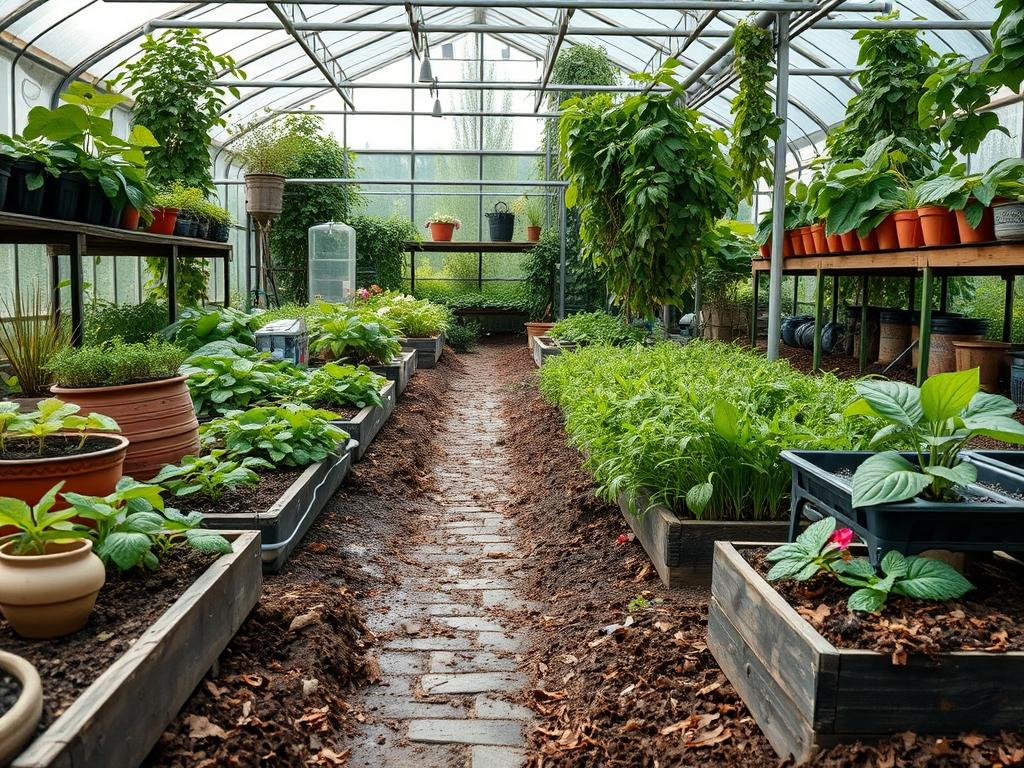
When incorporating a composting system into a landscape design, symmetry and screening are paramount. A structural focal point such as a stone retaining wall or cedar privacy screen can hide the primary composting bins from the visual field of the main living areas. We treat these installations as “Zone 2” or “Zone 3” features, meaning they should be accessible for maintenance but tucked away from formal entries. Proper site selection involves choosing a level area with excellent drainage to prevent the accumulation of leachate, which can cause odors or attract unwanted pests. Ideally, the composting station should be situated on a pad of crushed gravel or permeable pavers to ensure that excess moisture does not pool around the base of the structure.
Modern landscape architecture emphasizes the importance of elevation and layering. By placing the compost processing area at a slightly higher elevation than the secondary potting station, you utilize gravity to assist in the movement of finished material. Walkways leading to the compost area should be at least 36 inches wide to accommodate a standard wheelbarrow or garden cart. Furthermore, irrigation planning should account for the composting area; a dedicated low-flow spray head or a standard hose bib nearby is essential. Cardboard and paper require consistent moisture to break down efficiently. Without a nearby water source, these materials can become hydrophobic, stalling the decomposition process and creating a fire hazard during dry summer months.
Plant and Material Selection
To complement the composting area, it is often necessary to plant screening species that thrive in the nutrient-rich runoff occasionally found near compost zones. The following table provides a guide for selecting plants that either benefit from high-quality compost or serve as excellent visual buffers for the composting infrastructure.
| Plant Type | Sun Exposure | Soil Needs | Water Demand | Growth Speed | Maintenance Level |
| :— | :— | :— | :— | :— | :— |
| Thuja occidentalis | Full Sun to Partial Shade | Moist, Well-Drained | Moderate | Fast | Low |
| Hydrangea macrophylla | Partial Shade | Humus-Rich, Moist | High | Medium | Moderate |
| Sambucus nigra | Full Sun to Partial | Adaptable/Tolerant | Moderate | Fast | Moderate |
| Miscanthus sinensis | Full Sun | Well-Drained | Low to Moderate | Fast | Very Low |
| Ilex x meserveae | Full Sun to Partial | Slightly Acidic | Moderate | Slow | Low |
Using the right materials for the composting process itself is just as critical as the plants surrounding it. Not all paper is suitable for the landscape. We prioritize corrugated cardboard with the tape and staples removed, newsprint using soy based inks, and shredded office paper. Avoid gloss-coated papers or heavy pigments, as these can introduce heavy metals or microplastics into your garden beds. When these high carbon materials are balanced with nitrogen rich “greens” like fresh grass clippings or vegetative waste, the resulting humus becomes a potent amendment for the entire landscape.
Implementation Strategy
The first step in a professional composting layout is site preparation. Clearing the area of existing turf and leveling the grade ensures that the bins sit flush. We recommend a three bin system, allowing for one bin to be filled, one to be actively decomposing, and one to be ready for harvest. For effective paper and cardboard integration, the material must be processed. Use a heavy duty shredder or a utility knife to break the cardboard down into pieces no larger than 2 to 4 inches. Fine shredding increases the surface area for microbial colonization, which significantly accelerates the timeline for soil creation.
Begin the pile with a “brown” base layer of shredded cardboard approximately 6 inches deep. This layer provides essential aeration at the bottom of the pile. Follow this with a 3 inch layer of nitrogen rich material. As you build the layers, use a garden hose to dampen the paper products until they reach the consistency of a wrung out sponge. This moisture is the catalyst for the bacteria and fungi that perform the heavy lifting. To maintain a professional appearance and promote airflow, use a pitchfork or a specialized compost turner to agitate the pile once every two weeks. If the pile becomes too compressed, the cardboard can mat together, creating anaerobic pockets that slow the process and produce foul odors.
Hardscaping around the compost area should include a clear “drop zone” for incoming cardboard. This prevents the area from looking cluttered. A simple bench or tool rack nearby allows the gardener to keep all necessary supplies, such as pruning shears and leather work gloves, within reach. By treating the compost site with the same design rigor as a patio or walkway, you elevate the utility from a chore to a seamless part of the outdoor environment.
Common Landscaping Failures
One of the most frequent mistakes in landscape scale composting is poor drainage management. If the compost bin is placed in a low spot on the property, it will act as a collection point for runoff. This leads to waterlogged cardboard, which turns into a dense, smelly slurry rather than crumbly soil. Another failure is improper carbon-to-nitrogen ratios. A pile with too much paper and cardboard will be too “cool” to decompose quickly, while too much nitrogen will lead to ammonia off-gassing. Aim for a ratio of approximately 30 parts carbon to 1 part nitrogen.
Root overcrowding is another concern when bins are placed too close to large trees. Species like Acer saccharum (Sugar Maple) have opportunistic root systems that will quickly grow upward into a nutrient-rich compost pile, making it nearly impossible to turn or harvest. We suggest a minimum setback of 10 to 15 feet from the drip line of established trees. Additionally, soil compaction in the surrounding area can occur if the maintenance path is not properly reinforced. Using a 4 inch layer of wood chips or decomposed granite on the access path will protect the soil structure and prevent the area from becoming a muddy eyesore.
Seasonal Maintenance
Landscape management is a year round commitment, and the composting of paper and cardboard is no exception. In the Spring, focus on harvesting the finished compost from the previous year. This high quality humus should be applied as a 1 to 2 inch top dress to garden beds before the primary mulch layer is added. This is also the time to clear any debris that accumulated over winter. As the Summer heat arrives, moisture becomes the priority. Use a digital moisture meter to ensure the core of the pile stays between 40% and 60% saturation. If the cardboard dries out, the decomposition will stop entirely.
During the Autumn, the volume of available “green” material decreases. This is the ideal time to stockpile shredded cardboard for use during the winter months. By keeping several large storage bins of dry, shredded paper under a porch or in a garage, you will have the necessary carbon source to balance out the nitrogen rich kitchen scraps created during the holidays. In Winter, decomposition slows down significantly. To keep the pile active, increase the pile size to at least 3 feet by 3 feet by 3 feet, which helps the core retain heat. Insulating the pile with a layer of straw or a heavy tarp can also help maintain the internal temperature during freezing spells.
Professional Landscaping FAQ
Can I compost cardboard that has shiny printing on it?
Most modern glossy cardboard uses water-based coatings, but it is best to avoid heavy wax-coated boxes. Wax prevents moisture from entering the fibers, which significantly slows down the process. Always remove any plastic shipping tape or heavy duty staples before shredding.
How long does it take for cardboard to turn into soil?
In a well-managed pile with the correct moisture and nitrogen levels, shredded cardboard will break down in 3 to 4 months. Larger pieces or unshredded boxes can take over a year to fully decompose in the landscape.
Will paper and cardboard attract rodents to my garden?
Cardboard itself is not a food source for rodents, but it provides excellent nesting material. To prevent this, ensure your compost pile stays moist and is turned regularly. Disturbing the pile every two weeks discourages pests from settling in.
Should I use a specific type of shredder for cardboard?
A standard office shredder will struggle with heavy cardboard. For professional results, use a 12-sheet cross-cut shredder or a manual rotary cutter. For large estates, a chipper-shredder can process whole boxes into uniform flakes for rapid decomposition.
Can I use shredded paper as a surface mulch?
Yes, though it is aesthetically different from bark mulch. Shredded paper can be used as a “sheet mulch” layer under a heavier 2 inch layer of wood chips. This creates a powerful weed barrier and improves carbon levels as it breaks down.