
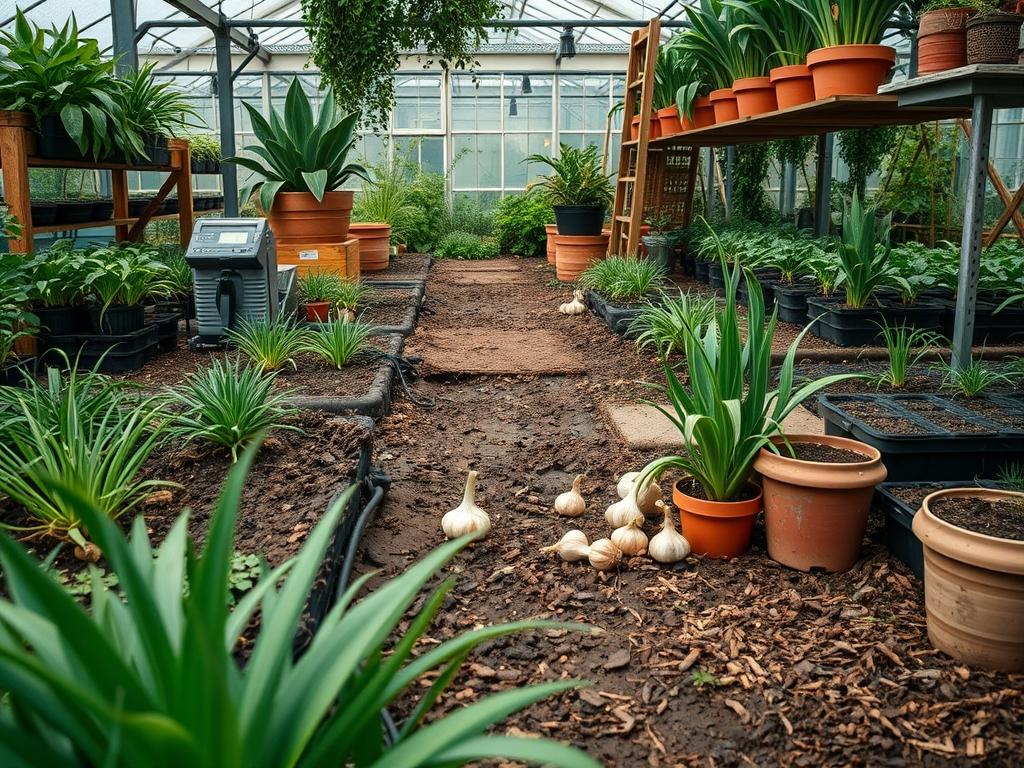
Cultivating a high performance landscape requires a deep understanding of soil mechanics and site architecture, especially when the goal is a specialized harvest like premium garlic. Integrating vegetable production into a professional landscape design involves more than just digging a hole; it requires a strategic approach to soil health, drainage, and spatial aesthetics. The best soil for garlic is the foundation of this endeavor. Garlic is a long season crop, often occupying a prominent space in the garden for nine months out of the year. Therefore, its placement must enhance the overall curb appeal of the property while serving its functional purpose. A well designed garlic bed acts as a structural element in the garden, providing green texture during the winter and a tidy, organized appearance throughout the spring. When we plan these spaces, we consider the elevation, the surrounding hardscaping, and the irrigation requirements to ensure the crop thrives without compromising the beauty of the outdoor living environment.
Architectural gardening focuses on creating a balance between utility and visual interest. For garlic, this means selecting a site that offers maximum sun exposure while fitting into the broader geometric lines of the property layout. We often utilize raised beds constructed from Cedar or Stone to define the growing area. These structures provide essential elevation, which is the primary factor in managing drainage. In a landscape context, garlic serves as a transitional plant. Its upright, linear foliage contrasts beautifully with the softer, rounded shapes of native shrubs or the low profile of groundcovers. By treating the soil as a living component of the infrastructure, we can achieve bulbs that are not only large and healthy but also structurally sound for long term storage.
Landscape Design Principles
Symmetry and focal points are the cornerstones of a sophisticated garden layout. When incorporating garlic beds, we look for ways to repeat patterns that guide the eye toward a central feature, such as a water fountain or a bespoke seating area. Linear rows of Hardneck Garlic provide a rhythmic quality that mimics formal boxwood hedging but with the added benefit of a seasonal yield. Elevation layers are equally important. By varying the height of planting zones using Retaining Walls, we can create microclimates that favor garlic growth. Higher elevations typically offer better drainage, preventing the saturated conditions that lead to bulb decay.
Irrigation planning must be invisible yet efficient. For large scale landscapes, we integrate Drip Irrigation systems beneath a layer of Wood Chips or Straw to provide consistent moisture without affecting the visual cleanliness of the garden. Walkways should be planned to allow easy access for maintenance without compacting the surrounding soil. Using materials like Decomposed Granite or Flagstone for paths ensures that the area remains functional even during the wet winter months. Visual balance is achieved by pairing the rigid structure of garlic with companion plants that fill the space once the harvest is complete in mid summer, ensuring the landscape never looks barren.
Plant and Material Selection
Selecting the right materials for the soil substrate is critical for achieving professional results. Garlic requires a soil that is friable, meaning it crumbles easily and allows the bulbs to expand without resistance. We recommend a blend that prioritizes organic matter while maintaining a gritty texture for drainage.
| Plant Type | Sun Exposure | Soil Needs | Water Demand | Growth Speed | Maintenance Level |
| :— | :— | :— | :— | :— | :— |
| Hardneck Garlic | Full Sun | Sandy Loam | Moderate | Slow | Medium |
| Softneck Garlic | Full Sun | Rich Silt | Moderate | Slow | Low |
| Elephant Garlic | Full Sun | Loose Organic | Moderate | Slow | Medium |
| Shallots | Full Sun | Well-Drained Loam | Low | Fast | Medium |
| Creole Garlic | Full Sun | Clay Loam | Moderate | Slow | High |
The best soil for garlic typically consists of a mix of One-Third Compost, One-Third Peat Moss, and One-Third Coarse Sand. This ratio provides the nutrients required for heavy feeding while ensuring that excess water exits the root zone quickly. We also incorporate Bone Meal and Blood Meal to support root development and leaf growth during the critical spring period.
Implementation Strategy
The transition from a design on paper to a physical garden bed requires precise execution. First, we address the grading of the site. The ground must be sloped away from the garlic beds at a Two Percent Grade to prevent water from pooling at the base. Once the site is leveled, we install edging made of Steel or Pressure-Treated Lumber to keep the specialized soil mixture contained and to prevent the encroachment of lawn grasses.
The soil should be prepared to a depth of 12 inches. Use a Broadfork to aerate the subsoil before adding the amended mixture; this prevents the creation of a hardpan layer that blocks root penetration. When planting, each clove should be placed 4 inches deep and spaced 6 inches apart in a staggered grid pattern to maximize sun exposure for each individual plant. After planting, a layer of 3 inches of Wheat Straw or Shredded Leaves is applied as mulch. This protects the soil structure from heavy rain, suppresses weeds, and maintains a consistent temperature throughout the winter. Hardscaping elements, such as Solar Path Lights or Decorative Finials at the corners of the beds, can be added to define the space and provide evening interest.
Common Landscaping Failures
One of the most frequent mistakes in garden planning is failing to account for soil compaction. In high traffic areas, the weight of footfall crushes the pore spaces in the soil, preventing oxygen from reaching the garlic roots. This leads to stunted growth and small bulbs. Another common failure is improper drainage. If a garlic bed is located at the bottom of a slope without a French Drain, the soil will become anaerobic, causing the cloves to rot before they can sprout.
Improper spacing is another issue that affects both health and aesthetics. Crowded plants compete for Nitrogen and light, leading to a ragged, uneven appearance in the beds. Furthermore, using the wrong mulch can be detrimental. Heavy, matted materials like un-shredded bark can trap too much moisture against the neck of the garlic plant, encouraging fungal diseases. Finally, irrigation inefficiencies, such as over-watering in the late stages of growth, will ruin a crop. Garlic requires a dry period in the final Two Weeks before harvest to allow the outer skins to cure properly.
Seasonal Maintenance
Maintaining a professional landscape requires a calendar based approach to management. In the spring, the focus is on nutrient delivery. As soon as the green shoots reach 4 inches in height, we apply a Liquid Seaweed Fertilizer to stimulate photosynthesis. We also check the depth of the mulch and replenish it if it has decomposed, ensuring the soil remains cool as the sun gets hotter.
Summer maintenance involves managing the transition. For Hardneck Garlic, the Scapes, or flower stalks, must be removed in early June to redirect energy back into the bulb. Once the lower leaves begin to turn brown in July, irrigation should be stopped completely. After the harvest, the bed should be immediately replanted with a fast growing cover crop or a decorative summer annual like Zinnias to maintain the garden’s visual appeal. In autumn, the cycle begins again with soil testing using a pH Meter to ensure the levels are between 6.0 and 7.0. Winter maintenance is minimal, primarily involving the monitoring of the beds for any signs of frost heaving, where the freezing and thawing of the ground pushes the cloves out of the soil.
Professional Landscaping FAQ
What is the ideal soil pH for large garlic bulbs?
The best soil for garlic should maintain a pH between 6.0 and 7.0. This range ensures that essential minerals like Nitrogen and Phosphorus are chemically available to the roots. Use Lime to raise pH or Sulfur to lower it.
How do I improve drainage in heavy clay soil?
To improve heavy clay for garlic, incorporate large amounts of Organic Matter and Coarse Sand. Creating Raised Beds at least 8 inches high is the most effective way to ensure excess water drains away from the bulb zone.
Can I grow garlic in containers for smaller landscapes?
Yes, garlic thrives in large containers if the drainage is sufficient. Use a high quality Potting Mix amended with Perlite and ensure the pot is at least 12 inches deep to allow for full root development and bulb expansion.
When is the best time to apply fertilizer?
Apply a balanced Granular Fertilizer at the time of planting in the fall. Follow this with a high Nitrogen side-dressing in early spring when the first green shoots appear. Stop all fertilization once the Scapes begin to curl.
How does mulch affect garlic growth?
Mulch is essential for regulating soil temperature and moisture. A 4 inch layer of Clean Straw prevents the ground from freezing too deeply in winter and keeps the soil cool and moist during the rapid growth phase of spring.