
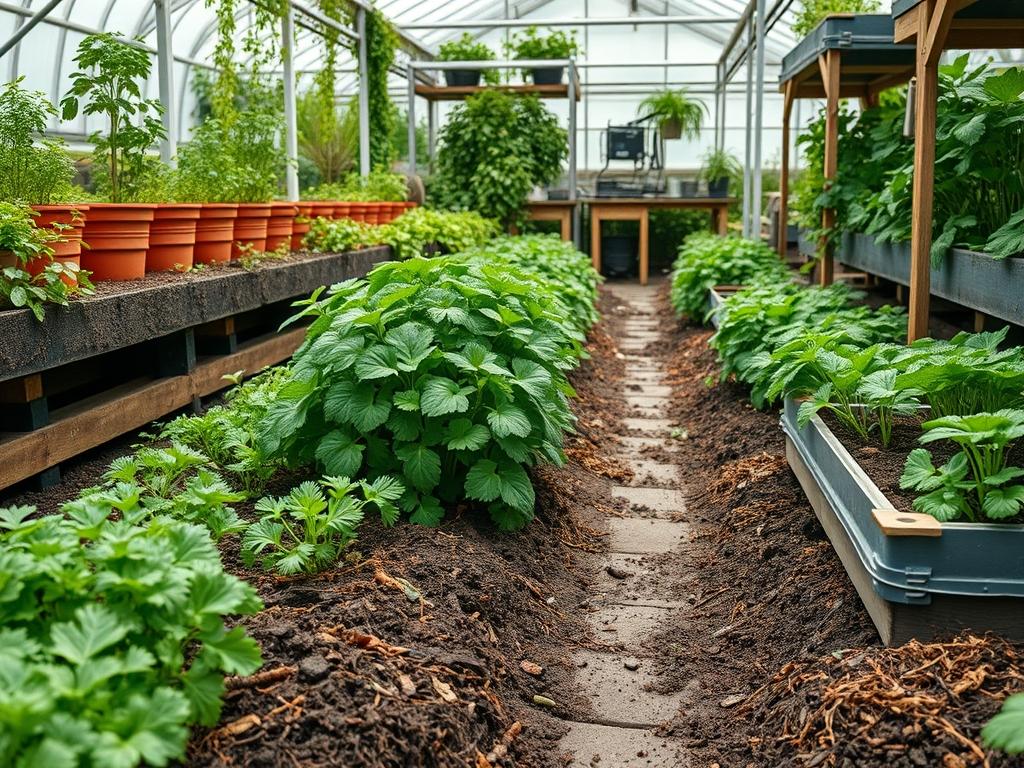
Integrating culinary herbs into a professional landscape requires more than just a dedicated corner in a backyard. It demands a sophisticated understanding of botanical structural needs and aesthetic harmony. When we design edible landscapes, we treat the plant not just as a crop, but as a textural element that contributes to the overall curb appeal and functionality of the outdoor environment. Parsley, particularly the vibrant Petroselinum crispum, offers a lush, ruffled texture that serves as an excellent low-growing border or filler. However, the success of this plant hinges entirely on the subterranean environment. The best soil for parsley must accommodate its unique taproot system, which can extend significantly deeper than most amateur gardeners realize. To achieve a professional-grade finish, the landscape must allow for deep root penetration while maintaining high levels of nutrient availability and moisture regulation.
Designing for deep-rooted herbs involves a commitment to site preparation that goes beyond the surface level. In high-end residential landscaping, we look at parsley as a biennial that provides lush greenery through multiple seasons. This requires a soil profile that remains aerated and fertile over a two-year cycle. When the soil is too compact or heavy with clay, the taproot becomes stunted, leading to a diminished canopy and yellowing foliage that detracts from the garden’s visual balance. Optimal growth occurs when the soil is a well-draining, loamy mixture enriched with high-quality organic matter. By prioritizing the structural integrity of the root zone, we ensure that the landscape retains its lushness even during the peak heat of summer, providing both functional harvests and a consistent emerald hue for the property’s exterior.
Landscape Design Principles
A successful landscape design incorporates parsley through the lens of symmetry and elevation layering. We often use parsley as a “living mulch” or a soft edge for flagstone walkways and raised masonry beds. Because it maintains a compact mound, it functions beautifully as a transitional layer between low-growing groundcovers and taller woody perennials like Lavender or Rosemary. Architects use these layers to guide the eye toward a focal point, such as a water feature or a bespoke seating area.
Elevation plays a critical role in drainage planning. We frequently install parsley in slightly elevated tiers or within retaining walls to ensure that water never stagnates around the crown of the plant. This approach prevents root rot while taking advantage of natural gravity to move moisture through the soil column. Symmetry is achieved by repeating parsley clusters at regular intervals along a path, creating a sense of rhythm and intentionality. Additionally, irrigation planning must account for the parsley’s need for consistent moisture without saturation. We recommend drip irrigation systems with emitters placed 4 inches from the base of the plant to deliver water directly to the root zone, minimizing evaporation and foliar disease.
Plant and Material Selection
| Plant Type | Sun Exposure | Soil Needs | Water Demand | Growth Speed | Maintenance Level |
| :— | :— | :— | :— | :— | :— |
| Italian Flat Leaf Parsley | Full Sun to Partial Shade | Loamy, pH 6.0 to 7.0 | Moderate / Consistent | Medium | Low |
| Curly Leaf Parsley | Full Sun to Partial Shade | Rich, well-draining | Moderate | Medium | Low |
| Sweet Basil | Full Sun | Rich, warm, organic | High | Fast | Moderate |
| English Thyme | Full Sun | Gritty, sandy loam | Low | Slow | Low |
| Garden Sage | Full Sun | Well-drained, sandy | Low | Medium | Low |
| Coarse River Sand | N/A | Soil amendment | N/A | N/A | N/A |
| Organic Compost | N/A | Nutrient booster | N/A | N/A | N/A |
Implementation Strategy
The process begins with precise site grading. For the best soil for parsley, the area must be cleared of existing turf and weeds to a depth of at least 12 inches. This depth is vital because the taproot requires an unobstructed path to stabilize the plant and access deep-seated moisture. If the existing site has heavy clay, we excavate the area and backfill with a custom soil blend consisting of 60 percent sandy loam, 30 percent aged leaf mold or compost, and 10 percent perlite or coarse sand to ensure maximum porosity.
Once the soil is prepped, we move to edging and hardscaping. Professional steel edging or tumbled stone borders create a crisp line that prevents invasive grasses from creeping into the herb beds. After the parsley is installed, usually spaced 8 to 12 inches apart, a layer of hardwood mulch or pine bark fines is applied at a depth of 2 inches. This mulch serves three purposes: it regulates soil temperature, suppresses weed germination, and breaks down over time to further enrich the soil. For properties with steep slopes, we incorporate parsley into terraced cedar planters to prevent soil erosion and provide the vertical depth required for healthy root expansion.
Common Landscaping Failures
Failure in parsley cultivation often stems from a lack of attention to soil compaction. When contractors or homeowners use heavy machinery near planting beds, the soil structure is crushed, eliminating the macro-pores necessary for oxygen exchange. This leads to anaerobic conditions that kill the deep taproot. Another frequent mistake is the use of cheap potting mixes in large landscape installations. These mixes often contain high ratios of peat moss, which can become hydrophobic if they dry out, making it nearly impossible to re-hydrate the root ball effectively.
Irrigation inefficiency is another silent killer. Over-watering in poorly drained soil leads to “damping off” in younger plants and crown rot in established ones. Conversely, shallow watering encourages the roots to stay near the surface, leaving them vulnerable to the drying effects of the sun. We also see many designs where root overcrowding occurs because the architect failed to account for the mature width of companion plants. When parsley is squeezed between aggressive spreaders, it loses the battle for nutrients and light, resulting in a leggy and unattractive appearance that ruins the landscape’s visual balance.
Seasonal Maintenance
Spring management begins with soil testing to ensure the pH remains between 6.0 and 7.0. We apply a balanced, slow-release organic fertilizer at the first sign of new growth. As the temperatures rise in summer, the focus shifts to moisture management. We check the drip lines for clogs and ensure the 2-inch mulch layer is intact. If the parsley begins to “bolt” or send up a flower stalk during a heatwave, we prune it back immediately to redirect energy into foliage production.
In autumn, the landscape professional should assess the vigor of the plants. Parsley is quite cold-hardy and can often survive light frosts, providing green interest when other perennials have gone dormant. We may add a supplemental thin layer of compost to provide a slow nutrient release through the winter. During the winter months, maintenance is minimal, but in regions with harsh freezes, a heavier application of straw mulch can protect the crown. This ensures that the plant returns with vigor in its second year, providing early spring texture before the rest of the garden wakes up.
Professional Landscaping FAQ
What is the ideal pH for the best soil for parsley?
Parsley thrives in a slightly acidic to neutral environment. Aim for a pH range between 6.0 and 7.0. If the soil is too alkaline, sulfur can be added; if it is too acidic, pelletized lime will balance it.
How deep should I till the soil for parsley roots?
Because parsley generates a significant taproot, you should prepare the soil to a depth of at least 12 inches. Deep tillage or double-digging ensures that the root can grow straight down without hitting compacted subsoil layers.
Can I grow parsley in containers within a landscape?
Yes, but the container must be at least 10 to 12 inches deep. Use a high-quality soilless potting mix amended with extra compost. Ensure the pot has a large drainage hole to prevent water from pooling at the bottom.
How often should I fertilize my landscape parsley?
Apply a high-nitrogen liquid seaweed or fish emulsion every 4 to 6 weeks during the growing season. This supports the rapid leaf production required for both culinary use and maintaining a lush, green appearance in your garden beds.
What are the best companion plants for parsley in a formal garden?
Parsley pairs exceptionally well with Alliums, Roses, and Asparagus. From an aesthetic standpoint, its fine texture contrasts beautifully with the broad leaves of Hostas or the structural spikes of Iris in partially shaded landscape borders.